Honolulu Museum Taps David Odo as Director, Continuing a Pacific Pivot in American Curation
The Honolulu Museum of Art has appointed David Odo, currently director and chief curator at the Georgia Museum of Art, as its next director — a move that signals how mid-sized American museums are reframing the Pacific as central rather than peripheral.
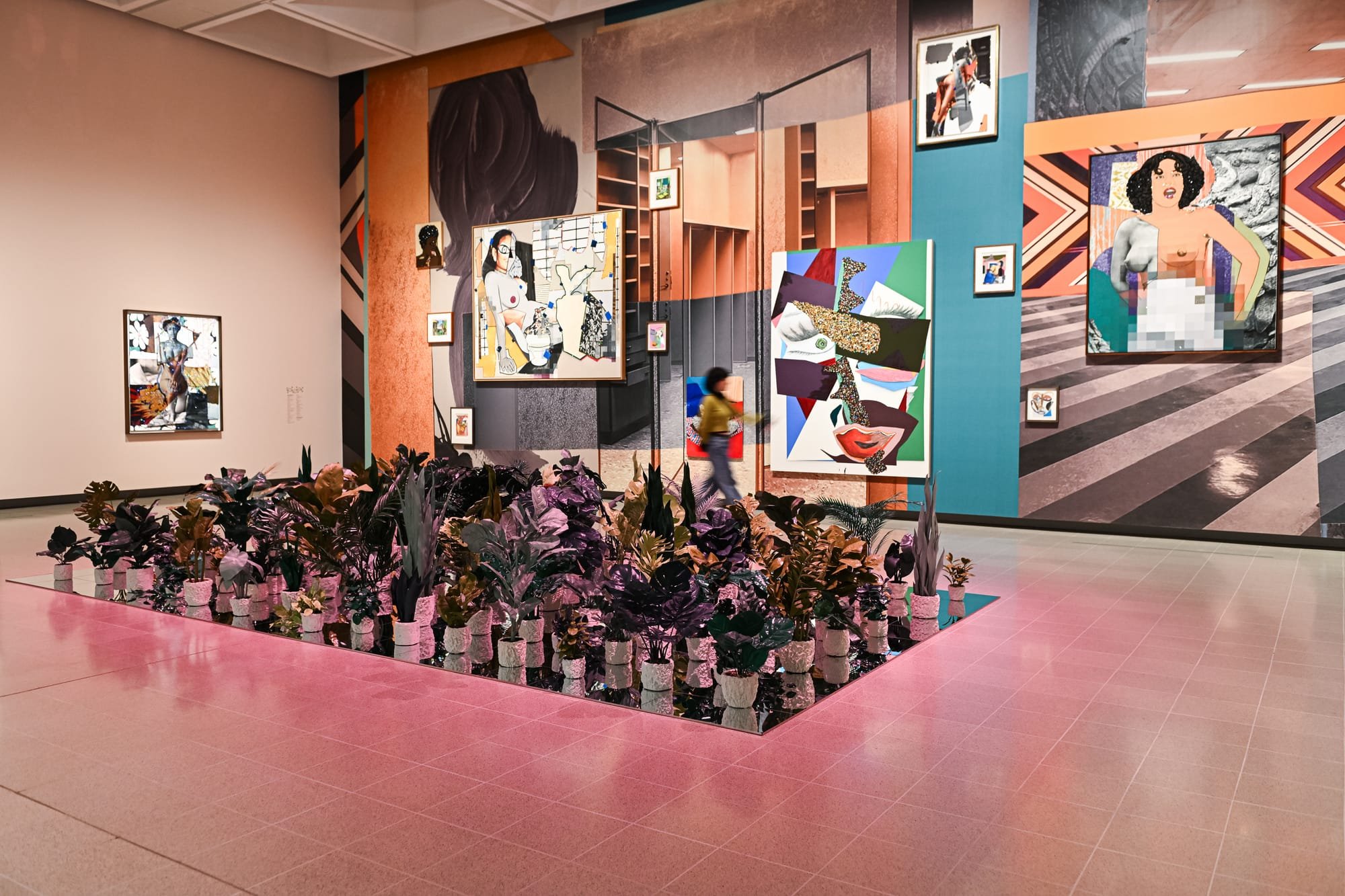
On 9 July 2026 the Honolulu Museum of Art announced that David Odo, currently director and chief curator of the Georgia Museum of Art in Athens, will become its next director, succeeding interim leadership that has steered the institution since the previous director's departure. The hire, first reported by ARTnews, closes a months-long national search and repositions one of Hawaii's signature cultural institutions at a moment when American museums are quietly recalibrating which stories they consider central to the national story.
The choice is less about Odo's Georgia tenure than about what he represents to a Honolulu board confronting a specific demographic and strategic reality: Hawaii sits at the crossroads of Asia and the Pacific, and its flagship art museum has long struggled to translate that geography into programming, hires, and donor expectations that match the islands' lived centrality. Odo's research background — rooted in the visual culture of migration, diaspora, and Asian American and Pacific Islander experience — points toward an institution that intends to take its location seriously.
A directorate that reads the room
Odo arrives at a museum that bears the burden of a complicated legacy. Founded in 1927 as the Honolulu Academy of Arts, the institution rebranded as the Honolulu Museum of Art in 2011 after a strategic-review process that touched on how the institution framed itself to a state population in which Native Hawaiian, Asian American, and Pacific Islander communities constitute the demographic majority. The intervening years have brought the museum recurring debates about repatriation, the exhibition of Pacific material culture, and how aggressively to programme contemporary work rather than its celebrated holdings of East Asian and Pan-Asian painting. A director with Odo's profile addresses several of those debates at once.
His appointment also lands inside a wider leadership migration in American museums. Mid-sized regional institutions — the Georgia Museum of Art among them — have become unexpected talent pools for flagship posts, as trustees have grown wary of marquee-name hires untested in the unglamorous work of collection care, capital projects, and community accountability. Odo's dual title at Georgia, where he serves as both director and chief curator, suggests a portfolio of institutional management that should transfer cleanly to Honolulu's roughly 70,000-object permanent collection and its 280,000-square-foot main campus.
The counter-read: scale, budget, and the donor map
A more sceptical reading is warranted. The Honolulu Museum of Art's operating budget is a fraction of those commanded by East Coast peers, and Odo's Georgia operation, while respected, ran on a similarly regional scale. The generous interpretation is that Odo is a builder comfortable with the realities of mid-budget institutions; the less generous one is that the search process narrowed prematurely to candidates whose ambitions and budgets are calibrated to comparable institutions rather than to Honolulu's potential catchment — which includes Asia-Pacific tourism, a wealthy Honolulu philanthropic base, and federal cultural-fellowship pipelines that Hawaii has historically underused.
There is also a question of timing. The Georgia Museum of Art's announcement of Odo's impending departure will trigger its own succession process during a leadership cycle in which smaller American museums are watching endowment drawdowns and uneven post-pandemic attendance recovery. Boards in Athens and Honolulu will both spend the next eighteen months managing transitions, which compresses the bandwidth available for the collection and capital planning that ultimately determine whether a directorship is judged successful.
What the move signals structurally
The pattern underneath the announcement is institutional: American museums have spent three decades treating the Pacific as an outbound-curiosity zone — a place to source exhibitions of Asian art, Oceanic material, or contemporary Pacific practice for display on the mainland — rather than as a site of curatorial authority in its own right. Honolulu's flagship museum, ideally situated to invert that pattern, has only intermittently done so. Odo's profile, his prior work on migration and diaspora, and the explicit framing of the Georgia Museum of Art as a teaching institution attached to the University of Georgia all suggest a director likely to push Honolulu further toward programming that treats the Pacific as a centre of gravity rather than as an exhibition subject.
This is a slow shift rather than a sudden one. Museums change in decade-long arcs, and a directorship is a single instrument. But the choice of a director with Odo's scholarly orientation, in a city where roughly half the resident population identifies as Asian or Pacific Islander, is a structural tell about how the institution reads its public and its mandate going forward.
Stakes for Honolulu, and what remains uncertain
The clearest stakes sit with three constituencies. Local artists and curators gain a board-aligned leadership more likely to commission and exhibit contemporary Pacific work; donors and trustees gain an administrator accustomed to capital campaigns in capital-constrained contexts; and the museum's existing curatorial and conservation staff gain a director whose own scholarship emphasises community-facing practice. Each of those outcomes is plausible rather than guaranteed; the test will be the first eighteen months of programming and exhibition announcements once Odo formally takes the role.
What the public reporting does not yet establish is the exact date of Odo's formal start, the composition of any leadership team he will bring from Georgia, and whether the Honolulu board has signalled priorities on pending questions including collection repatriation and the possible renegotiation of long-running loans of Hawaiian material held by peer institutions on the mainland. The ARTnews announcement frames the appointment; the operational specifics will emerge from the institution itself in the coming weeks. Until then, the hire reads as a confident directional bet by a museum that has decided where it would like to sit — and on whose terms.
Monexus treats this hire as a governance story, not as a profile piece: the announcement matters less for who Odo is than for what his profile signals about how a flagship Pacific institution is choosing to read its public in 2026.
Wire provenance
This editorial synthesis draws on the following public wire/social posts:
- https://en.wikipedia.org/wiki/Honolulu_Museum_of_Art
- https://en.wikipedia.org/wiki/Georgia_Museum_of_Art
- https://en.wikipedia.org/wiki/David_Odo