U.S. denies role in reported explosions across southern Iran as Geneva accord looms
Within hours of reported blasts in southern Iran, U.S. officials told Axios they had nothing to do with them. The denial landed the same day a U.S.–Iran peace accord was set to be signed in Geneva.
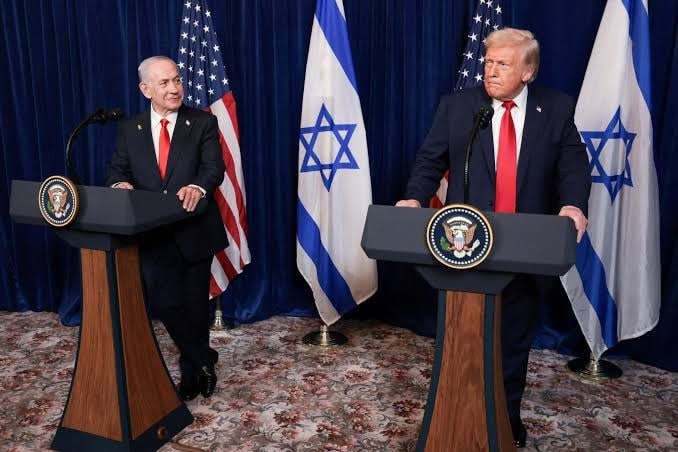
At 18:48 UTC on 9 July 2026, the Middle East Spectator channel reported several explosions heard in southern Iran, with the U.S. already denying responsibility to Axios. Within minutes, the Intelslava channel described the U.S. denial as "very weird," and the GeoPWatch channel echoed the same Axios reporting. By 20:02 UTC, Middle East Eye's live blog noted that the U.S. was "reportedly not conducting strikes on Iran," while simultaneously flagging a separate, confirmed piece of business: a U.S.–Iran peace accord due to be signed in Geneva on Friday. In other words, the same evening carried two contradictory signals from Washington — kinetic action in the Gulf, and a diplomatic ceremony in Europe — and the U.S. was publicly scrambling to keep the two stories from collapsing into one.
The pattern matters more than any single explosion. For two decades, U.S. denials of covert action against Iran have tended to arrive in exactly this format: rapid, on-the-record to a friendly outlet, and structurally implausible to anyone tracking regional basing, overflight permissions, and munitions supply chains. The question for readers is not whether to believe the denial, but what work the denial is doing — and whether the Geneva signing can survive it.
What the sources actually say
The reporting chain is thin but consistent. Middle East Spectator's 18:48 UTC post cites Axios as the U.S. denial's venue. Intelslava's 18:49 UTC post adds CNN to the same denial, framing it as unusual. GeoPWatch's 19:03 UTC post repeats the Axios framing without elaboration. Middle East Eye's 20:02 UTC live blog ties the strikes rumour directly to a separate forthcoming Geneva ceremony, and is the only one of the four items to put the diplomatic track and the kinetic track in the same paragraph.
Two things follow. First, the denials are sourced to U.S. officials speaking to U.S. and Western outlets — Axios and CNN — not to the U.S. State Department or the Pentagon on the record. That is the standard architecture of a non-denial denial: friendly journalists, attribution to anonymous officials, no institutional press conference. Second, no Iranian state source in this thread confirms or denies the strikes themselves; the reporting is purely about the U.S. side's reaction, which means the Iranian frame is, for now, missing.
The diplomatic counterweight
The Geneva accord is the harder fact. Middle East Eye's live blog describes a peace-accord signing set for Friday in Geneva — a specific city, a specific day of the week, and a ceremony rather than a framework. If that ceremony proceeds, the explosions in southern Iran become either an unrelated third-party action or an episode the two governments have agreed to bracket. If it does not, the denial collapses into evidence of bad faith before the ink is dry.
The structural read is straightforward: Washington wants the Geneva track and the Iran-pressure track to remain separable in the public mind. Strikes conducted by Israel or a Gulf partner with U.S. logistical backing would be easy for Tehran to attribute to Washington even if American fingers did not pull the trigger. A denial that arrives within an hour of the blasts is designed to establish a paper trail before the attribution battle hardens.
Why the denial rings hollow
Three independent factors make the denial hard to credit at face value. The timing is too tight: a one-hour gap between explosions in southern Iran and a U.S. on-record denial implies either pre-positioned comms or prior knowledge of the operation's launch. The geography is awkward: southern Iran sits across the Gulf from U.S. Central Command's primary staging areas, and any strike there requires either overflight, refuelling, or stand-off munitions supply chains that do not run on autopilot. And the diplomatic calendar is hostile: signing a peace accord hours after kinetic action against the same counter-party is not how confident governments behave.
The plausible alternative read is that the operation was Israeli, possibly with Saudi logistical cooperation, and that Washington was warned but did not order. That reading is consistent with both the denial and the Geneva track — and is, in fact, the reading most favourable to U.S. credibility. It is also a reading the U.S. has strong incentives to encourage. Whether that is what actually happened, the source material cannot tell us.
Stakes and what to watch
If Geneva holds, the denials become a footnote. If Geneva collapses and the explosions are confirmed as U.S.-backed, the diplomatic architecture of the past several months unravels in a single news cycle, and Tehran's leverage inside any future negotiation jumps. Either way, the Iranian frame will matter most. None of the four thread items carry Iranian state-media confirmation of the strikes' origin, and that absence is itself a signal: Tehran is choosing, for now, to let Washington explain itself.
The watch items through Friday are narrow. Did the Geneva ceremony occur, and on whose terms. Did Iranian state media name a perpetrator, or continue to leave the question open. And did any of the regional outlets cited above — Middle East Eye, Axios via its reporter, the Telegram channels that aggregated the denial — publish a follow-up that tightens or loosens the attribution. Until then, the cleanest description of 9 July 2026 is also the most uncomfortable one: a peace accord scheduled, explosions reported, and a denial already on the record before the dust settled.
Desk note: Monexus framed the denial against the simultaneous Geneva track rather than treating the explosions in isolation, on the view that the diplomatic context is the only thing that explains why the denial was issued this fast.
Wire provenance
This editorial synthesis draws on the following public wire/social posts:
- https://t.me/GeoPWatch
- https://t.me/intelslava
- https://t.me/Middle_East_Spectator