World Cup 2026 quarterfinals arrive, and the NFL crossover question refuses to die
With the last eight set, ESPN's tournament-defining players meet CBS Sports' perennial debate about which American football stars could plausibly wear the U.S. shirt.
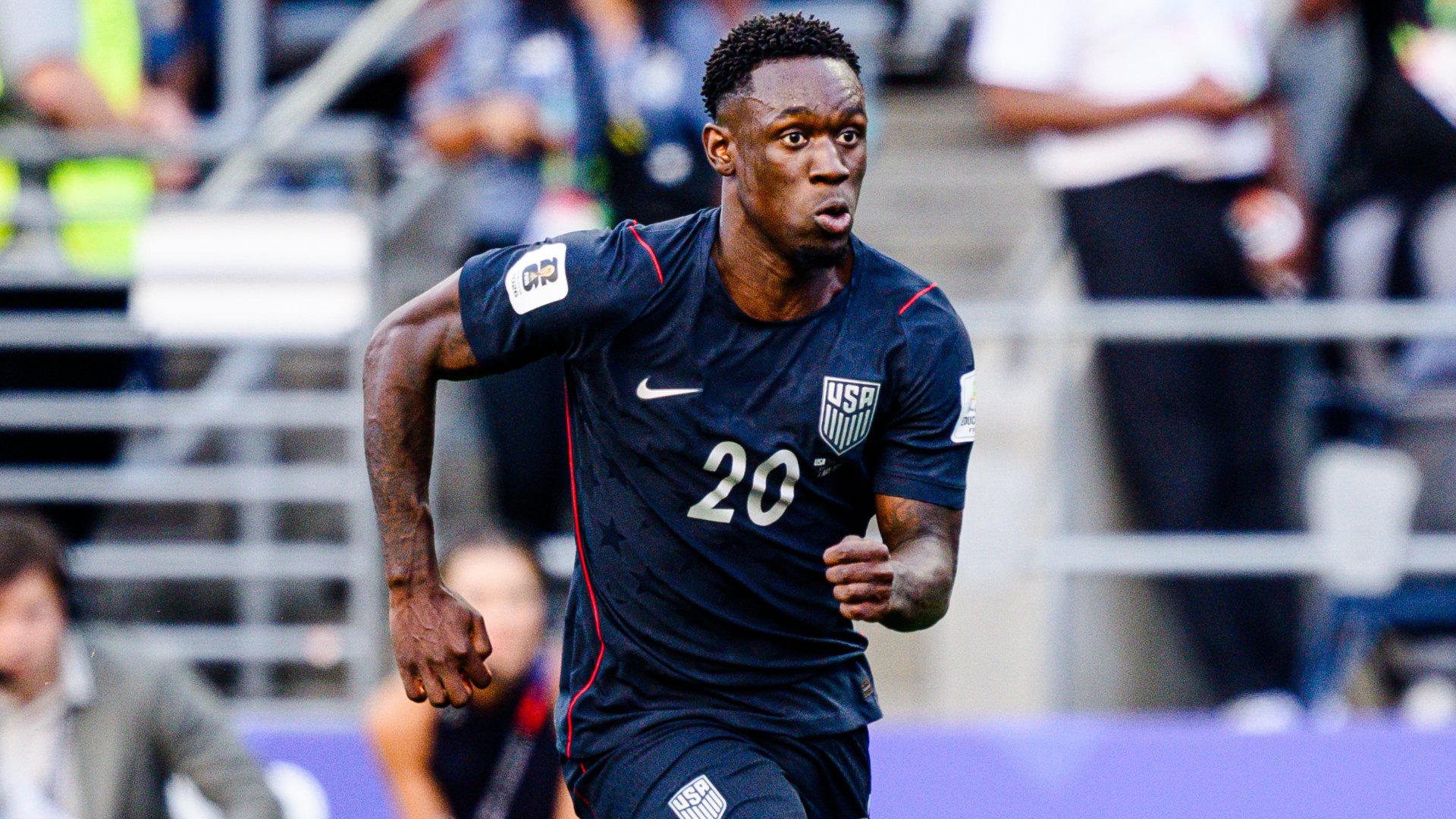
The 2026 World Cup field narrowed to eight teams on 8 July, and with the quarterfinals beginning, ESPN's shortlist of the tournament's most consequential players is suddenly the only starting XI that matters for the next two weeks. The timing is convenient: CBS Sports published its own shortlist the same afternoon, naming the NFL-calibre Americans who, under a counterfactual roster, might have given the United States a deeper attacking pool at this very stage. Put side by side, the two pieces describe the same tournament from opposite ends of the telescope — one inside it, the other watching it through the wrong end of binoculars.
The point is not which list is more entertaining. It is that the United States is hosting a World Cup for the first time in three decades, and the most-read American sports media is still working out how to talk about soccer. Coverage oscillates between breathless tactical analysis and resigned admission that the domestic pipeline does not produce a Mbappé, a Bellingham, or even a Mohammed Kudus. CBS's column, headlined "NFL players at a crossroads who could have helped Team USA," tries to bridge that gap with a thought experiment: which American athletes, if they had chosen the pitch at eighteen, would have moved the needle against the eight remaining teams. ESPN's piece accepts the constraint and works inside it, asking instead who, from the existing pool, decides whether the U.S. reaches the semis.
The quarterfinal lens
ESPN's argument is structurally simple. Once a knockout round is down to eight, individual stars carry more weight than group-stage systems. Defenders who can read a press win matches. A number 9 who can hold the ball while runners arrive wins matches. A goalkeeper who saves one of three expected goals wins matches. The publication's eight names — the precise list is paywalled in the preview — function less as a scouting report than as a reminder that the U.S. carried depth in midfield and athleticism at full-back, and that both were tested by tougher group-stage opponents than the 2022 cohort faced.
The structural frame is well-rehearsed. A World Cup hosted at home compresses attention cycles. Casual American viewers, who watched a five-day group stage in 2022 with detached curiosity, are now reading deeper tactical previews because the matches are in Houston, Miami, and Atlanta. The publication's choice to anchor the story on individuals — rather than on systems, federations, or refereeing trends — reflects the format. Eight teams remain. Eight names structure a column. The path from preview to bracket is shorter than it was a week ago.
The crossover counterfactual
CBS Sports took a different cut at the same day. Its premise is that the United States has a population of roughly 335 million, a professional athlete base across the NFL, NBA, MLB, and MLS, and a soccer federation that draws from a narrower talent pool than the country's playing population would suggest. Rather than ask which of the existing U.S. players is underappreciated, the column asks which of the existing NFL stars — listed as former All-Pro receivers, tight ends, and defensive backs — could plausibly have been developed as a forward, a winger, or an outside back. The exercise is intentionally implausible. Hopkins, in the article's framing, would not become a centre-forward by changing his registration. The conceit holds because the United States men's national team is, in the host nation's imagination, a roster that could be assembled from the country's other leagues if the scouting were only better.
Two editorial choices are worth flagging. First, the column names players who are, in the same week, talking about training camps, contract incentives, and the coming NFL season. The juxtaposition is a reminder that soccer in the United States competes with three other elite professional leagues for the attention of elite teenage athletes. Second, the column never quite asks the question that the tournament answers. The answer is that no crossover would have mattered if the U.S. had, in practice, not qualified for the round of sixteen — which, depending on match outcomes still to be played, remains an open outcome of the round that begins next week.
What the framing tells us
Read together, the two pieces describe a coverage environment that has spent a decade debating whether the United States will one day "take soccer seriously," and a tournament in which the United States is hosting, the broadcast infrastructure is intact, and the home fans are filling the stadiums. The product is good. The pipeline is thin. The crossover column is a coping mechanism, not a scouting tool. ESPN's depth-of-talent piece, by contrast, treats the U.S. as a serious federation that has earned its place in the last eight and now needs its best players to perform above their usual club levels. Both frames are defensible; only one of them is operationally useful to the manager and the federation between now and the next World Cup cycle.
The counter-read is also there for the writing. The crossover column monetises the World Cup quarterfinal moment for an NFL-skewed audience, and the same audience that reads about Patrick Mahomes in July reads about DeAndre Hopkins in July. That is a commercial calculation, not a tactical one. ESPN's player-of-the-tournament framing is a service to the soccer-curious reader who is now, in mid-July, more soccer-curious than at any other point in the four-year cycle. Both products meet their readers where they are. The open question is whether the federation meets the moment the same way.
Stakes for the next ten days
The next match — for the United States or for any of the remaining sides — decides the tournament's commercial and developmental trajectory. A deep run by the host team accelerates the existing trend: more youth registrations, more academy investment from MLS clubs, more television inventory sold against World Cup qualifiers. An early exit in the quarterfinals does not undo the cycle, but it slows it, and a slow cycle is precisely the outcome the CBS crossover column implicitly worries about. The NFL list, in other words, is a hedge against a quarterfinal loss. The ESPN list is the lineup that decides whether the hedge ever has to pay out.
The honest reading is that the source material does not yet name the eight specific players ESPN identifies. The preview summary in this publication's feed is the headline and the framing, not the roster. CBS's column similarly names the framing and the format, and identifies Hopkins by image in the article's hero treatment. A reader who wants the full tactical list for each quarterfinal will need the underlying outlets, and the tournament, for the rest of July. Monexus's role is to mark the moment, not to substitute for either source. The World Cup will be decided on the pitch; the coverage around it is being decided, right now, in the editorial pages of the country's two most-read sports publishers.
How Monexus framed this: a media-desk piece anchored to two same-day story angles on the same tournament, foregrounding the gap between the American football crossover question and the tournament itself rather than the other way around.