Inside the BBC's World Cup guessing game — and what the iPlayer map quietly says about England's tournament
The BBC is running a daily World Cup player-guessing game. Underneath it sits a more revealing artefact: a map of where England games have actually been watched.
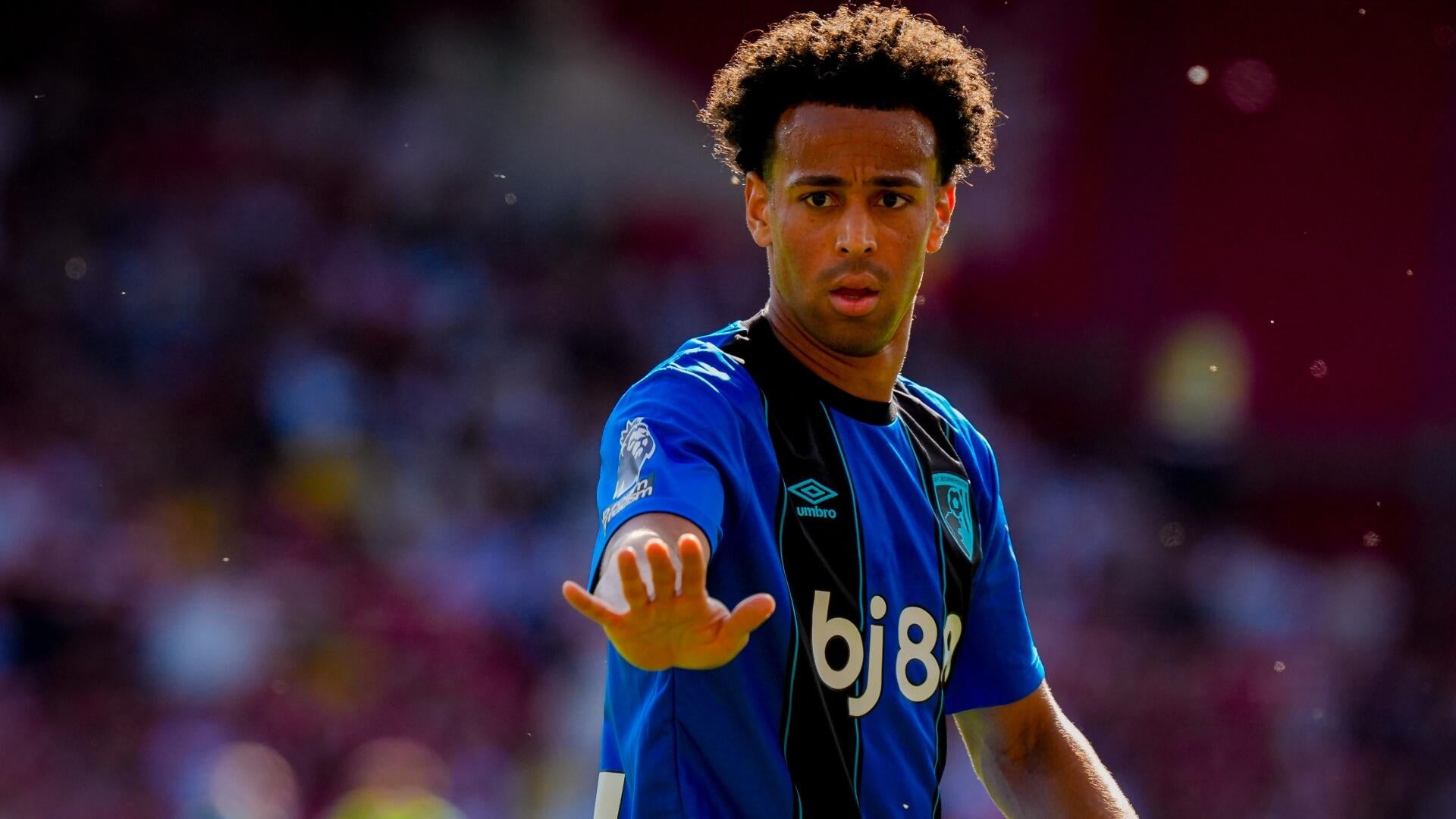
On 10 July 2026, the BBC published the 33rd instalment of its World Cup player-guessing game, inviting readers to identify a masked star from a sequence of clues. It is, on its face, light filler for a tournament desk that needs a daily widget. Read against the broadcaster's own iPlayer viewing map released the previous day, it reads as something more pointed: a public-service institution scrambling to manufacture engagement around a tournament whose home audience is, by its own data, geographically uneven.
The quiz is a tidy piece of audience engineering. It costs almost nothing to produce, runs for the duration of the competition, and gives the BBC a daily reason to be in a reader's feed. The iPlayer map, by contrast, is an admission. When the broadcaster plots viewing share across the United Kingdom, it is effectively admitting which towns and cities have bought in — and which have not.
A widget dressed as a quiz
The format is fixed. Each weekday, BBC Sport conceals a World Cup player's identity behind a set of progressively easier clues — nationality, club, position, a career milestone — and asks readers to guess in as few attempts as possible. The 10 July edition, "World Cup star No 33", follows the same template as the 9 July "No 32" before it.
The mechanics matter because they reveal what the BBC thinks a casual sports reader will tolerate. There is no journalism embedded in the quiz. There is no analysis of squad selection, no tactical framing, no geopolitical reading of who is hosting and at what cost. It is a hook — the same hook a phone-game studio might test, dressed in a public-service wrapper.
The map underneath
The more interesting artefact sits one rung lower in the BBC's output. On 9 July 2026, the broadcaster published a county-by-county breakdown of BBC iPlayer streaming during the tournament, asking "has your area gone football-mad?" The implicit premise is that the answer varies by region.
That is striking. Public-service broadcasters in major football markets do not usually publish a map saying "some of you watched, some of you didn't." The decision to surface that disparity suggests the BBC sees local engagement gaps as a story worth telling — partly because telling it generates clicks, and partly because the gap is a problem the institution is meant, by charter, to solve.
What the format says about coverage
There is a structural read here. A daily quiz and a streaming map are both substitutes for something harder: sustained, locally rooted tournament reporting. Where a regional paper in the 1990s would have sent a reporter to a fan park, or profiled the Nigerian community in Cardiff tuning in at 7 a.m., the BBC now ships a tile and a heatmap.
The quiz gives readers something to do. The map gives them something to argue about. Neither asks them to think about why viewership in one county runs ahead of another, or what that says about who the World Cup is for.
What the sources do not show
The two BBC Sport pieces referenced here do not name a single footballer, do not publish raw iPlayer numbers, and do not specify how the broadcaster measured or weighted viewing share across the four nations. The county-level pattern is described but not quantified. It is also not clear whether the data covers only England fixtures or the full tournament slate — a meaningful distinction when the audience a broadcaster is reaching is itself the story.
What can be said with confidence: on 9 and 10 July 2026, the BBC ran a daily player quiz alongside an interactive viewing map, and the second piece implicitly concedes that World Cup engagement across the United Kingdom is not uniform. The rest is interpretation — and the interpretation depends on what a reader thinks a public broadcaster is for.
Monexus treats the BBC's quiz-and-map pairing as a small case study in how publicly funded sports desks keep a tournament's audience visible — to itself. Where wire coverage treats the World Cup as a sporting event, Monexus reads it as an audience-infrastructure event as well.