LeBron's free agency, Kawhi's stalled trade, and the seven other questions shaping the NBA offseason
The biggest names are the headline, but the structural questions — extensions, restricted free agency, the apron — will decide who actually wins the summer.
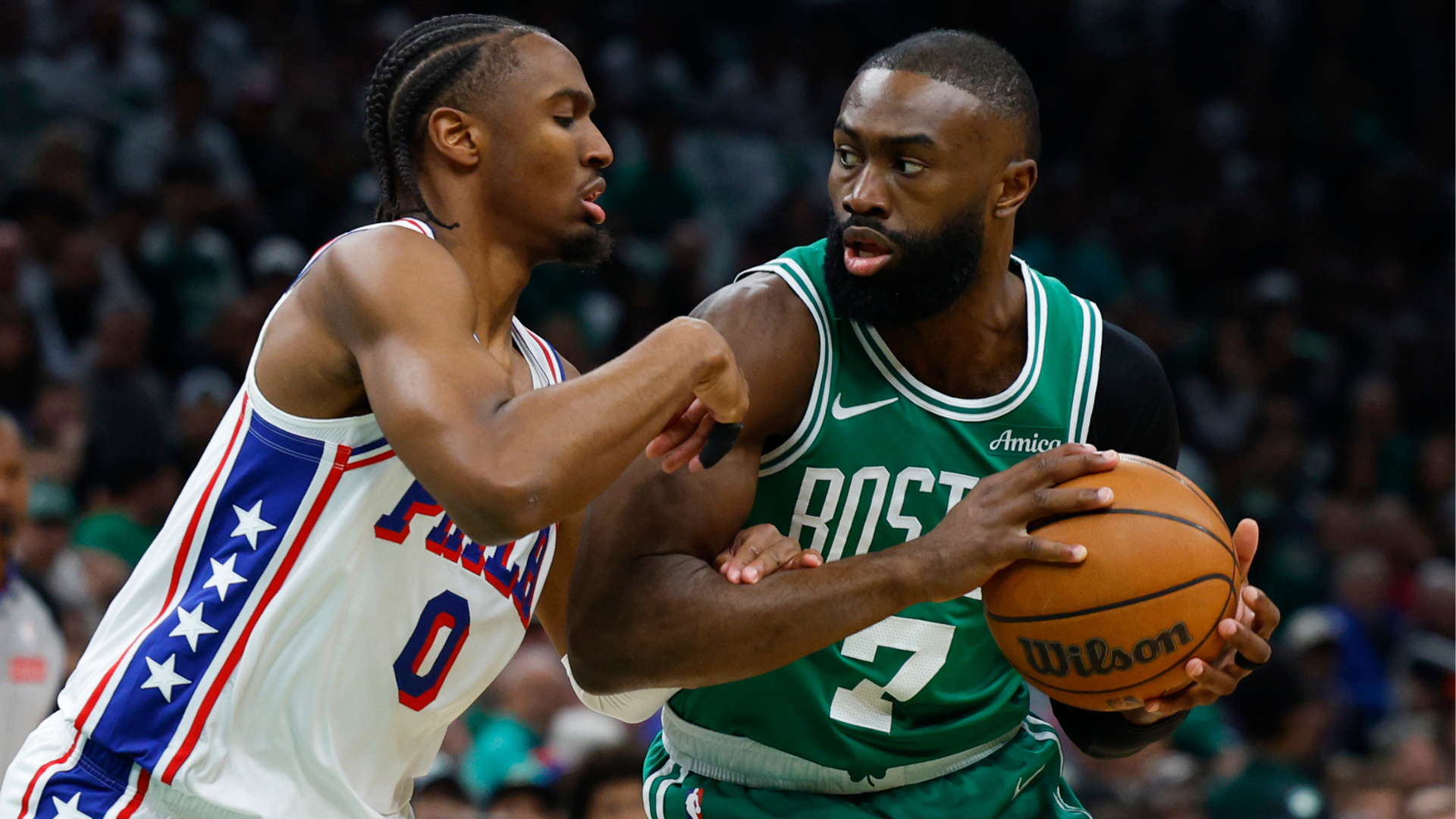
The NBA's marquee names remain in limbo on 10 July 2026. LeBron James is still a free agent, Kawhi Leonard's trade is parked in a holding pattern, and the league's offseason clock is running out of quiet weeks. The headlines track the glamour, but the questions that will actually shape the next eighteen months are smaller, drier, and far more structural.
This publication reads the situation as a single story wearing two faces. On one side, two future Hall of Famers are making decisions about where to finish their careers. On the other, the league's collective-bargaining framework — the second apron, the extension matrix, restricted free agency — is forcing every front office to do arithmetic that determines who gets to compete and who gets squeezed out.
What the six-team LeBron market actually looks like
ESPN's free-agent breakdown on 10 July laid out the realistic field for James: six teams with the cap space, the roster shape, or the trade machinery to write a real offer. The piece is explicit that this is no longer a question of prestige but of fit and ledger room. Each of the six carries a different blend of guaranteed money, Bird-rights flexibility, and intangible appeal, and James is widely expected to weigh the non-financial side at least as heavily as the dollar figure at this stage of his career.
The structural point is that even a maximum-contract player of James's stature is now operating inside a cap regime that punishes ambition above a certain threshold. The second apron, introduced in the 2023 CBA, freezes teams that cross it out of many of the mechanisms — the mid-level exception, the aggregated trade of contracts — that historically let contenders reload mid-cycle. The teams still in the LeBron conversation are, by definition, the teams that have kept themselves clear of that line, or that have decided the cost is worth it.
The Kawhi trade is paused, not dead
CBS Sports' offseason questions piece, filed at 16:44 UTC on 10 July, names the Kawhi Leonard situation as the single most consequential non-LeBron file still on the league's desk. The trade framework is reportedly agreed in principle; the hold-up is the usual mix of medical review, asset calibration, and the Clippers' insistence on not being seen as the side that blinked.
The risk of an extended stall is asymmetric. For the acquiring team, every week without a Leonard resolution is a week of roster planning conducted against a placeholder. For the Clippers, the longer the league's biggest summer story drags on without resolution, the more the franchise's identity becomes the question itself rather than the answer. The cleanest read of the situation is that the trade gets done before training camp, but the cost — in draft capital, in matching salary, in subsequent cap flexibility — will reveal which front office blinked first.
The under-the-radar questions that decide winners
ESPN's parallel unresolved-storylines piece, also published at 12:37 UTC on 10 July, treats the Jalen Duren extension as a marker file for an entire class of young players entering their second contract. Duren is the test case because his eventual number — projected in the eight-figure annual range — sets the comparable for every comparable centre extension negotiated over the next two offseasons. The same arithmetic applies to every restricted free agent still unsigned: each deal that closes tightens or loosens the next one.
Three structural questions sit underneath all of these:
- The second apron's bite. The number of teams operating above it is small, but the number of teams planning around it is large. Front offices that want to keep optionality are now building rosters that specifically avoid crossing the line, even when short-term talent would justify the risk.
- The rookie extension window. Players eligible for extensions in summer 2026 are negotiating against a market that has learned, painfully, what a flat deal looks like three years later. The five-year max is the ceiling; the question is how far below it the league's negotiating culture will accept.
- Restricted free agency timing. Every day a top RFA remains unsigned is a day the offer-sheet market thins. Teams with cap space have already spent or held; the leverage curve is bending back toward the players, slowly.
Stakes and forward view
The plainest read of the next sixty days is that the league's competitive order for 2026-27 is being set in conference rooms, not on courts. LeBron's choice, Kawhi's trade, and the dozen extension decisions underneath them together determine which four or five franchises enter next season with the optionality to make a mid-season move and which do not. The second apron is the silent partner in every conversation.
What remains genuinely uncertain is whether James treats this decision as a final chapter or as one more chapter in a longer arc. The reporting does not resolve that, and his camp has not clarified it. The same is true of the Clippers' posture on the Leonard trade: the public framing is patience, but patience has a half-life, and training camp is roughly ten weeks away.
The sources disagree on tone more than on substance. Both ESPN pieces treat the offseason as a series of mechanical problems with financial solutions. CBS Sports treats it as a series of open human questions with mechanical constraints. Both readings are compatible, and the summer will reward whichever front office holds both in view at the same time.
Desk note: The wires frame the offseason through the two biggest names. Monexus frames it through the cap architecture that turns those names into constraints — the same story, but the constraints are what actually decide who wins next June.