Tehran talks cool as US sees odds of a nuclear deal slipping
The Wall Street Journal reports US officials believe a nuclear deal with Tehran is increasingly unlikely. Tehran's read differs, and the gap matters.
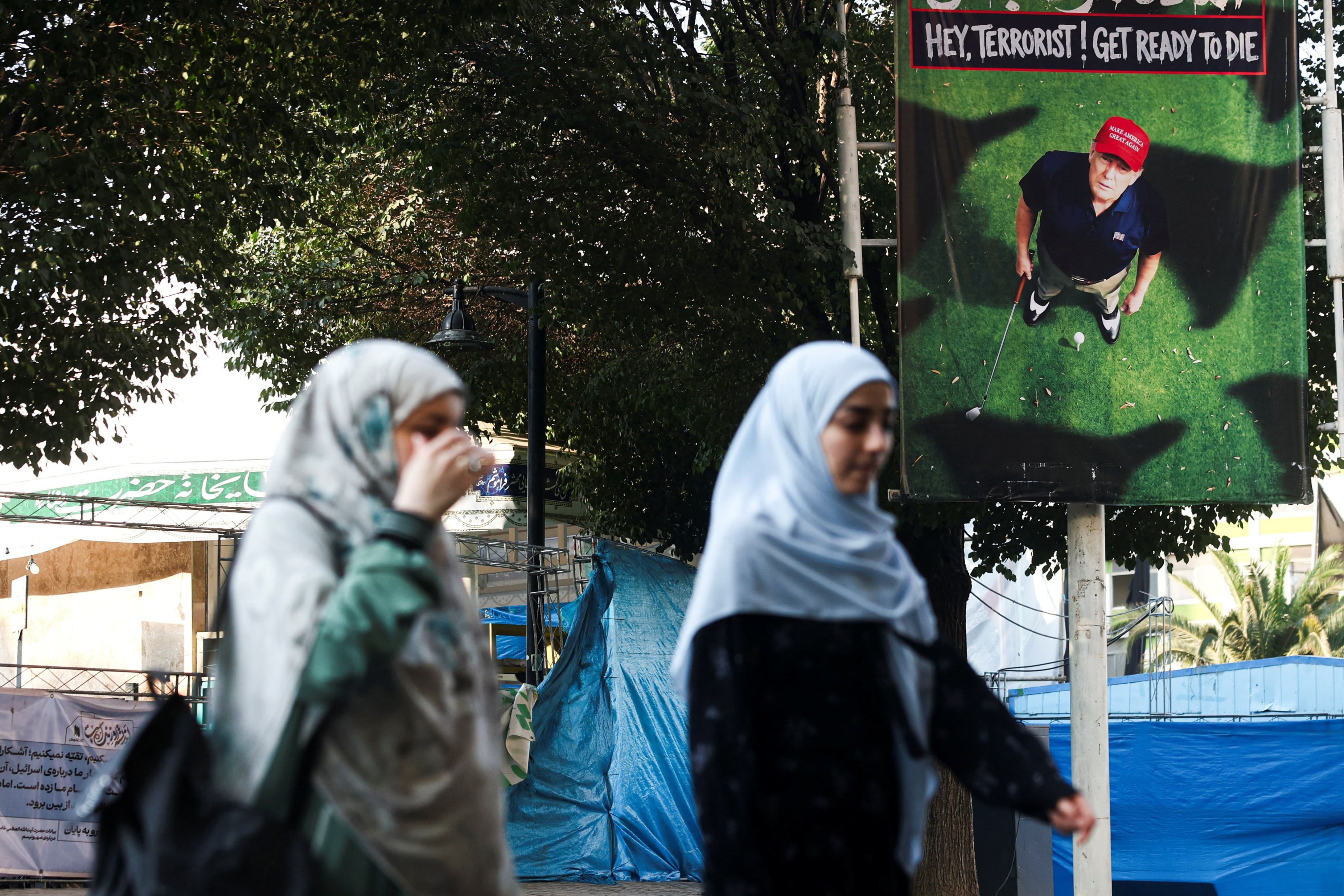
The Wall Street Journal reported on 10 July 2026, citing American officials, that the Trump administration now believes the chances of reaching a nuclear agreement with Iran are shrinking. The wire landed at 23:32 UTC on the open-source channel Intelslava, and Iranian state-linked outlet Tasnim reprinted the framing in the small hours of 11 July UTC, signalling that Tehran is paying close attention even as it disputes the read.
That gap between Washington's pessimism and Iran's posture is the story. Both sides are still talking. Neither side is acting like it expects a deal. The result is a slow drift that may matter more than any single missile test or sanctions tranche — because in non-proliferation diplomacy, what is not signed in a given quarter tends to define the next decade.
What the Journal actually said
The Wall Street Journal report, paraphrased in the two Telegram wires that surfaced it on the evening of 10 July, attributes the assessment directly to "American officials" — plural, unnamed, presented as inside the administration's policy debate rather than as partisan voices. The framing is hedged: not that talks have collapsed, but that the odds of an agreement are decreasing. That distinction matters. A collapse implies a detonation; a shrinking probability implies drift.
US officials did not, in the reporting surfaced on 10 July, set a public deadline, announce new sanctions, or claim an Iranian violation. The signal is atmospherics — the kind of background quote that usually precedes a policy shift by weeks rather than days.
Tehran's read of the same news
Tasnim, the outlet closest to the Islamic Revolutionary Guard Corps and routinely cited by Western Iran-watchers as a temperature read on the Iranian security establishment, reprinted the Journal line with no visible counter-quote from an Iranian official. That silence is itself the message. Iranian state-aligned coverage has, in past cycles, used Western pessimism to harden domestic framing against any deal that would constrain the nuclear programme. The quieter treatment on 11 July suggests Tehran is not yet ready to declare the round over either.
For the Iranian negotiating team, the political logic runs the other way. Publicly conceding that talks are failing would foreclose sanctions relief that the rial-strained economy cannot easily replace. Privately, Iranian officials have, in previous rounds, treated American pessimism as tactical positioning — a way to lower expectations before a final push.
The structural frame, in plain terms
Every US-Iran nuclear episode since 2002 has run on the same asymmetry. The United States arrives at the table able to offer sanctions relief in exchange for limits a single administration can enforce. Iran arrives needing technology access, banking connectivity, and frozen assets returned — all of which require either US executive action or multilateral coordination that takes years to assemble. The clock, in other words, is structurally tilted against Tehran. Drift favours the side with fewer moving parts.
This round inherited that geometry. The Trump administration's stated preference for a "deal of the century" — shorter, broader, and enforceable on a tighter clock — was always going to collide with Iran's preference for sequenced relief tied to verifiable Iranian compliance. As long as both sides continue talking without either side's domestic politics moving, the longer the calendar runs, the more the diplomatic centre of gravity shifts toward the Iranian position of maintained capability in exchange for partial sanctions easing.
What to watch next
Three signals will tell readers whether the 10 July pessimism was a negotiating posture, a leaked trial balloon, or a genuine policy turn.
First, the IAEA Board of Governors calendar. Any movement at the Agency that would refer Iran back to the UN Security Council would harden the American position publicly and foreclose the diplomatic lane.
Second, enrichment metrics out of Natanz and Fordow. The International Atomic Energy Agency's quarterly safeguards reports remain the single most verifiable datapoint on the distance between Iran's declared programme and weaponisation.
Third, third-party movement. Oman, Qatar, and Switzerland have historically carried shuttle diplomacy. Public statements from any of those three chanceries in the coming weeks will indicate whether the back-channel still exists.
Desk note: the wire version of this story will pivot on whatever the next IAEA quarterly report or US Treasury sanctions action actually says. Monexus will treat Tasnim and other Iranian state-linked outlets as legitimate primary sources for the Iranian position, with sourcing caveats attached, rather than as background noise to the Washington read.
Wire provenance
This editorial synthesis draws on the following public wire/social posts:
- https://t.me/tasnimplus
- https://t.me/intelslava