The Lincoln stays out: how a 210-day deployment became the Strait of Hormuz's pressure point
A US carrier breaks a modern sea-duty record while Washington demands Tehran publicly renounce firing on commercial shipping — the structural shift from offshore deterrence to inline coercion is now visible from the bridge wing.
Night sortie off the Lincoln on 11 July 2026, radar returns stacked on a tactical screen: the deck crew had been launching, recovering, refueling, relaunching since before dusk. The Abraham Lincoln — sailing more than 210 consecutive days at sea, a modern US carrier record — is operating inside the Strait of Hormuz's threat radius at the precise moment Washington has chosen to make its demands public.
A 210-day deployment is no longer a deployment; it is a posture. The carrier's record-breaking streak reframes the US presence in the Gulf from a deployable asset into a fixed infrastructure of coercion. What the Pentagon signals by keeping one of its most expensive platforms at the operational frontier for a third of a year is that the demand now on the table — Iran publicly stating the Strait of Hormuz is open to all commercial shipping and ceasing fire on commercial vessels — is not a request to be negotiated at the conference table but a condition enforced from the flight deck.
A demand dressed as a routine
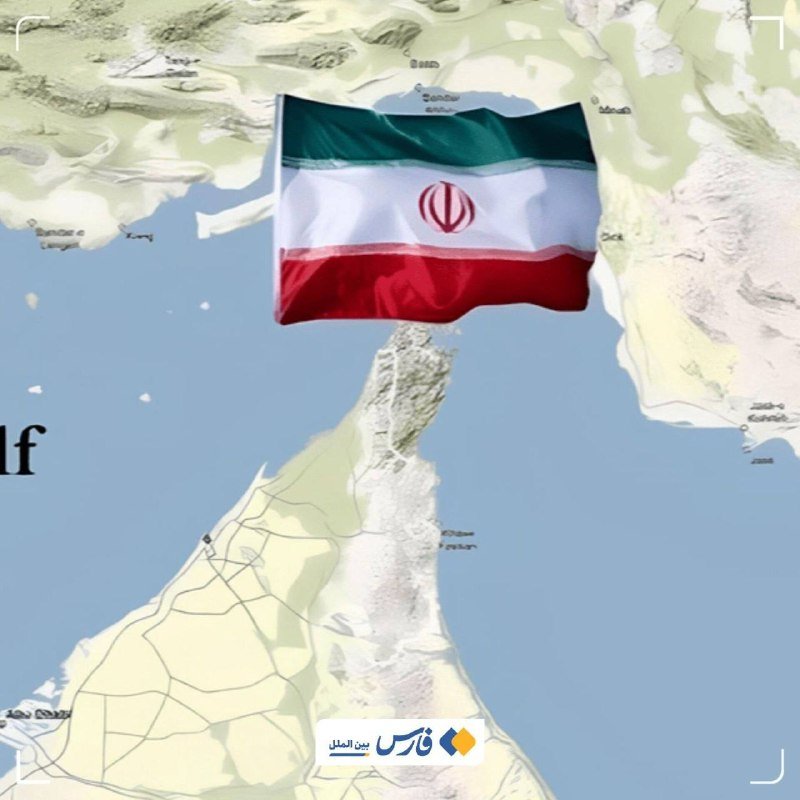
The text of the US demand, as relayed to Western wires on 10 July, is short and unusually explicit. The United States is asking Iran to make a public commitment that the Strait of Hormuz is open to all commercial shipping and to confirm in the same breath that Iranian forces will not fire on commercial vessels transiting the chokepoint. A second US official, quoted by Axios, made the stakes plainer: should Iran refuse to commit to a ceasefire on commercial traffic, "harsh consequences" will follow. The formulation — public statement, public commitment, no ambiguity — is the language of an ultimatum, and it has been dressed in the clothes of a routine diplomatic exchange.
The strait itself is narrow, roughly 21 nautical miles at its tightest, with a two-mile-wide shipping lane in each direction. A handful of fast attack craft, a few shore-based anti-ship missile batteries, and the threat of naval mines can interdict that traffic with very little warning. The asymmetry is what makes the demand specific. Tehran does not need to win a naval engagement to tighten energy markets; it needs only to be plausibly willing to deny passage for hours at a time. The US request is to remove that plausible willingness in writing, on the record.
The carrier as escrow
Forward-deployed carriers always function as diplomatic furniture. This one is doing more. Per figures circulated on 10 July, the Lincoln's continuous time at sea has now exceeded 210 days, surpassing what observers identified as the previous modern US carrier record. A carrier air wing cycles through roughly 80 sorties a day in sustained operations, and a deployment of that length is only sustained when the command logic has shifted from contingency presence to active enforcement. The platform is, in effect, the collateral securing the demand. Whatever Tehran says in public, the deck is still cycling.
The signal reads clearly from both sides of the Gulf. Iranian planners, watching a US carrier group operating well past a standard work-up, must price in a higher probability of American willingness to use it. Insurance markets and tanker charterers, reading the same posture, have already begun to bid for the risk. The Strait of Hormuz will not close today; it does not need to. The cost of doing business through it has already risen, and the demand before Tehran is to lower that cost on terms written in Washington.
What the wire says, and what it leaves out
The headline framing in Western coverage — US demands Iran publicly keep the strait open — flattens the asymmetry the carrier's record deployment is meant to address. Iran's read of the same events is structurally different: a carrier that has been at sea more than 210 consecutive days, with air wing cycling at night over the strait, is not a deterrent in any passive sense; it is a coercion machine parked within weapons range of the Iranian coast. From Tehran's vantage, the demand for a public statement is not a confidence-building step; it is a public surrender of the only leverage Iran holds over global maritime energy flows.
That is the alternate read, and it is worth weighing. The Western wire treats the demand as a minimum condition for de-escalation. The Iranian counter-reading treats the same demand as the maximum concession Washington can extract without firing — a posture in which Iranian silence is itself a tactical asset, and any written commitment is a unilateral disarmament on the corridor that matters most to the Islamic Republic. Both readings can be true simultaneously. The dominant framing in English-language coverage holds because the ask is publicly stated; the alternate holds because the asking instrument is parked 200 nautical miles off Bandar Abbas.
Stakes beyond the chokepoint
If Tehran issues the public statement, the immediate outcome is a softening in marine insurance premia, a clearer tone for oil futures, and a downgrade of the carrier's deterrent tempo over the next four to six weeks as the air wing enters deeper maintenance rotation. If Tehran does not — the more probable path, given the public framing already in play — the Lincoln's next 90 days at sea become a slow-acting settlement: each sortie logged, each recovery, each replenishment at sea, tightening the noose the demand was supposed to resolve by negotiation. The corridor is 21 miles wide. The patience on either side is being measured in days.
Three things remain genuinely uncertain in the reporting. Whether the US demand is paired with a parallel channel — back-channel or third-party — that the public framing conceals. Whether the Lincoln's extended deployment is driven by operational necessity or by political signaling ahead of an 11 July–anchored decision point. And whether Iran's silence over the next 48 hours is itself the answer, or merely the breathing space before a counter-offer that has not yet surfaced. The wire says nothing about any of these; the deck says a great deal.
— How Monexus framed this: Western coverage is running the demand as the headline and the carrier as backdrop. Monexus is reading the carrier's 210-day deployment as the headline, with the demand as the formal expression of the leverage it provides.
Wire provenance
This editorial synthesis draws on the following public wire/social posts:
- https://t.me/epochtimes/123456
- https://t.me/wfwitness/123456
- https://x.com/polymarket/status/123456
- https://x.com/polymarket/status/123457