The Lincoln Holds the Line — and the Bill Comes Due
USS Abraham Lincoln surpasses 210 straight days at sea while Washington pushes Tehran for a public vow not to fire at commercial shipping — a patrol posture that is doing real diplomatic work, at real cost.
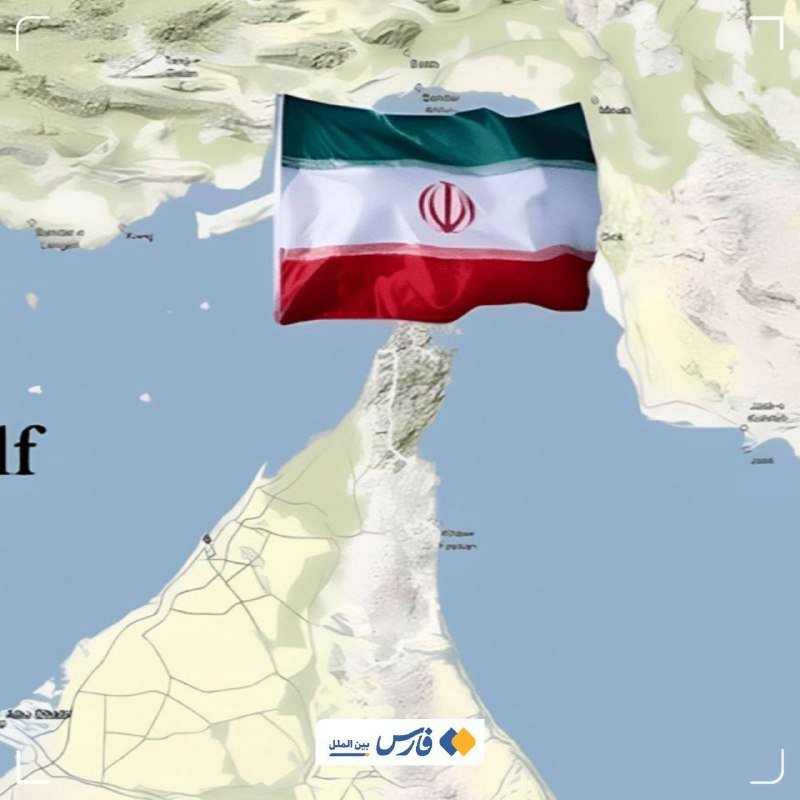
On 11 July 2026, at roughly 02:06 UTC, F/A-18s pushed off the deck of USS Abraham Lincoln into a Persian Gulf night sky for what the US Navy called a routine nighttime patrol over the Strait of Hormuz. Routine is doing a lot of work in that sentence. By the prior evening's accounting, the Lincoln had been continuously at sea for more than 210 days, surpassing the previous modern US carrier endurance record, per a 10 July post by Polymarket's news desk on X. A vessel that was supposed to set a tone, not keep one, has become the standing backdrop to a blockade-and-demand crisis that the world is now expected to navigate around.
Read the two stories together and the shape of the crisis clarifies. The US is publicly pressing Iran to issue a statement that the Strait of Hormuz is open to all commercial shipping and that Iranian forces will not fire on transiting vessels, according to Al Jazeera's breaking-news coverage timestamped 11 July 2026 at 00:00 UTC. A separate Polymarket post at 21:19 UTC on 10 July framed the same demand with the same teeth: reopen all lanes, drop the tolls, or accept a "bad outcome." That word — "bad outcome" — is the price tag on patience. The Lincoln is the receipt.
The carrier as message
Aircraft carriers do not merely project force; they broadcast tempo. Keeping one on station past 210 days, with its air wing cycling sorties and its escort group refuelling at sea, is the visible signal that Washington has decided the Strait of Hormuz requires a permanent fixture, not a deployment. Tonnage and insurance markets read that signal long before any cable crosses the State Department. War-risk premia in the Gulf have spiked twice in 2026 already on the back of these patrols; ship operators are quietly routing Cape of Good Hope convoys for the Indian subcontinent leg. The carrier is the message. The market is the audience.
Why a public statement, and why now
The US is not asking Tehran for quiet compliance — it is asking for a performance. A printed and broadcast pledge that Hormuz is open and that Iranian gunboats will hold fire travels faster than any naval order; it lets every charterer, every port authority, every insurance underwriter resume pricing the route on the assumption of normal transit. Privately, Iran's Revolutionary Guard Corps has tolerated traffic; publicly, the tolling regime and the occasional seizure keep the politics of friction alive. The squeeze point is the gap between the two. By demanding a public renunciation of fire-on-ship policy, Washington is trying to close that gap on the airwaves rather than on the waterline.
The cynical read is that the US wants the soundbite to underwrite an election-cycle oil price. The more honest read is that the soundbite is the actual mechanism: Hormuz is open because the principalities on both shores keep saying it is open, and when one side stops saying it, the lane closes regardless of what is happening in the water. The Lincoln is the footnote to that sentence.
What the Iranian side already says
Iranian state-aligned messaging, where it surfaces in wire reporting, treats the tolling regime as a sovereign-revenue instrument rather than a closure — a tax on transit that the Gulf states themselves impose in various forms on other commodities. From that vantage, the US demand reads less like a de-escalation request and more like a unilateral tariff rollback under duress. Tehran has, in recent months, framed any reopen-without-tolls concession as a humiliation it would not absorb at home. Whatever the merits of that framing, it is the framing inside the Iranian political class that matters when an order to stand down has to be issued and visibly obeyed.
Stakes, ledger, and the date to watch
If the public statement materialises within days, war-risk premia ease, Cape diversions unwind, and the Lincoln's endurance record stays in the file as a feat rather than a forcing function. If it does not, and the "bad outcome" framing is anything more than bluster, the next move is escalation: a flagged vessel, a boarding incident off Bandar Abbas, a reprisal the cameras can see. Either path runs through Hormuz, and the Lincoln remains the deck the world watches. The 210-day number is more than a record; it is a countdown that nobody has yet agreed to reset.
Wire provenance
This editorial synthesis draws on the following public wire/social posts:
- https://t.me/epochtimes/17829
- https://x.com/polymarket/status/1813531211006202042
- https://x.com/polymarket/status/1813494777012564019