A container ship, a corridor, and a diplomatic no: Hormuz on the edge of two-track shipping
A Cyprus-flagged vessel surfaces off Oman after an Iranian strike, Tehran rebuffs Washington, and Muscat floats a two-lane traffic plan that would split the world's most sensitive oil chokepoint.
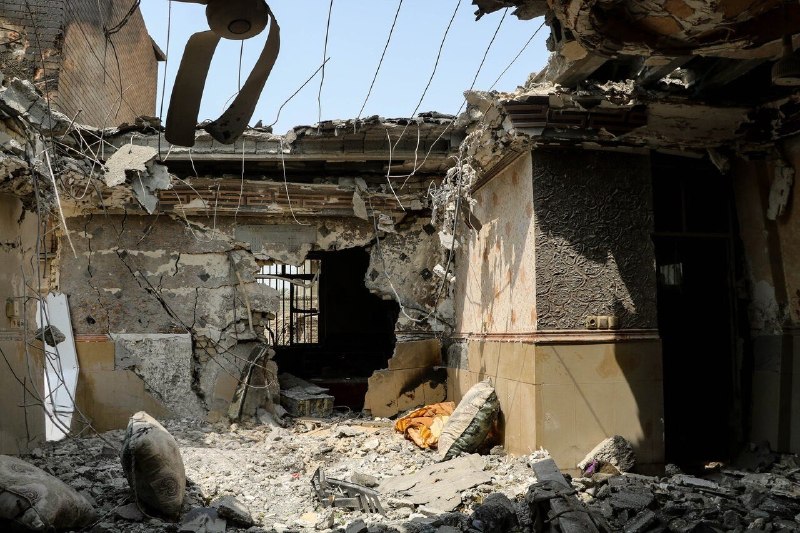
At roughly 12:53 UTC on 12 July 2026, a Cyprus-flagged container ship, the GFS GALAXY, was sighted about five kilometres off the Omani coast, escorted, by initial accounts from the WarFront Witness channel on Telegram. The vessel had been reported struck the previous day in the Strait of Hormuz. Its reappearance at the southern mouth of the chokepoint is the first hard signal of how the latest round of escalation between Tehran and Washington is actually playing out on the water.
The episode sits at the intersection of three separate moves that, read together, amount to a slow-motion redesign of the most important oil corridor in the world. Iran has opened fire on at least one commercial ship. The United States has demanded Tehran reopen every lane of Hormuz without tolls, on pain of what officials described as a "bad outcome." And Oman, the corridor's southern steward, has proposed splitting Hormuz traffic into two separately controlled shipping routes. None of those three positions are aligned. None of them look close to aligning. The strait that carries a fifth of global oil shipments is being talked about as if it were a piece of contested urban infrastructure, not a maritime commons.
The shot, the ship, and what is actually known
The immediate trigger is the GFS GALAXY. A container ship flying a Cypriot flag, it was reportedly struck by Iran in the Strait of Hormuz on 11 July 2026. By 12:53 UTC the next day, WarFront Witness reported the vessel around five kilometres off Oman's coastline, under escort, with no independent confirmation of casualties or cargo status in the public record.
Two things make that bare sequence important. First, the ship's flag: a Cypriot registry places the legal exposure of the strike inside the European Union's enforcement perimeter, even though the owner and operator are not yet identified in the public material. Second, the location of the sighting: the southern side of Hormuz, not the Iranian side. If the vessel moved south under its own power or under tow, it traversed the entire chokepoint while the corridor is, on paper, contested.
The Iranian side has not, as of this writing, formally claimed the strike in the thread material available. The Western line, by contrast, treats any Iranian action against commercial shipping in Hormuz as a deliberate tariff on global trade. Both readings are plausible, and the sources do not yet allow a clean judgment on which is closer to the truth.
Three positions, no negotiation
The diplomatic backdrop is now a triangle, not a line.
On 10 July 2026 at 21:19 UTC, U.S. demands surfaced publicly via Polymarket's markets feed: Washington wants Iran to reopen all lanes of the Strait of Hormuz without tolls, or face what was characterised, in the wording of the demand itself, as a "bad outcome." The framing leaves no room for a partial deal.
Iran's response, posted at 13:38 UTC on 11 July via the same feed, was an effective no. Tehran rejected talks unless Washington first implements what it called "agreed-upon understandings" on Hormuz transit and Iranian oil exports. The phrasing matters: Iran is not refusing the table. It is refusing to come to the table empty-handed. The difference is the difference between a diplomatic rupture and a negotiating position.
Then, at 19:02 UTC on 11 July, Oman inserted itself as a third pole. Muscat proposed splitting Hormuz traffic into two separately controlled shipping routes, an arrangement that would, in effect, formalise a division of responsibility inside the corridor. One route, presumably, would fall under Omani-GCC management; the other, implicitly, under Iranian management. A two-track Hormuz is not a closure. It is also not a free passage. It is a partitioned strait, with the world's tanker fleet asked to file into the right lane.
What a two-lane Hormuz would actually mean
The structural shift here is not about tonnage. It is about the legal and political geometry of the corridor. A single, undivided Hormuz has, for decades, run on a quiet bargain: the strait is an international waterway, passage is supposed to be continuous and transit passage is supposed to be uninhibited under the UN Convention on the Law of the Sea, and the world's navies, in particular the U.S. Fifth Fleet out of Bahrain, keep the bargain credible.
Splitting traffic into two separately controlled routes would, in practice, replace that bargain with a permit system. Each lane would carry its own rules of entry, its own insurance regime, its own deconfliction protocol, and, almost certainly, its own toll structure. Iran's existing selective approach to inspections on southbound tankers, which has functioned as a de facto tariff for months, would simply become the rule for one of the two lanes.
There is a counter-reading worth taking seriously. Partition could, in theory, de-escalate: it would give Iranian-flagged and Iran-bound traffic a designated channel, reducing the friction that comes from mixed convoys, and it would give Western naval forces a clear lane to police without Iranian interference. The Oman proposal may be a serious piece of statecraft, not a provocation. It is also, in practice, the first formal move to convert Hormuz from a commons into a managed corridor. Once that line is crossed, the precedent travels.
The stakes, in plain terms
If the trajectory continues, three things happen in sequence. Insurance premiums for Hormuz transits rise, and freight rates through the strait reprice within weeks, not months. The diplomatic default shifts from "free passage" to "negotiated passage," with every actor from Tokyo to New Delhi forced to take a side. And the military presence in the Gulf thickens, because no flag-state will accept a partitioned strait without a security guarantee.
The counter-narrative, the one Western wires will lean on, is that Iran is the disruptor, that the strike on the GFS GALAXY was unprovoked, and that Oman's proposal is a rational attempt to contain the damage. The structural counter-narrative, the one the Iranian and broader Global-South framing tends toward, is that the existing arrangement has been unequal for years, that Iran has legitimate grievances about sanctions enforcement inside its own EEZ, and that a two-lane system is at least a more honest reflection of who actually controls the water.
What remains genuinely uncertain is the casualty picture on the GFS GALAXY, the ownership chain behind the Cypriot flag, and whether the U.S. "bad outcome" language is a negotiating posture or a planning posture. The thread material does not specify any of those. The next 72 hours will tell.
Desk note: Monexus framed this as a three-cornered diplomatic geometry rather than a one-sided incident, weighting the Omani proposal on its structural merits and treating the Iranian and U.S. positions as parallel negotiating moves rather than one as provocation and the other as response.
Wire provenance
This editorial synthesis draws on the following public wire/social posts:
- https://t.me/wfwitness