The midterms ceasefire Tehran wants, and the one Washington already rejected
Tehran says it wants the MoU back by early November. The White House, per WSJ, has told aides to expect strikes to resume after the vote. The two clocks are now visibly out of sync.
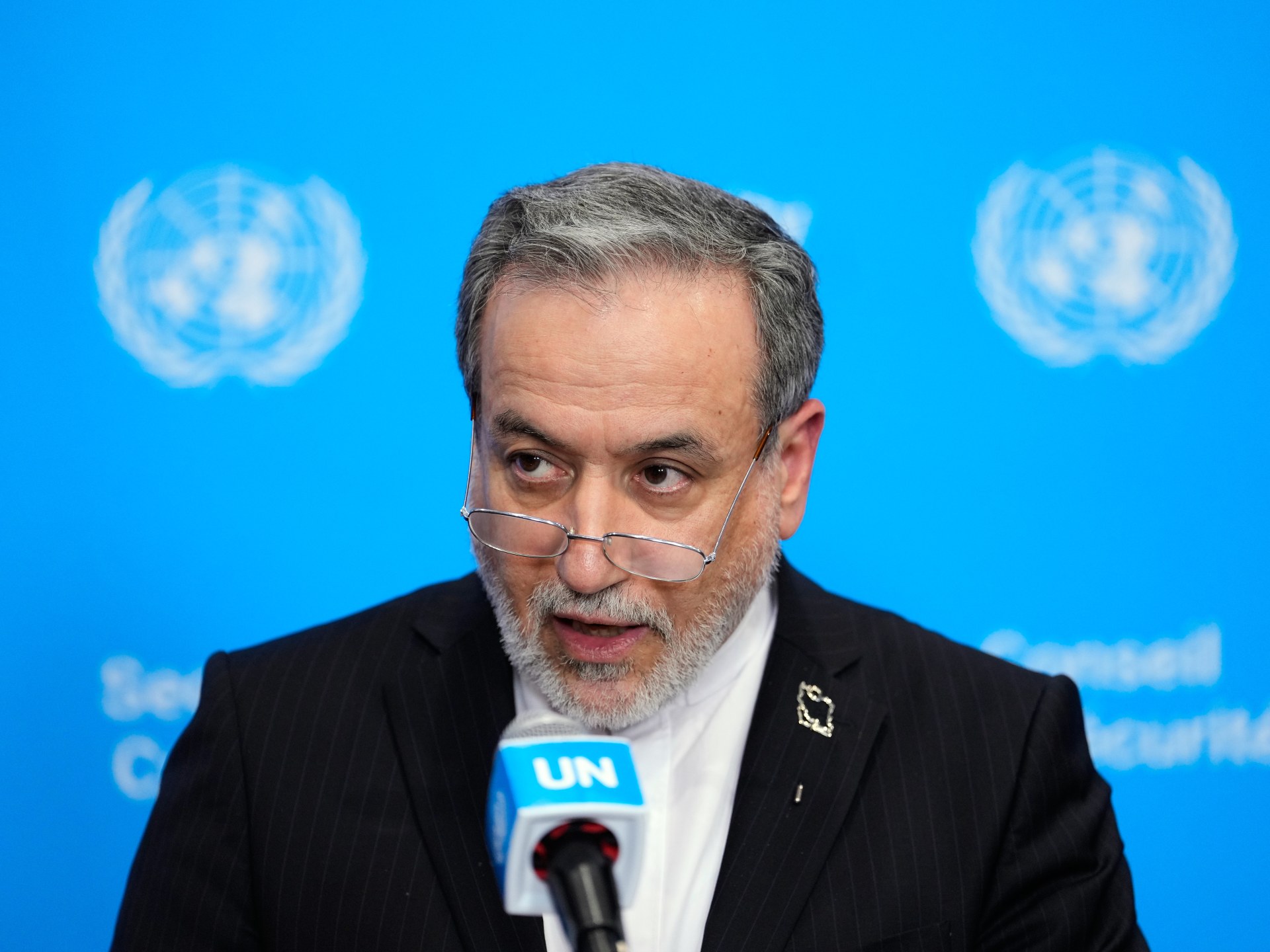
On 24 September 2026, in an interview with Fox News aired that evening, Iranian President Masoud Pezeshkian said the choice of whether to end the war lies with Washington, not Tehran. France 24's live blog of 24 September 2026 carries his framing that Tehran does not wish to continue fighting and that the decision rests with the United States. The same quote, "We don't want it to get to the midterm elections," was relayed by the Telegram channel ClashReport at 21:17 UTC on 24 September 2026.
Within roughly twenty-four hours of those remarks, the American response became visible in a different shape. Reporting carried by the WSJ and relayed by the Telegram channel wfwitness on 26 September 2026 at 00:37 UTC states that President Trump has rejected the seven-day ceasefire proposal and told aides he expects U.S. strikes against Iran to resume after the November midterm elections. The two messages are now sitting in the same news cycle, aimed at the same calendar, and reading in opposite directions.
Two clocks, one calendar
The most striking thing about the exchange is that both sides have publicly anchored themselves to the same date. Pezeshkian's framing, aired by France 24 on 24 September and relayed across Telegram on the same evening, makes the midterms a deadline. The U.S. side, per the WSJ relay via wfwitness on 26 September, treats the midterms as a starting gun for renewed military action rather than as a diplomatic checkpoint. The compression is unusual: an active war in which both governments have chosen to bracket the most important date on the American political calendar as the pivot point.
For Tehran, the logic Monexus reads as plain is the electoral one. A pre-midterms settlement converts a sitting U.S. administration into a negotiating partner with skin in the game; a post-midterms restart hands any successor the same file with none of the political cost. For Washington, the calculus being telegraphed is the inverse. Strikes resumed after the vote insulate the action from the campaign, and reframe the conflict as something the next Congress inherits rather than something the current one escalated in plain sight.
The MoU, and what "re-enter" actually means
The memorandum in question is the framework that preceded the current round of hostilities. Pezeshkian's request, as relayed by ClashReport on 24 September, is not a new agreement but a return to the terms that were already on the table. "We don't want it to get to the midterm elections," he told Fox News, framing the interval as the window in which revival is still possible. The verb matters. Reviving implies continuity, not concession.
What is conspicuously absent from the public exchange is any indication of whether Tehran has offered additional terms beyond the original text, and what concessions Washington would extract in exchange for returning to it. The available source items do not specify. That omission is itself the story: with both governments publicly committed to a six-week horizon, the actual substance of the deal is being left to private channels that have not produced a verifiable read in the cited reporting.
Reading between the leaks
Monexus assessment: the leak cycle is doing diplomatic work that the negotiations themselves are not yet doing. The WSJ account, carried into the wfwitness channel on 26 September, is being used to harden an American position publicly while leaving room to move privately. Tehran's interview choices, Fox News on 24 September and a flurry of Telegram and wire pickups by 25 September, are doing the opposite: signalling openness to a face-saving off-ramp to a domestic American audience that may be receptive to one. Each side is bargaining with the other's electoral coalition more than with each other.
That is why the ceasefire offer itself is so short. Seven days is barely a pause. It is long enough to claim credit for de-escalation and short enough to avoid any irreversible commitment. Pezeshkian's choice of a one-week window reads as a proposal designed to be rejected on terms that allow him to return to the camera and say he tried.
What the next six weeks actually contain
The midterm calendar now does the work that the diplomats are not. If the WSJ account relayed by wfwitness is accurate, the U.S. posture is to hold military options open and resume them after the vote, treating the interval as a managed lull rather than a negotiating window. If Pezeshkian's framing prevails, the interval becomes a genuine countdown in which Tehran will be expected to produce something more durable than a seven-day pause.
The most plausible counter-read is that both governments are posturing for an audience they each need to win over before November, and that the actual terms of any settlement will emerge in a final week of October once the electoral geometry is clear. The dominant framing holds only if one assumes the public exchanges are sincere openings. The competing read is that they are closing moves for a war that resumes regardless of who controls Congress in January.
What remains uncertain is whether a private track is running at all. The cited reporting names no channel, no envoy, no back-channel state. The available source items do not specify. Until that changes, the visible story is two governments reading from incompatible scripts about the same date, and an Iranian proposal on the table that the United States has already, on the record, declined.
Desk note: Monexus framed the exchange around the calendar collision rather than around either government's preferred narrative. The WSJ relay via wfwitness is treated as the dominant read on the U.S. position because it is the most explicit sourcing available in the cited items; Pezeshkian's Fox News interview, as carried by France 24 and ClashReport, is treated as the Iranian counter-position, not as an indicator that a deal is imminent.
Wire provenance
This editorial synthesis draws on the following public wire/social posts:
- https://t.me/wfwitness/113212
- https://www.france24.com/en/americas/20260924-live-iran-pezeshkian-us-war-yemen
- https://t.me/ClashReport/98301
Follow the event.
These dated source records provide context. They do not retrospectively verify this archive article.
Separate what the nuclear watchdog reported from what it could not determine after the June 2025 strikes.