Twelve states move to block the $110bn Paramount–Warner tie-up
A bipartisan coalition of state attorneys general filed suit on 13 July 2026 to stop the $110 billion Paramount–Warner Bros Discovery merger, warning that combining two of Hollywood's largest studios would raise ticket prices and squeeze the cable distributors now caught in the middle.
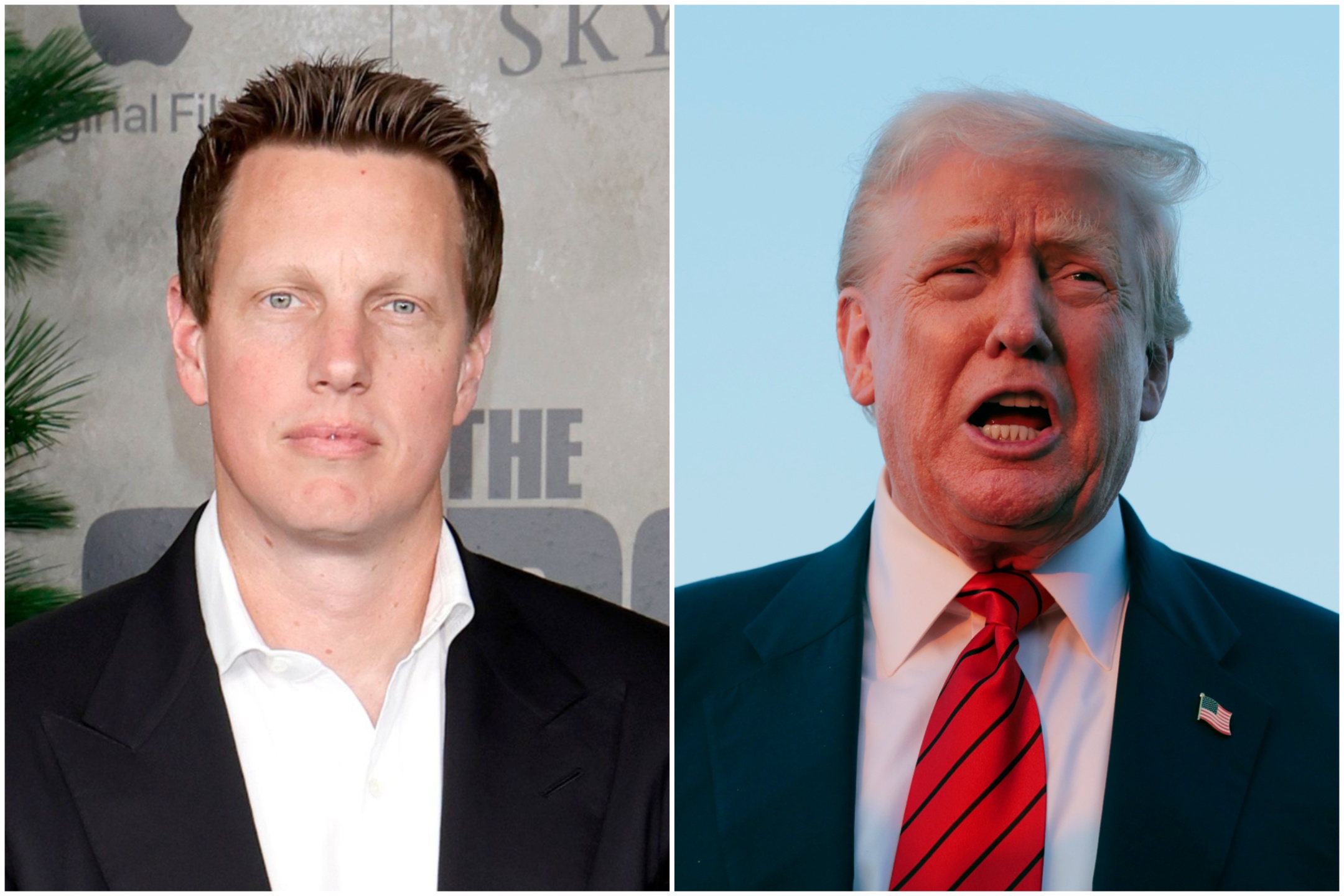
A coalition of twelve state attorneys general asked a federal court on 13 July 2026 to block the $110 billion tie-up of Paramount and Warner Bros. Discovery, the largest proposed combination of two US film and television studios in two decades. The lawsuit, filed in the group's own capacity and led by California, argues that folding Paramount's film, cable and streaming assets into Warner Bros. Discovery's catalogue would concentrate negotiating power over ticket prices, licence fees and the small cable distributors that still carry both companies' channels. It is the most concrete state-level push yet against a deal that has been wending through Washington and New York since early spring.
The suit lands at a moment when the legal ground beneath big-media mergers has shifted visibly. Federal regulators under the current administration have signalled openness to vertical combinations that the previous two administrations would have scrutinised for years. The states are now doing what they argue the federal apparatus will not.
What the attorneys general are actually alleging
California's filing, joined by attorneys general from eleven other states, targets not just the headline price but the downstream effect on price-setting. According to The Verge's 13 July 2026 write-up of the complaint, the states contend that a combined Paramount–Warner would control enough theatrical release slots, library depth and prestige franchise inventory to dictate ticket prices, raise licensing fees for the small and mid-sized cable operators that still distribute both companies' networks, and squeeze the wages and creative leverage of working writers, directors and crew. The complaint characterises the merged entity, in the states' own framing, as a "media behemoth."
The Verge's reporting specifies the practical mechanism the states focus on: contractual leverage. A combined company would, the argument runs, be the indispensable supplier to a thinning field of multichannel video programming distributors, which have already lost millions of subscribers to streaming. In a market with fewer buyers and one larger seller, the seller's terms harden. The complaint cites anticipated ticket-price increases and "crush[ed]" cable distributors, language The Verge quotes directly from the filing.
Twelve states is, in itself, a meaningful coalition. State antitrust actions have been the venue of last resort for plaintiffs who believe federal enforcers have grown accommodating, and the breadth of the coalition (California plus eleven others, across both parties, though the political composition is not detailed in the source material) signals that this is not a one-office publicity bid.
What the deal is, and what is already happening
The proposed $110 billion combination would merge Paramount Global (parent of Paramount Pictures, CBS, MTV, Comedy Central, Nickelodeon, Showtime and the Paramount+ streaming service) with Warner Bros. Discovery (parent of Warner Bros. Pictures, HBO, HBO Max, CNN, DC Studios, the Warner television studios, and a portfolio of cable networks including Discovery Channel, HGTV and TNT). The combined company would be the largest US-controlled film-and-television conglomerate by library size and by theatrical output, and would hold one of the three or four most-watched domestic cable footprints.
The two companies have been negotiating since early 2026, with the principal shareholder negotiations and financing structure reported in the financial press earlier this year. The current lawsuit does not stop that process by itself; it asks for an injunction. Discovery and Paramount are likely to argue, as merging parties have in past consolidations, that the relevant market is the global attention market (encompassing streaming platforms, YouTube, gaming and short-form video), not the traditional film-and-television market the states invoke. That framing choice will determine whether the case is decided on a 1990s-style market definition or a 2020s one.
Why this is also a story about federal posture
State attorneys general do not typically file federal antitrust suits against mergers that the Department of Justice is actively litigating. The mere existence of this complaint, alongside media reporting through the spring and summer that the federal review of the Paramount–Warner combination has been comparatively light-touch, is itself a statement. The states are, in effect, stepping into the role their federal counterparts have been slow to occupy.
This is not the first time a state coalition has done so. The Texas-led suit against Google over its ad-tech stack, joined by a bipartisan group of other attorneys general, proceeded in 2024 and 2025 on a parallel track while federal enforcers pursued their own narrower remedies. The pattern is becoming familiar: when the federal antitrust machinery narrows its focus or slows its pace, state offices organise. The political composition of these coalitions, drawing from attorneys general of both parties, gives the filings insulation that a single state's action would not have.
The merger's fate now runs through at least three tracks: the federal regulatory review, the state lawsuit, and the shareholder and creditor process inside both companies. Each can delay, alter or kill the deal independently.
What remains uncertain
The states' complaint is, at this stage, an opening move. Several material questions are not yet resolved by the source material available. The complaint's specific dollar-figure estimates of consumer harm are not detailed in the Telegram and Verge coverage the pipeline has access to. The identity of all twelve attorneys general, beyond California's lead role, is not enumerated in the cited reporting. And the merger's response, whether from the companies themselves or from federal regulators, has not been captured in the current source set.
What is documented is the filing's date (13 July 2026), its price tag ($110 billion), the market mechanism it invokes (price-setting leverage over theatres and cable distributors), and the headline framing ("media behemoth") the states have chosen to deploy in court. The narrative arc from here depends on whether the federal review is broadened, whether a court grants a preliminary injunction, and whether the parties restructure the deal to shed assets in advance of a trial.
The broader question is structural. The US entertainment industry has spent fifteen years consolidating through deals large and small. Each has been defended, at filing, on the grounds that scale is necessary to compete with global streaming platforms. Each has also reduced the number of independent buyers of creative work and the number of independent sellers of distribution. The state attorneys general are arguing, in plain language, that the bill for that arithmetic is now coming due at the box office and on the cable bill. The companies will argue the opposite. A court will decide which framing the law permits.
Desk note: Monexus has framed this as a state-led counterweight to a permissive federal merger review, rather than as a partisan culture-war story. The wire coverage of the filing is itself thin on the legal merits and heavy on the spectacle of the price tag; this piece foregrounds the contractual-leverage argument at the centre of the complaint.
Wire provenance
This editorial synthesis draws on the following public wire/social posts:
- https://t.me/theverge_news
- https://t.me/theverge_news/
- https://x.com/pirat_nation/status/