Washington wants the war's bill, Tehran wants the peace's price
CNN is doing the cost arithmetic the Pentagon would rather not. Tehran is reminding anyone listening that the last time America promised a deal, the deal did not hold.
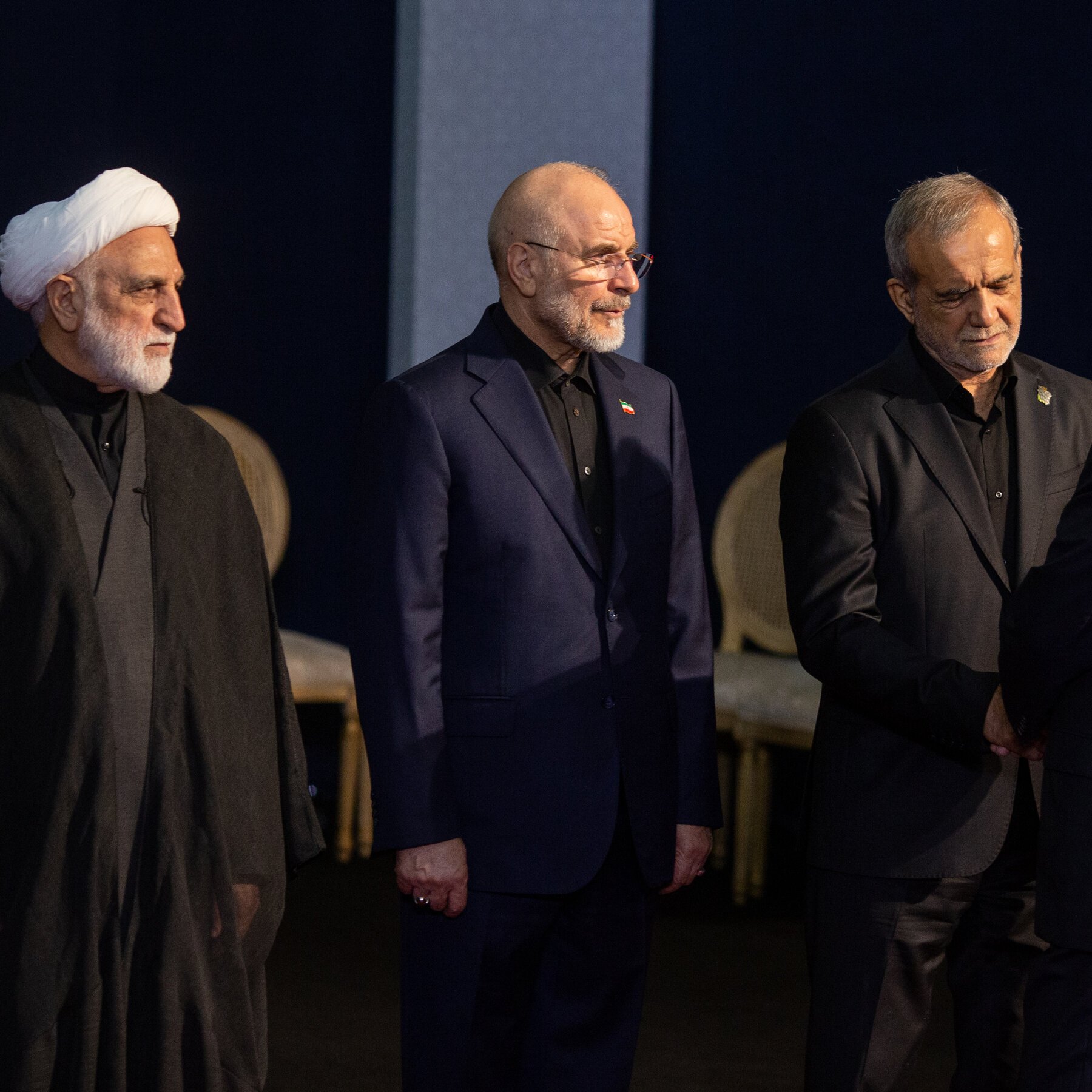
On 13 July 2026, Iran's Al Alam network carried a CNN report warning that the United States would shoulder substantial military costs if a war with Iran continued. The same day, Press TV laid out the extent of what it called Israeli military assaults against Iran, the complicity of regional players, and the longer-term ambitions of "the Zionists and the United States." And Fars News published an X post from American reporter Rick Sanchez arguing that it was Washington, not Tehran, that violated the existing ceasefire. Three outlets, three frames, one war.
The pattern is familiar: each side picks the camera angle that flatters its position. CNN runs the cost ledger. Tehran's state-aligned networks run the grievance ledger. Sanchez runs the blame ledger. The reader is left to stitch them together.
The arithmetic America is doing
CNN's framing, as transmitted by Al Alam on 13 July 2026, is the one Western capitals most want their publics to absorb: a war with Iran is not a budget line, it is a balance-sheet event. The report discussed the possible consequences of continued conflict and the military costs the United States would bear. The implicit argument is that deterrence has a price, and the price compounds. Tomahawk replacements, carrier strike group rotations, interceptor stockpiles, fuel, basing access, and the second-order insurance the United States quietly underwrites for Gulf shipping, none of it appears on a single line, and all of it rises the longer the shooting continues. When a Western wire reaches for the cost angle, it is usually because someone in Washington has decided the public can stomach a longer war only if it is framed as a finite investment rather than an open commitment.
The grievance Tehran is broadcasting
Press TV's framing on the same day is the mirror image: an inventory of Israeli military assaults against Iran, the complicity of regional players, and the longer-term ambitions of what it called "the Zionists and the United States." Read in isolation, it reads as polemic. Read alongside the Al Alam/CNN report, it reads as positioning. Tehran is signalling, to anyone who will listen, that the war it is being asked to de-escalate is a war it experiences as unprovoked escalation. The grievance ledger matters because every future negotiation will be reopened from it. Sanctions relief, nuclear file, regional détentes, none of them start from a clean page; they start from the page Press TV is rewriting daily.
The blame game before the next round
The Fars News item is the smallest of the three but arguably the most telling. Rick Sanchez, an American journalist, posted on X that it was America that violated the ceasefire, not Iran. The point is not whether Sanchez is right. The point is that Tehran's information ecosystem has already moved past the question of whether the ceasefire will hold and on to the question of who broke it first. When the next round of talks opens, that framing is the one Iranian negotiators will carry into the room, and it is the one their domestic media will repeat until it is treated as common sense.
What the framing fight actually decides
Western cost arithmetic and Iranian grievance arithmetic look like different conversations. They are not. They are competing claims about who has more to lose from a return to full-scale fighting. CNN's ledger argues that American taxpayers eventually balk. Press TV's ledger argues that Iranian publics have already absorbed the cost and will absorb more. Sanchez's post argues that the United States lost the moral high ground before the latest round began. Each is a forecast about the other side's pain tolerance, and the side that overestimates its opponent's pain tolerance tends to be the side that escalates into a wall.
The honest read of 13 July 2026 is that the war is not being decided on the battlefield right now. It is being decided in the camera angles. CNN is trying to make the war unaffordable to describe. Press TV is trying to make it unaffordable to start. Sanchez is trying to make it retroactively indefensible. Whoever owns the frame when the next negotiation begins will own the terms of the deal.
What remains genuinely uncertain is which frame the Trump administration, the Israeli war cabinet, and the Iranian negotiating team are actually reading. The sources published on 13 July do not name a specific date for renewed talks, do not specify a casualty count since the last reporting window, and do not name a particular incident that broke the ceasefire. The three threads we have are framings, not facts on the ground. The facts will arrive in the next reporting cycle. The framings are already locked in.
This publication treats the cost arithmetic and the grievance arithmetic as two halves of the same negotiation. The wire that runs only the cost line is not wrong, but it is incomplete.
Wire provenance
This editorial synthesis draws on the following public wire/social posts:
- https://t.me/alalamfa
- https://t.me/presstv
- https://t.me/FarsNewsInt
Follow the event.
These dated source records provide context. They do not retrospectively verify this archive article.
Separate what the nuclear watchdog reported from what it could not determine after the June 2025 strikes.