The ‘no-makeup makeup’ premiere and the new economics of celebrity beauty
At the New York premiere of ‘The Odyssey,’ Zendaya’s pared-back look did more than dodge flashbulb glare. It signalled how celebrity beauty has migrated from glossy spectacle to quiet product endorsement, and what that means for a beauty industry now built on accessibility theatre.
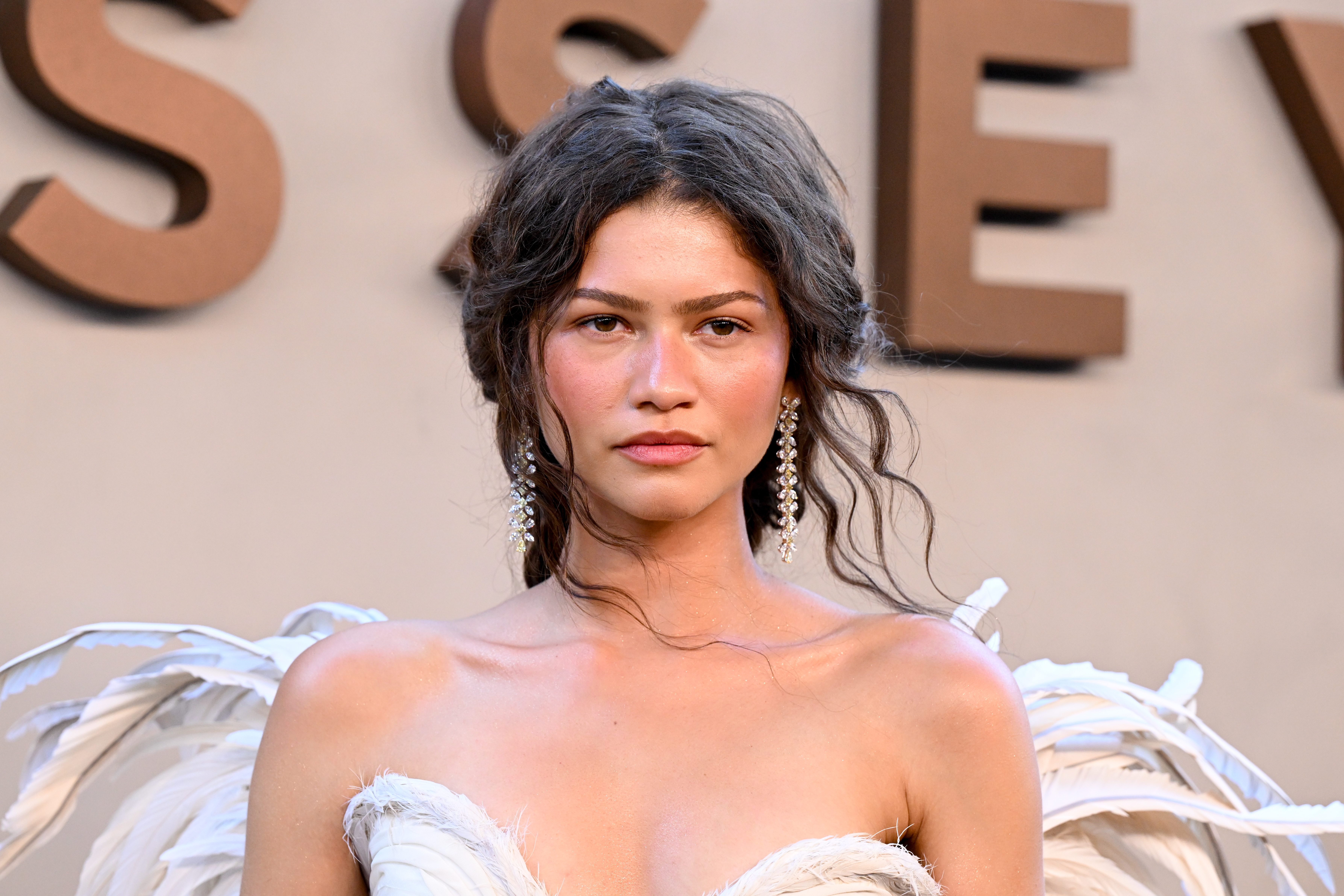
The hundreds of fans gathered outside AMC Lincoln Square on the night of 14 July 2026, along with the packed pit of photographers on the carpet, caught a glimpse of Athena incarnate. Variety’s beauty desk reported that the look was achieved with five named products, a deliberately short list for a red carpet that historically rewards an armory of base, concealer, and setting powder. The headline detail was not the dress, nor the styling of the rest of the cast, nor even the film itself, an adaptation of Homer whose cultural footprint needs no introduction. It was the cosmetics.
There is a reason the wire chose to lead with products rather than the picture. Celebrity beauty coverage has, in the last three years, migrated from glossy prose about gowns to product-by-product receipts. Variety’s ‘Odyssey’ premiere dispatch is the latest iteration of a template perfected during awards season: an actress arrives, the photographer grid produces a single usable frame, and the trade publication reconstructs the face in numbered steps. The output reads like a shopping list because, increasingly, it is one.
From glamour to product placement
The old glamour economy was vertical. Studios paid for magazine covers, magazines paid for celebrity access, advertisers paid magazines. Beauty brands paid for the privilege of being on set. The reader was three hops downstream from the transaction and mostly unaware of it. The new economy is horizontal. The same celebrity posts the look on her own feed within hours, names the brands in the caption or the comments, and the wire republishes the list. The studio saves on the magazine cover. The brand saves on the media buy. The trade publication captures the search traffic.
The five-product constraint is the commercial tell. A longer list signals effort; a shorter list signals taste. Both are legible to the consumer. The premium positioning that beauty conglomerates have spent two decades building rests on the fiction of effortless restraint. A parade of fifteen products breaks the spell. Five preserves it.
It also compresses the funnel. A reader who closes the article with five names is, functionally, one search away from a cart. The trade publication has, without selling a thing, performed the upper half of a sales funnel for a category that, by industry estimates tracked by outlets from WWD to Vogue Business, runs on double-digit growth in celebrity-adjacent SKUs. The economics of red-carpet coverage now look more like affiliate commerce than editorial.
The ‘no-makeup makeup’ doctrine
The phrase itself is a masterwork of category management. ‘No-makeup makeup’ concedes, in the same breath, that makeup was worn. The category exists because the dominant cultural script for female celebrity now privileges naturalism over artifice, a script that itself is the product of a decade of contouring backlash and a market hungry for ‘skin care as makeup.’ Brands that read the shift early, the Glossier era, then the ‘clean beauty’ migration, now the ‘skinification’ of base products, captured the share. Brands that did not are buying their way back in through celebrity contracts.
Zendaya is the cleanest test case in the business. Her public appearances have, for years, oscillated between high-fashion maximalism (the structural shoulder pads, the chrome breastplates) and a near-bare-faced default. The ‘Odyssey’ premiere belongs to the second register, which is the one that converts. Her stylists and beauty partners have understood, correctly, that the maximalist looks build prestige and the minimal ones build baskets. The trade press treats both as news, but only one of them moves merchandise.
The framing is also a quiet rebuke to the older celebrity-beat assumption that red-carpet coverage is about spectacle. The Variety dispatch is not about spectacle. It is about a reading public that has been trained to treat celebrity faces as instruction manuals. The five-product list is the modern descendant of the recipe card. The reader is invited to cook the look at home, at a price point the brand has already set for accessibility.
Counterpoint: the labour question
The ‘effortless’ framing deserves the scepticism this publication usually reserves for financial-disclosure language. A five-product routine performed in a stylist’s chair, lit by a cinematographer’s key light, photographed through a long lens and colour-graded for print, is not a five-product routine. It is a small industrial process. The ‘no-makeup makeup’ label is, structurally, a misclassification of labour, in the same way that a ‘home-cooked meal on the farm’ advertisement misclassifies the distance between a chicken and a thigh.
There is a second counterpoint that the celebrity-beat coverage rarely surfaces. The ‘accessibility’ framing, five products, attainable prices, achievable at home, elides the fact that the average viewer of the carpet photos is not the average purchaser of the listed SKUs. Beauty-industry sales data, when it surfaces in trade publications, consistently shows that the bottom three quintiles of earners spend a higher share of income on appearance-adjacent goods than the top quintile. The ‘natural’ look is, in that sense, a regressive tax. The five-product list flatters the reader who can afford it and burdens the reader who cannot, even as both interpret it as attainable.
A third, more charitable reading: the ‘no-makeup makeup’ doctrine genuinely does, in aggregate, raise the floor. The cultural permission to be seen without heavy contour is, on net, a less coercive beauty script than the one it replaced. The economic structure that delivers that permission is extractionary. Both can be true.
What the trade press is, now
The Variety dispatch is also worth reading as a signal about the trade publication itself. A decade ago, a film premiere of this scale would have generated a fashion story, a beauty story, a photography story, and a film story, each in their respective verticals, with their respective advertisers. The convergence into a single numbered list reflects a trade-press business model that has consolidated around a narrower revenue base and is, accordingly, more willing to behave like commerce. Editorial and affiliate are no longer separated by a firewall. They share a CMS.
The wire’s choice to lead the carpet with products rather than the film is, in that light, a structural disclosure. The publication has decided that the highest-value reader interaction is the one that converts to a basket, and the carpet is the conversion event. The ‘Odyssey’ franchise will get its coverage elsewhere, in outlets with longer attention spans and higher CPM floors. The trade press has its own P&L to satisfy, and the P&L now speaks the language of products.
Stakes
For the studios, the trade press’s product-pivot is a quiet subsidy. They get a premiere-news cycle without paying for it, and the beauty brands get the screen time. For the beauty conglomerates, the celebrity-beat contract is now a more efficient media buy than the magazine cover was in 2015, with better attribution. For the reader, the cost is a slow loss of separation between editorial and commerce. The five-product list is delivered as a service. It is also a sale. The next twelve months will tell whether the trade press can hold both registers at once, or whether the cosmetic shelf and the newsroom will finish merging.
The sources do not specify the contractual terms between Zendaya’s representation and the named brands, and this publication does not assume them. What they do show is a trade press that has reorganised itself around the assumption that the reader will shop.
Desk note: Monexus has framed the premiere wire as a commercial-text event rather than a celebrity-glamour event. The wire itself leads with product; the framing here asks why.