Iran releases drone-strike footage as reports of US troop injuries surface
Iranian state media on 17 July 2026 aired footage it described as retaliatory drone attacks on US positions in Jordan and Kuwait, as CBS reported US personnel had been injured in the strikes.
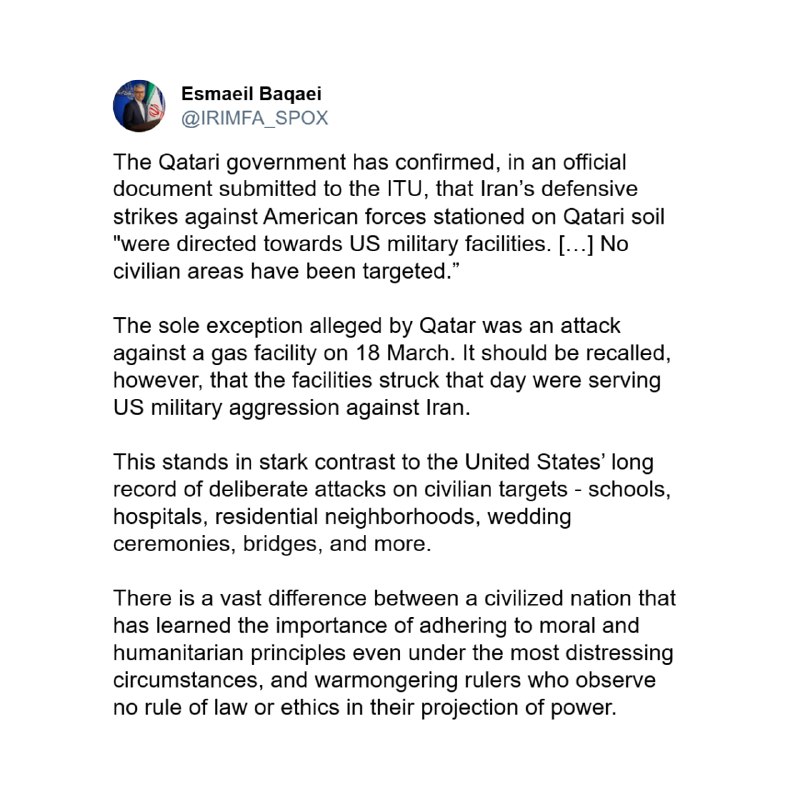
Iranian state media began circulating footage in the early hours of 18 July 2026 that it identified as retaliatory drone strikes against US military positions in Jordan and Kuwait, even as a US network reported that American service members had been injured in the operation. PressTV posted the first clip at 23:43 UTC on 17 July, followed within minutes by a longer compilation aired at 00:14 UTC on 18 July under the headline "Iran releases footage of retaliatory drone attacks against US assets in Jordan and Kuwait." The Tasnim news agency reported, in two near-simultaneous bulletins at 23:30 and 23:31 UTC on 17 July, that the sound of explosions could be heard continuing in both Kuwait and Jordan, framing the strikes as still underway. By 22:41 UTC on 17 July, the Telegram channel Middle East Spectator had already carried a CBS-sourced line stating that US soldiers were injured in Iran's recent strikes on Jordan, an account that gave the Iranian footage its most concrete Western hook.
The shape of the incident is becoming clear, even as the underlying trigger remains opaque. PressTV characterised the strikes as retaliation; the immediate precipitant was not stated in any of the wire items available at the time of writing. What is on the record is sequence and geography: Iranian drones struck targets described as US bases in Jordan and Kuwait, Iranian outlets broadcast footage of the operation as it unfolded, and a US network has independently reported injuries among American personnel. Until Western wire services run their own verified casualty figures and target descriptions, the dominant public picture is being assembled from Iranian state-aligned sources and a single network attribution.
The footage and what it shows
The two PressTV clips, posted 31 minutes apart, function less as battlefield documentation than as Iranian state messaging. The earlier item, timestamped 23:43 UTC, carried the qualifier "reportedly shows Iran's retaliatory strikes against US bases in Jordan," while the later compilation, at 00:14 UTC on 18 July, extended the claim to Kuwait and dropped the hedge. Neither clip has been independently geolocated or weapon-identified in the available reporting. In a conflict where footage is itself a weapon, the choice to release imagery within minutes of an operation, before any US or Jordanian confirmation, points to an audience-management strategy rather than a forensic record. The Tasnim bulletins, stripped of visual material and reduced to a single repeated line about continuing explosions, offer the same story in a different register: an event still in motion, narrated by the side that struck.
The Western hook
The most consequential data point in the cluster is not Iranian but American. CBS, cited via the Middle East Spectator Telegram channel at 22:41 UTC on 17 July, reported that US soldiers were injured in Iran's strikes on Jordan. The single-source provenance matters: the claim is being transmitted through an aggregator channel, not yet corroborated by a Reuters or AP wire. If the CBS report holds, it sets the baseline casualty frame that the rest of the coverage will inherit. If it does not, the Iranian footage becomes the only public artefact of the night, and the world's read of events will have been constructed almost entirely from the attacker's own cameras. That second outcome is the one to watch, because the sequencing favours it: Iranian releases came first, and the Western confirmation arrived secondhand, late, and via Telegram.
A wider pattern of calibrated signalling
Strikes against US assets in Jordan and Kuwait, framed as retaliation, fit a pattern that has defined the past year of Iranian signalling: operations calibrated to register with Washington and the Gulf without producing a body count that demands an escalatory reply. Reporting the strikes on Iranian outlets within minutes, rather than waiting hours or days, accelerates the political signal at the cost of operational security. Broadcasting footage to a global audience converts a tactical event into a strategic message: Iran can reach US forward positions, can do so with loitering munitions that have already penetrated air defences, and can narrate the outcome in real time. The implicit offer, familiar from previous episodes, is that Iran will continue to demonstrate capability at a tempo of its own choosing, so long as the cost remains tolerable on both sides.
What remains contested
Three things the sources do not yet resolve. First, the trigger event. PressTV's use of "retaliatory" presumes a prior Iranian grievance, but the nature, timing, and addressee of that grievance are not stated. Second, the casualty count. CBS's line that US soldiers were injured is single-sourced through a Telegram relay; the number, the unit, and the severity are absent. Third, the target set inside Jordan and Kuwait. Iranian and Iranian-adjacent reporting describes strikes on "US bases" without naming installations, and Jordanian or Kuwaiti official confirmation is not present in the available feed. Until Reuters, AP, the US Central Command, or the Jordanian and Kuwaiti governments publish their own accounts, the public ledger will continue to lean heavily on the side that struck.
This article is built on Telegram-sourced reports from Iranian state outlets and the Middle East Spectator aggregator. Where CBS was cited, the citation arrived through a third-party channel rather than a direct CBS bulletin. Monexus will update when Western wire confirmations become available.
Wire provenance
This editorial synthesis draws on the following public wire/social posts:
- https://t.me/presstv/
- https://t.me/presstv/
- https://t.me/tasnimplus/
- https://t.me/tasnimplus/
- https://t.me/Middle_East_Spectator/
Follow the event.
These dated source records provide context. They do not retrospectively verify this archive article.
Separate what the nuclear watchdog reported from what it could not determine after the June 2025 strikes.