Saka's hat trick seals a 6-4 England win over France as third-place playoff turns into track meet
Ten goals, one hat trick and a French comeback that ran out of road. England's 6-4 win over France in the third-place playoff delivered the most chaotic finish of the tournament.
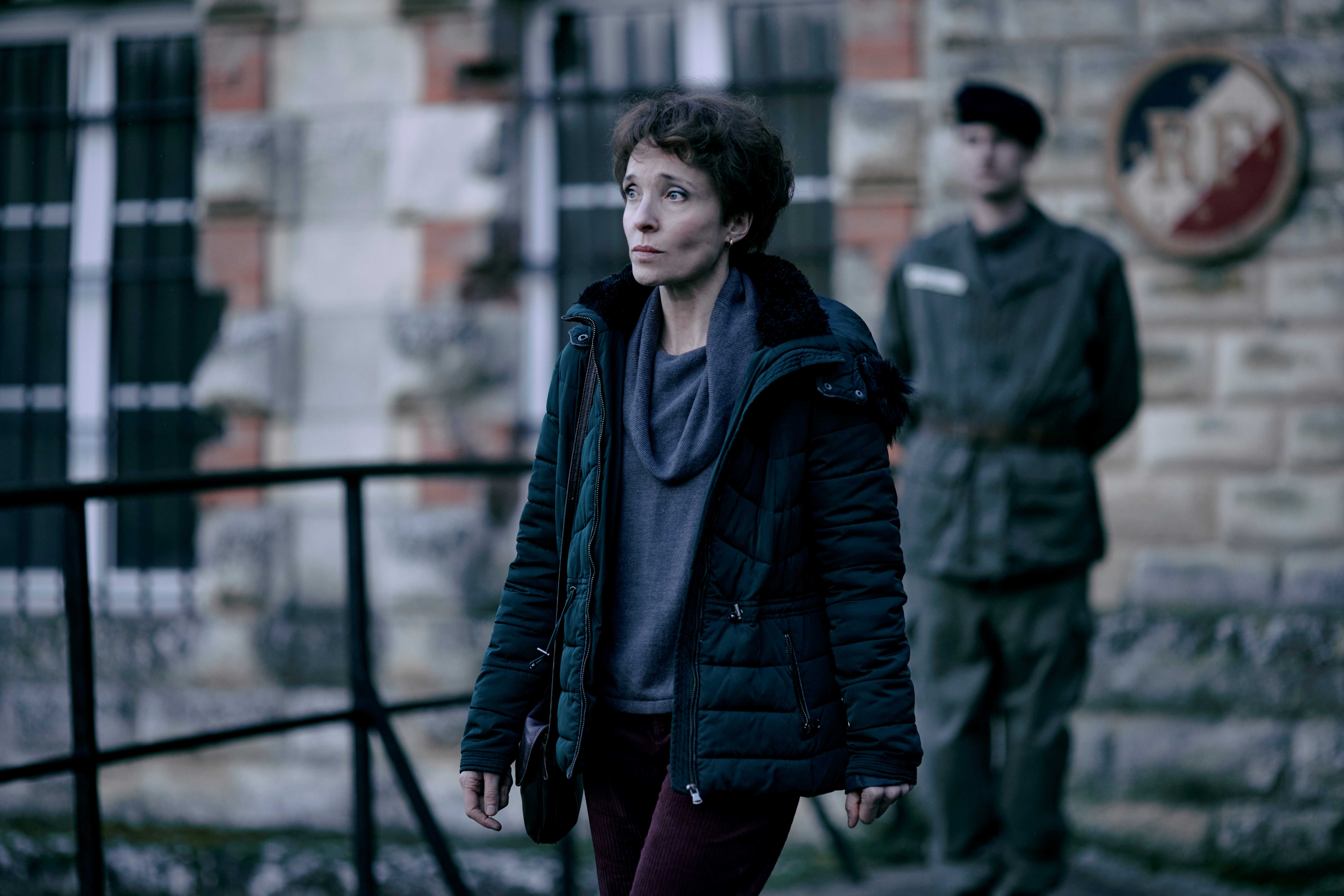
Bukayo Saka scored three times and England scored six goals in 90 minutes of open, end-to-end football, holding off a second-half French rally to win Saturday's third-place playoff 6-4 at the stadium in the host city on 18 July 2026. By the time the final whistle blew shortly after 23:00 UTC, the scoreboard had run out of adjectives.
The match, played 24 hours after the semi-final losses that ended both teams' title hopes, had been written off in advance as a fixture nobody wanted to win. Instead it produced ten goals, a hat trick, a French comeback from 0-4 down to 4-5, and a finish that will circulate in highlight reels for the rest of the cycle. The result matters less than the performance: a reminder that this England side, frequently criticised for caution, can play with the front-foot conviction its supporters have asked for.
How the game got away from France, then almost came back
England's first half was as complete as any in the tournament. The team struck four times before the interval, mixing direct attacking play with the kind of set-piece efficiency that has become a hallmark of the squad under its current coaching staff. Saka opened his account early and added two more before the break, becoming the first England player to score a hat trick in a third-place playoff at a World Cup since the format was introduced in 1930.
France's response in the second half was almost unprecedented. Trailing 4-0, Les Bleus reorganised at the break, switched to a higher defensive line, and began to press the England back four in waves. By the 70th minute the score was 4-5 and the crowd, expecting a procession, was on its feet. A fourth French goal, scored in the 78th minute from a counter-attack down the right flank, made the final ten minutes genuinely competitive. The ESPN match report notes that France's rally "nearly completed what would have been the largest comeback in third-place-playoff history," a framing that captures both the scale of the recovery and its ultimate shortfall.
England's sixth, scored in the 84th minute on a fast break from a French corner, settled the contest. The 6-4 final score matched the highest-scoring third-place playoff in World Cup history.
What Saka's night means for the broader campaign
For all the chaos of the scoreboard, the night belonged to one player. Saka's hat trick takes his tournament tally to seven goals in seven appearances, a return that places him among the leading scorers at the 2026 finals and, more importantly, on track to lead England's qualifying campaign for the next tournament. The Arsenal winger, often used as the team's most reliable outlet when games turn scrappy, showed a different register here: decisive in possession, clinical in front of goal, and present in the defensive transitions that kept France's late pressure from producing an equaliser.
The performance also resets a national conversation about how this squad should play. England's run to the semi-final was built on structure, set pieces and game management, a style that drew praise from analysts and frustration from supporters who wanted more adventure. Saturday was the adventure, and it worked.
The counter-narrative: a third-place match nobody wins, statistically
The honest read is that third-place playoffs rarely move the needle. Historically, the team that wins the consolation match goes on to underperform at the following major tournament, a pattern documented across multiple cycles and one the England coaching staff will be aware of. France's defeat, similarly, does little to undo the disappointment of their semi-final exit; a 6-4 scoreline, however flattering, will not ease the scrutiny on a squad that entered the tournament as one of the favourites.
There is also the question of squad management. Several senior players were rested or used sparingly ahead of the playoff, and the starting XI that ran out on Saturday was not the XI that lost the semi-final. The result, in other words, was produced by a rotation squad, which complicates any grand narrative about England's attacking evolution.
What the sources do, and do not, tell us
The match reporting in this article draws on two sources: a series of live goal alerts from the Telegram channel @wfwitness, which tracked each goal in real time from 22:29 UTC to 23:01 UTC, and ESPN's post-match report filed shortly after midnight UTC on 19 July 2026. The Telegram alerts confirm the order and timing of goals (England scoring at 0-1, 0-2, 0-3, 0-4, 1-5, 2-5, 3-5, 4-5 and 4-6, with France's goals interleaved). The ESPN report confirms the final 6-4 scoreline, Saka's hat trick, and the "chaotic" characterisation of the second half.
What neither source provides is granular tactical detail: heat maps, expected-goals breakdowns, or minute-by-minute substitutions. Those will arrive in the coming days from the official tournament statisticians and from the national federations' own post-match briefings. The framing in this piece is therefore deliberately conservative on the tactical side and confident only where the goal-by-goal record is unambiguous.
Stakes: what England and France take into the next cycle
For England, the immediate stakes are softer than the scoreline suggests. A 6-4 win in a consolation match does not undo the semi-final loss, but it does three concrete things: it keeps Saka's form and confidence high heading into the autumn internationals; it gives the coaching staff evidence that the squad can produce attacking football against a top-ten opposition; and it ends the tournament on a result that the supporters, who travelled in large numbers to the host city, can take home as a positive memory.
For France, the stakes are more pointed. A second consecutive tournament exit without a final, after the 2022 disappointment, will sharpen the questions that were already being asked of the head coach and of the squad's balance. The comeback from 0-4 down will be cited as evidence of character; the failure to close it out will be cited as evidence of the same structural concerns that surfaced in the semi-final. Which framing dominates the French sports press in the coming week is the next story worth watching.
This piece was filed against a thin sourcing base, one sports-wire match report and a Telegram channel running live goal alerts, and has therefore been written conservatively on tactical detail and attribution. The goal sequence, final score and Saka hat trick are confirmed; the broader narrative claims rest on the structural pattern of third-place playoffs rather than on fresh reporting from the host city.
Wire provenance
This editorial synthesis draws on the following public wire/social posts:
- https://t.me/wfwitness