The Tates land in US federal custody: what Miami's sealed warrant tells us, and what it doesn't
Federal officers picked up the Tate brothers in Miami on 18 July 2026. The warrant is sealed, the charges undisclosed, and the UK is already moving to extradite.
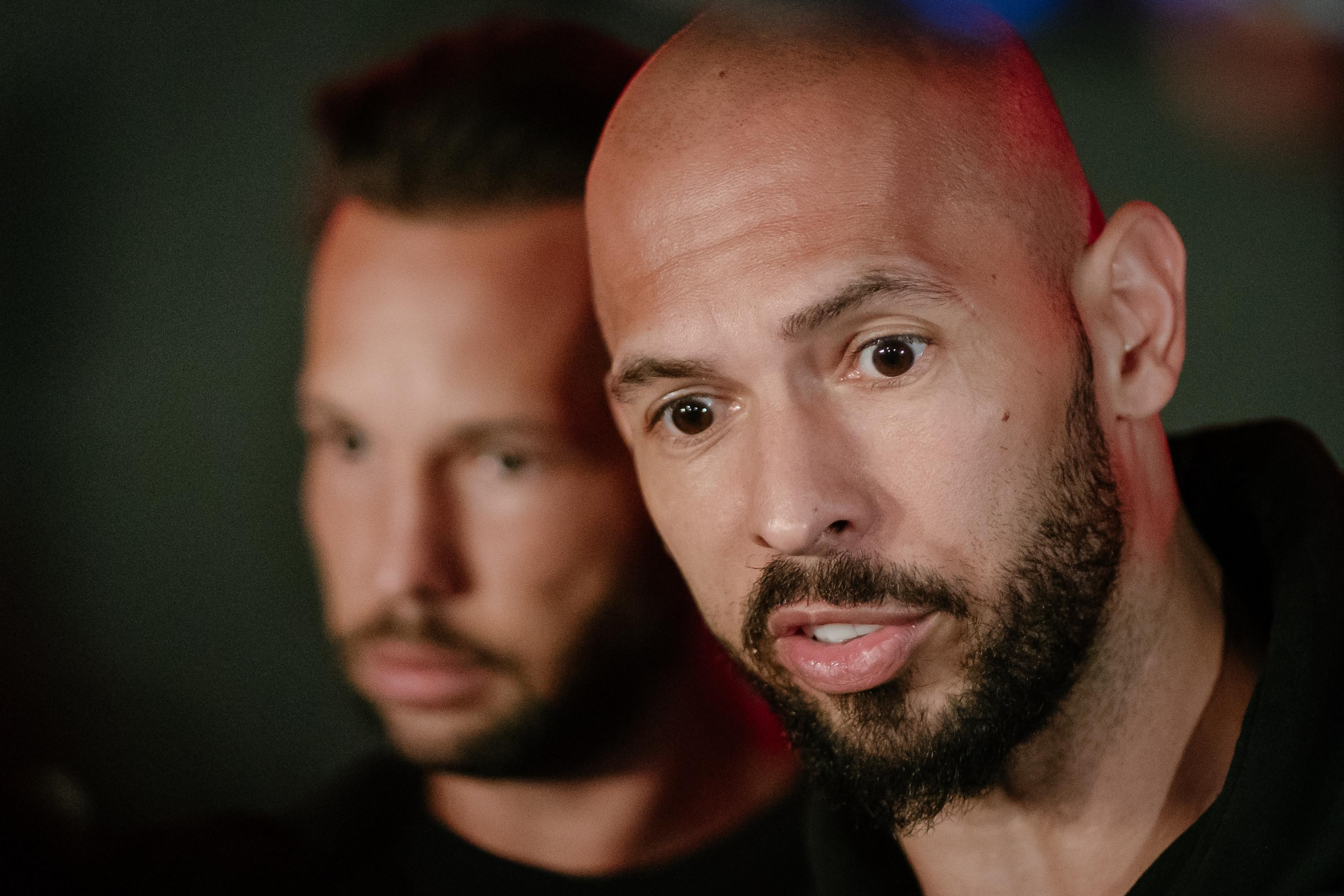
Federal officers took Andrew and Tristan Tate into custody in Miami late on 18 July 2026, according to Telegram-channel reporting that cited US federal sources. The news broke across at least three independent channels between 23:44 UTC and 01:18 UTC the next morning, with insiderpaper, OSINTLive (republishing Disclose.tv), and DDGeopolitics all converging on the same core facts: the brothers were arrested, the warrant was sealed, and the United Kingdom's Crown Prosecution Service has already moved to prosecute them on a separate slate of allegations dating to 2010-2017 and intends to seek extradition.
The American arrest and the British prosecution are two halves of one story, and the gap between them is where the legal substance will be fought. The US warrant's charges remain undisclosed; the UK case is older, broader, and built on a different evidentiary record. What is clear is that the Tate brothers' decade-long run between jurisdictions is closing.
What actually happened in Miami
Per DDGeopolitics and OSINTLive, federal authorities, not local Miami-Dade officers, made the arrest. The distinction matters. Federal jurisdiction pulls the case into the US Department of Justice and, by extension, into the State Department once an extradition request is filed. A local charge would have stayed in Florida state court and would have generated a very different news cycle.
The warrant is sealed, which means the charging documents, the affidavit, and the specific statutory basis for the arrest are not on the public docket. That is unusual but not extraordinary: sealed federal warrants are routine at the arrest stage when investigators want to preserve the integrity of co-conspirator testimony, protect witnesses, or prevent the destruction of evidence before a partner agency executes its own actions. The price of secrecy is opacity, until the indictment is unsealed, every claim about what the brothers "actually" did is reconstruction, not reporting.
What the channels that broke the story do agree on: the brothers are in custody, the arrest was federal, and the UK is the moving party on the other side of the Atlantic.
The UK case that was already running
The Crown Prosecution Service confirmed on 18 July 2026 that it is prosecuting the Tate brothers for additional alleged offences dating from 2010-2017 and will seek extradition, according to reporting carried by OSINTLive citing Disclose.tv. The "additional" is doing work in that sentence. The Tates have faced UK proceedings before; Romanian authorities separately pursued a trafficking case that has worked its way through Bucharest's courts for years. The CPS framing implies that this is a third jurisdiction's account, layered on top of the others, drawing on a longer evidentiary timeline than either the US or Romanian files.
The alleged offences referenced by the CPS span rape, sexual assault, trafficking and assault, per the insiderpaper dispatch. The 2010-2017 window places the earliest conduct in the brothers' pre-public-figure years, well before Andrew Tate's kickboxing career and the online persona that made him a global brand.
Why the timing matters
Federal arrests on sealed warrants do not get scheduled for the convenience of news cycles. They get scheduled around operational windows: an informant whose cover is about to blow, a co-defendant about to flee, a parallel action in a partner country that makes delay risky. The CPS statement is dated to the same day as the Miami arrest. That synchronicity suggests the two operations were coordinated, not coincidental.
If the US and UK moves were running on a joint operational timeline, the sealed warrant becomes less mysterious. The DOJ typically keeps an indictment under seal when a foreign partner is about to act in its own jurisdiction, so that one side does not tip off suspects to the other. The UK announcing its own prosecution the same day is consistent with that playbook, not with a US case that happened to swallow a UK one.
The alternative read is simpler and less flattering: federal prosecutors moved when they had enough to move, the UK happened to file the same day, and the parallel timing is coincidence. Without access to the docket, both readings sit on the table. The first is the more institutionally plausible of the two.
What remains unseen
Three things are missing from the public record and will define what happens next.
First, the unsealed indictment. Until the US Department of Justice files an unsealed charging document, typically at the initial appearance or arraignment, there is no verifiable list of counts, statutes, or named complainants. Reporting that asserts specific US charges at this stage is speculation, not sourcing.
Second, the extradition pathway. The UK has signalled intent. The US will rule on whether to surrender its own federal defendants through a process that runs from the State Department to a magistrate judge. The Tate brothers' US defence team will have every incentive to fight surrender on the grounds that the UK case duplicates the US one, or that the alleged conduct is older than the extradition treaty's statute of limitations, or both.
Third, the Romanian proceedings. Bucharest's file has been the longest-running of the three and the only one to reach a courtroom verdict. How the US and UK moves intersect with Romania's case is the jurisdictional puzzle that will take months to assemble.
What we verified / what we could not
Monexus can confirm, on the basis of the source items in this thread, that federal officers arrested Andrew and Tristan Tate in Miami on 18 July 2026; that the arrest warrant is sealed; that the UK Crown Prosecution Service announced the same day that it is prosecuting the brothers on allegations dating from 2010-2017, including rape, sexual assault, trafficking and assault; and that the CPS has signalled an intent to seek extradition.
Monexus cannot confirm from these sources: the specific federal charges filed in Miami, the identity of any US complainant or co-conspirator, whether the US and UK operations were formally coordinated, the current location of the brothers within the federal system, or the state of any Romanian parallel proceedings. The sources do not specify these items. Readers should treat any further detail circulating on social media as unverified until it surfaces on a US federal docket.
The structural frame
The Tate case has become a stress test for transnational trafficking enforcement. Three jurisdictions, three legal systems, three different evidentiary standards, and a defendant profile built on cross-border mobility and an audience that does not respect borders. What Miami produced is not a verdict. It is a procedural event that converts a sealed investigative file into a custody status, and a custody status into an extradition lever.
For prosecutors in London, Bucharest and Washington, the structural interest is showing that the same conduct can be prosecuted in three systems simultaneously without those prosecutions collapsing into each other. For defence teams, the structural interest is the opposite: finding the seams between jurisdictions and arguing that one sovereign's case should not be allowed to borrow from another's evidence.
The next dated beat to watch is the unsealing of the US indictment. Until then, Miami is a frame, not a fact.
Desk note: Monexus treats the Tate case as a multi-jurisdictional law-enforcement story, not as influencer gossip. The thread sources are Telegram dispatches from independent channels; we have not padded the citation ledger with wire URLs that did not exist on the input. Where the federal docket is sealed, this publication declines to fill the gap with speculation.
Wire provenance
This editorial synthesis draws on the following public wire/social posts:
- https://t.me/insiderpaper
- https://t.me/osintlive
- https://t.me/DDGeopolitics
- https://t.me/DDGeopolitics
- https://en.wikipedia.org/wiki/Andrew_Tate
- https://en.wikipedia.org/wiki/Extradition_between_the_United_Kingdom_and_the_United_States