AI funding shows strain as SpaceX softens; Jakarta's IPO freeze runs in parallel
Two Nikkei Asia wires dated 2 August 2026, plus a Polymarket read on SpaceX earnings, sketch two contemporaneous conditions: borrowing costs on AI capex are climbing and the SpaceX transaction that bullish investors had been underwriting has cooled, while Indonesia's quality-led exchange reform has thinned its listings pipeline.
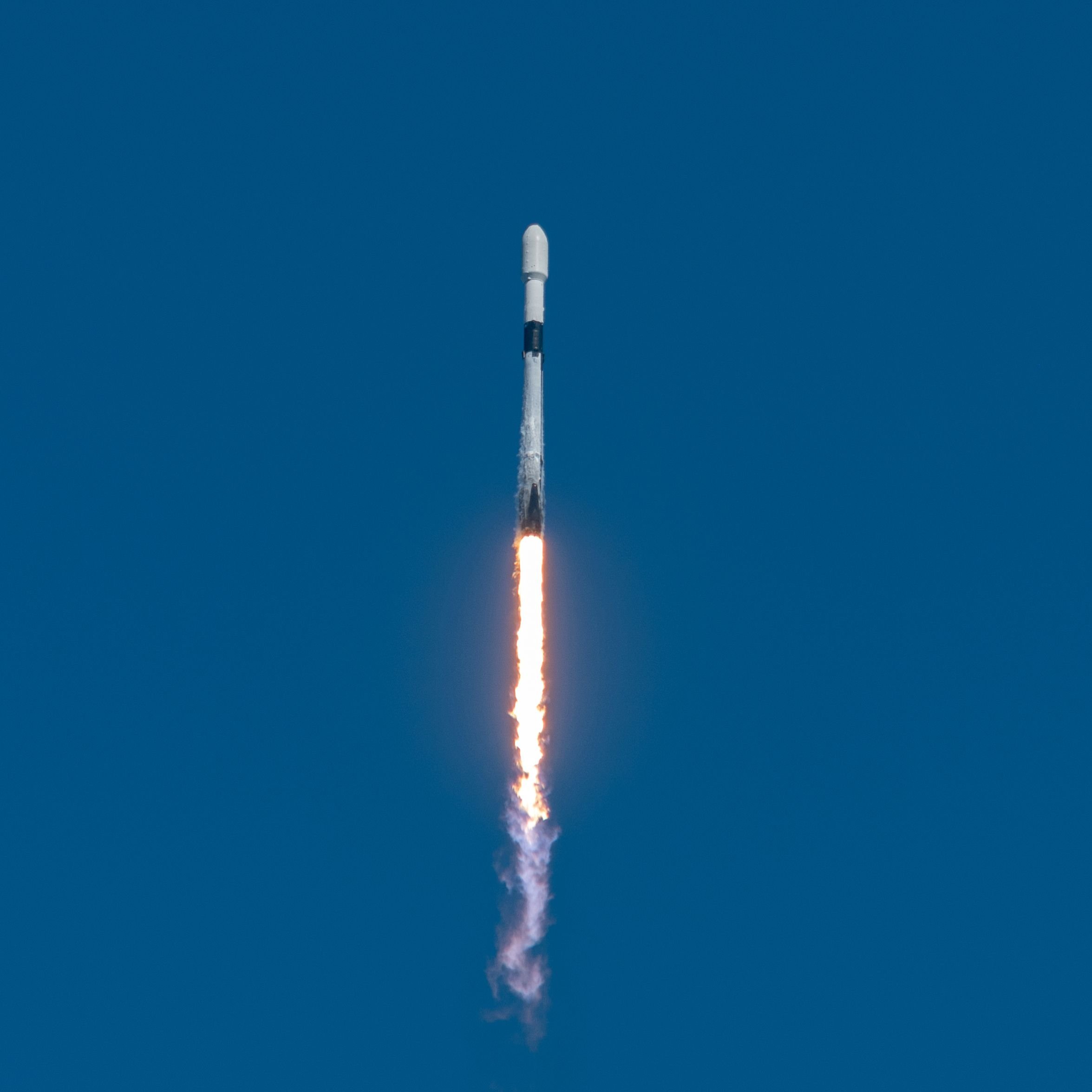
A Nikkei Asia wire filed on 2 August 2026 at 20:31 UTC, headlined "AI funding spree shows signs of strain: higher borrowing costs, SpaceX sell-off," describes big US technology companies scrambling for billions of dollars to fund their AI buildout at the same time as bullish investors underwriting the deal flow are described in the cited excerpt as "beginning to seem less confident." Roughly thirty minutes later, at 21:01 UTC the same day, a parallel Nikkei brief out of Jakarta reports that Indonesia's IPO market is stalling because quality-led reforms at the country's bourse are deterring issuers. On the same afternoon, Polymarket posted a market-implied 89% probability that SpaceX would beat its upcoming earnings print, a confident read on operational performance that sits alongside the AI-funding wire's characterisation of the SpaceX transaction as cooling.
Read together, the two Nikkei wires describe two contemporaneous conditions with adjacent mechanisms. The funding pipeline for frontier AI is encountering higher borrowing costs at the same time as Indonesia's listings calendar thins under a deliberate quality filter. The cited material does not connect the two stories, and any link drawn between them is the desk's read, not the source's. Monexus analysis: the Polymarket 89% read and the soft SpaceX secondary are not contradictions once separated into the two things they are actually pricing. A prediction market is pricing an operational beat on a single earnings event; the AI-funding wire characterises the SpaceX transaction as a sell-off in the secondary context where bullish investors had been underwriting paper. Both can be true at once; both are, in different venues, describing how the AI funding cycle is being repriced by the marginal allocator.
The credit leg gets more expensive
The Nikkei AI-funding item frames the squeeze in the plainest terms available in the cited material: higher borrowing costs on the funding that has supported AI deal flow, and a SpaceX transaction that bullish investors had been underwriting at increasingly confident marks before the cited excerpt characterises them as "beginning to seem less confident." The cited excerpt does not specify the magnitude of the borrowing-cost move, the size of the SpaceX tender, or the identity of the buyers and sellers on either side. It reports direction, not scale. That is enough to describe the change of regime, even if it is not enough to quantify it.
The SpaceX item is the more visible signal in the cited wire. The AI-funding headline pairs the higher borrowing costs directly with the "SpaceX sell-off" framing, and the cited material reports bullish investors as beginning to seem less confident. Whether that cooling is best read as a read-through to broader AI appetite is, on the cited material, a judgment call rather than a stated fact. The most natural editorial read is that a marquee private-name transaction losing heat at the same time as the funding leg gets more expensive is the configuration the wire is flagging. That reading is offered as analysis.
The Polymarket contract is the adjacent data point. It prices near-certainty that SpaceX's operational earnings print will land, which suggests, on the cited Polymarket post, that confidence in the operational result has not been withdrawn. Operational strength and valuation liquidity are separable things, and a prediction market is pricing only the first of them. Whether the earnings event arrives into the softer secondary tape characterised in the AI-funding wire is the configuration that will determine whether the late-stage private marks hold or reset.
Jakarta's parallel squeeze
The Indonesian IPO freeze is a different mechanism with a similar surface effect. Nikkei's Jakarta bureau reports that the country's exchange reforms, described in the cited excerpt as aimed at restoring investor confidence, have produced a slowdown in the IPO pipeline. The cited excerpt attributes the slowdown to "tougher listing standards and persistent policy uncertainty." Whether post-IPO collapses were the motivating trigger for the reforms is not specified in the cited excerpt; the source frames the reform in terms of restoring investor confidence rather than naming a specific prior failure pattern.
The cited excerpt does not name specific deferred issuers, list specific postponed deals, or give a year-on-year count of filings. It reports that the quality-overhaul is slowing the country's IPO market, with the cited material describing issuers as deterred by the reforms. The framing is qualitative. What the source does establish is the direction of travel: companies that would have come to market under prior rules are delaying share sales, and the exchange's pipeline is thinner as a result.
Read against the AI funding story, the parallel is suggestive but not, on the cited material, established. Indonesia is not an AI market. Its listed-equity channel is the venue where domestic growth stories price, and the cited wire describes that channel as narrower than it would otherwise have been. The structural read is that two listings-and-funding pipelines are narrowing at the same time. Whether the narrowing has a common cause, or merely a common timing, is the question the cited material does not answer.
What "strain" actually means
Two clarifications are warranted before the picture gets over-drawn. First, "strain" in the Nikkei AI-funding item is not "crisis." The piece reports that borrowing costs are higher and that the SpaceX transaction has cooled, not that rounds are failing or that commitments are being pulled. Higher borrowing costs on the funding leg are the normal functioning of a market repricing risk; they are what happens when easy money becomes less easy. Second, the Indonesian IPO story is, on its own terms, a deliberate policy choice. A regulator that tightens listing standards accepts a slower pipeline as the price of a cleaner one. The complaint in the Nikkei Jakarta brief is that the tighter standards have slowed issuance, not that filtering is wrong.
Monexus analysis: the more interesting question is whether the two stories are linked by a common cause or merely co-incident. The AI-funding wire describes a repricing underway on the funding leg and a softening on a marquee private transaction; the Jakarta wire describes a quality-led filter thinning the IPO pipeline. One reading is that the same repricing of risk appetite is showing up in two venues at once. Another reading, equally consistent with the cited material, is that the two stories are independent: AI funding is repricing on its own internal dynamics, and Indonesia's IPO slowdown is a domestic regulatory story with no external driver. The cited material does not adjudicate between the two. The structural argument for the linked read is the simultaneity of the two filings; the structural argument for the independent read is that two different mechanisms producing two different outcomes from two different inputs is the default expectation in efficient markets.
The dates to watch
Three concrete signposts follow from the cited material. The SpaceX earnings event that Polymarket is pricing at 89% will produce the first hard print on whether operational performance and valuation liquidity have truly decoupled; the AI-funding wire does not name the date of the earnings event, but the Polymarket contract resolves on the result. The Indonesian exchange's review of its listing standards is, per the cited Nikkei brief, ongoing; the cited material describes issuers as delaying rather than abandoning listings, which means the calendar can refill if the policy environment loosens. And the next round of AI funding transactions, on the cadence implied by the Nikkei AI piece, will set the new borrowing-cost baseline.
The Polymarket 89% read is worth pausing on. Prediction markets at that level of confidence are usually right about the directional outcome and often wrong about the magnitude of the market reaction. A clean earnings beat, delivered into the softer secondary tape characterised in the AI-funding wire, is the configuration that historically marks the point at which late-stage private valuations stop rising and start consolidating. The cited material does not forecast that consolidation; the structural read is this publication's, and it is offered as analysis rather than prediction.
What the source items leave open
The available reporting is sufficient for the directional claim, and thin on the magnitudes. The AI-funding item does not specify which companies are most exposed to the borrowing-cost repricing, nor the size of the cost move. The SpaceX reporting does not specify the discount to the last round or the identity of the bidders who pulled back. The Indonesian IPO item does not name the deferred issuers or quantify the pipeline shrinkage against the prior year. The Polymarket contract gives a market-implied probability but not a magnitude forecast for the earnings event itself. A reader looking for hard numbers on any of these will need to wait for the next filing cycle.
What can be said cleanly, on the cited material alone, is narrower than the picture the items collectively paint. Borrowing costs on AI funding are higher than they were, per the cited wire. The SpaceX transaction has cooled, per the same wire's characterisation. Indonesia's IPO pipeline is thinned by a quality filter that issuers are choosing to wait out, with the cited material naming tougher listing standards and persistent policy uncertainty as the proximate drivers. And a prediction market is unusually confident that SpaceX will beat earnings even as the AI-funding wire characterises the secondary market around its shares as cooling. Each is a real signal; together they describe a market in which two funding and listings pipelines are repricing at the same time. Whether the repricing shares a common cause is the question the cited material leaves open.
Desk note: Monexus framed the two Nikkei wires as two contemporaneous conditions whose possible linkage is offered as analysis rather than as a stated fact from the cited material. The Polymarket 89% figure is treated as a market read on operational performance, not on valuation; the divergence from the secondary tape is the article's centre of gravity.
Wire provenance
This editorial synthesis draws on the following public wire/social posts:
- https://t.me/NikkeiAsia/21173
- https://t.me/NikkeiAsia/21174
- https://poly.market/5Elsi8U
- https://x.com/Polymarket/status/2083939011861557319
- https://t.me/nikkeiasia/21173
- https://t.me/nikkeiasia/21174