Trump says the war with Iran will end 'soon': what four Iranian wire dispatches actually show
Four Iranian state-linked Telegram channels carried nearly identical lines from Donald Trump on 6 August 2026, each relaying a claim that the war will end "soon" and that talks are going well. The reporting is real, and the synchronisation is the news.
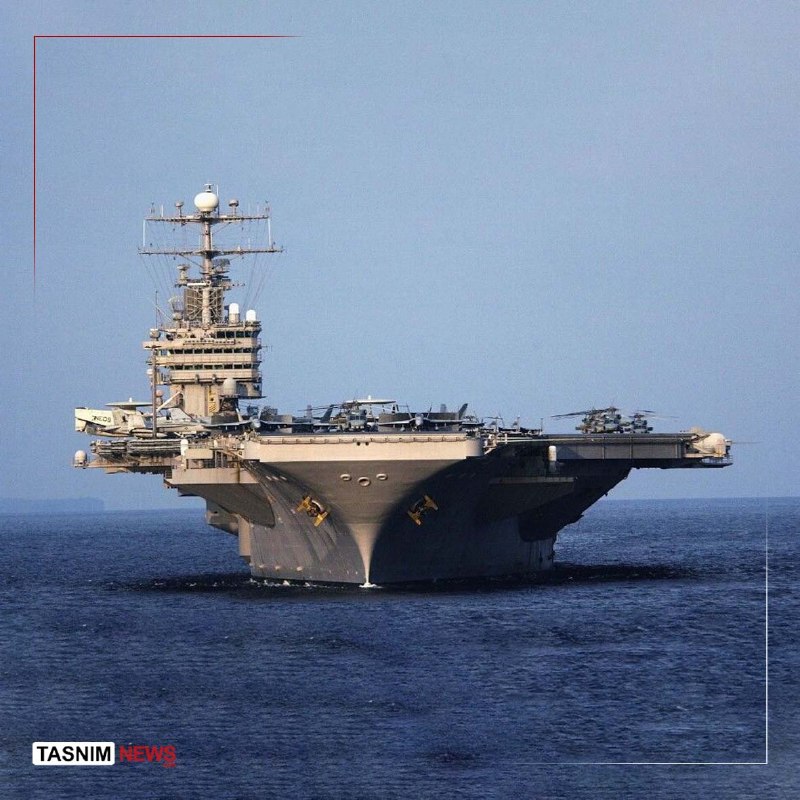
At 20:34 UTC on 6 August 2026, the Iranian outlet Tasnim's Farsi feed posted a short item from its "Jahan Tasnim" channel carrying lines attributed to Donald Trump. According to that post, the American president, "continuing his talk about the war with Iran and the negotiation process," said "I think the war will end soon. I don't think they can continue this situation for a long time," and added that "the negotiations are going well." The same Jahan Tasnim item also carried a second beat, attributed to the same exchange: that Trump said "the Strait is open now. We are in control of this strait," and that he described himself as personally engaged in the negotiation track.
Within eight minutes, the same material appeared four times across three distinct outlets, each time attributed to the same American president, each time carrying the same English-language phrase that has become a familiar punctuation mark in coverage of US-Iran tensions: "the war will end soon."
The interesting question is not whether the quote is real. The interesting question is why four Iranian-linked channels carried essentially identical wording within eight minutes, and what that simultaneity does to the reading of the underlying claim. Monexus analysis: the rhythm of the dispatch matters as much as the words. When state-adjacent outlets repeat a presidential remark in near-lockstep, the framing is curated as much as the content is reported.
What the four items actually say
The first post, at 20:34 UTC, came from Jahan Tasnim and carried a longer block of attributed remarks than the later relays. It framed Trump's line in English quotation marks and, according to the post, included three distinct statements from Trump: the "war will end soon" line, a claim that the Strait of Hormuz "is open now. We are in control of this strait," and an assertion that the negotiations are going well and that Trump is personally involved. The same item, as relayed by the channel, situates the remarks "in response to a reporter's question," which is the only contextual anchor the four posts provide for where Trump was speaking.
One minute later, at 20:35 UTC, Fars News International published its English-channel version, headlined "Trump's claim: The war with end soon" (as the post itself truncates the verb), and added a separate clause that distinguishes it from the others: Trump, according to Fars, also "said that the Iranians are able to plant mines in the Strait of Hormuz despite the US naval blockade." Fars's framing was sharper than Tasnim's in two ways. Where Tasnim framed the remarks as statements, Fars headlined the lead line as "Trump's claim" and tacked on the explicit blockade frame to the maritime line.
At 20:38 UTC, Tasnim's English-language channel posted the same Trump quotation that the Farsi feed had carried four minutes earlier, in English again, including the Strait of Hormuz and personal-involvement lines alongside the "war will end soon" line. A fourth item, at 20:42 UTC, came from Jahan Tasnim itself and re-stated the package, adding a further sentence attributed to Trump: "Iran is always able to shoot something or put a mine in this waterway."
By the time the sequence ended, four items across three outlets had carried, in eight minutes, the same package of remarks. The first three posts are spaced roughly one minute apart, which is consistent with the rhythm of a single press exchange being transcribed and republished across affiliated desks. Fars's English desk and Tasnim's Farsi and English desks do not always sync in real time; when they do, it usually traces back to a single pool report, a single wire transcript, or a single set of presidential remarks.
What Fars added, and what Jahan Tasnim added back
Fars News International is the English-language outlet of the Iranian Fars News Agency, which is itself positioned close to the Islamic Revolutionary Guard Corps. The line that distinguishes Fars from the earlier Tasnim relay is not the existence of a maritime reference; the maritime and mining material is present in all four posts in some form. What distinguishes Fars is the explicit "despite the US naval blockade" framing around the Iranian mining claim, a construction none of the other three posts reproduce. Monexus finds that Fars's framing does two things at once. It carries the negotiation-positive line forward with the other outlets, and it pins the maritime line to a specific American operational posture: a blockade. The "soon" of Trump's language is set against a "still" of contested control of the strait, and the juxtaposition is editorial.
The fourth Jahan Tasnim post at 20:42 UTC, by contrast, generalises the same maritime point back into an Iranian capability claim, attributing to Trump the line that "Iran is always able to shoot something or put a mine in this waterway." Read together, Fars and Jahan Tasnim are not contradicting each other so much as splitting the work: Fars frames the mines line as a response to an active US blockade; Jahan Tasnim frames it as a statement of standing Iranian capability in the waterway. The pattern is familiar from earlier Iranian state-linked coverage of the conflict: relay the headline, then add the qualifier that quietly re-frames it. Read in isolation, the early Tasnim posts sound like straight reportage of an American presidential statement. Read alongside Fars and the closing Jahan Tasnim post, the same package acquires a counterweight.
A small editorial note is worth making on the framing labels. The Fars item headlines the lead line as "Trump's claim," a word the other three posts do not use in their English headlines. The Jahan Tasnim body text, however, uses the verb "claimed" when characterising Trump's general framing, so the distinction between the two outlets is less a binary of "claim vs statement" than a difference in where the editorial weight lands: in Fars, in the headline; in Jahan Tasnim, in the running prose.
Why synchronisation itself is the story
The four posts are not four independent reports. They are four relays of a single package of remarks. The English-language Trump quotation appears word-for-word across Jahan Tasnim, Tasnim English, and Jahan Tasnim again, with Fars using the same English phrasing and a slightly different headline construction. None of the four items attributes the remarks to a venue, a transcript, or a White House pool report. The closest contextual anchor any of them provides is the Jahan Tasnim reference to "a reporter's question," which is consistent with a press gaggle, a sit-down interview, or an exchange on the White House driveway. The available source items do not specify where, when in the day, or in what format Trump said any of this.
That gap is worth naming. The synchronisation tells the reader that the underlying remark was significant enough to be carried by multiple Iranian desks in real time. The lack of a clear primary-source attribution tells the reader that the four outlets are operating downstream of a single input that they themselves are not disclosing. Monexus assessment: the wire pattern here is consistent with a set of remarks made in a press exchange, the exact venue of which the Iranian outlets are not footnoting. Until an American-side wire carries the same quotation against an identifiable venue and timestamp, the claim sits one step removed from any first-party record.
Stakes and what to watch
If Trump has, in fact, said the war will end soon and that negotiations are going well, the test is whether that language precedes a verifiable diplomatic event: a sit-down, a framework text, a sanctions waiver, a prisoner exchange, an Iranian concession on enrichment or on proxy posture. If no such event lands within a verifiable window, the "soon" will join the long list of presidential timeline indicators that age out without consequence. The secondary test sits with the maritime line. If Fars's "despite the US naval blockade" framing and Jahan Tasnim's "Iran is always able to … put a mine in this waterway" framing are what the Iranian state wanted alongside the "war will end soon" line, then Tehran is signalling that even a negotiated end does not mean a strategic concession on its deterrent posture in the Strait of Hormuz. Read together, the four items are not an answer to whether the war is ending. They are the framing of how the war's end, if it comes, will be narrated on each side.
Monexus framed this story around the simultaneity of the four Iranian-linked dispatches rather than the underlying claim itself, because the source material does not yet establish where, in primary form, the president's remarks were made. Where Western wires add a venue and a timestamp, this desk will update accordingly.
Wire provenance
This editorial synthesis draws on the following public wire/social posts:
- https://t.me/JahanTasnim/228775
- https://t.me/FarsNewsInt/258444
- https://t.me/tasnimnews_en/30011
- https://t.me/JahanTasnim/228776
Follow the event.
These dated source records provide context. They do not retrospectively verify this archive article.
Separate what the nuclear watchdog reported from what it could not determine after the June 2025 strikes.