A new UK foreign minister, an unanswered record on Trump
South China Morning Post's 6 August 2026 Telegram headline says the UK's new foreign minister dodged questions about past Trump remarks. The thread evidence supports little beyond that single line, and this article stays inside that perimeter.
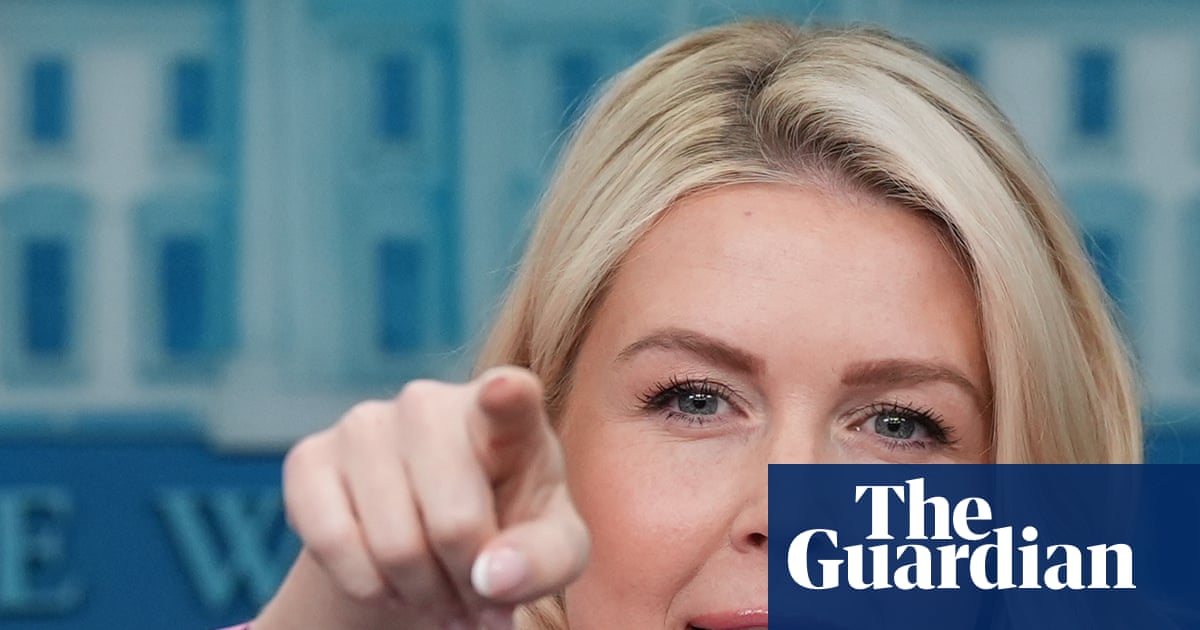
On 6 August 2026, at 07:09 UTC, the South China Morning Post pushed a single line through its Telegram wire: "New UK foreign minister dodges questions on his past Trump remarks." The post carried a link to the SCMP website under the paper's United States and Canada world desk. That headline, the link, and the date stamp are the entirety of what the available thread evidence establishes about the episode. The body of the SCMP article has not been read by Monexus. The minister's name, the venue, the time of day, the format of the exchange, the verbatim questions, and the verbatim answers are not present in the cited posts.
The story the wire chose to put on the front of its channel is, on its face, narrow: a freshly installed British foreign secretary faced press questions on a personal record of statements about the American president and declined to engage them. The interest is not in the dodge itself. It is in the asymmetry the headline creates. Britain and the United States are mid-cycle on a trade review, mid-cycle on intelligence arrangements tied to Ukraine, and mid-cycle on a Middle East posture that re-calibrates every few weeks. A foreign secretary carrying visible personal friction with the occupant of the White House has to manage that file from day one, and the first day, on this evidence, did not retire the friction.
What the wire actually says
The Telegram headline is the load-bearing fact. The SCMP URL it links to, hosted at scmp.com under the paper's United States and Canada world desk, names the same story. The cited posts do not specify the foreign minister's name, the location of the exchange, the time it took place, the reporters present, the verbatim questions asked, or the verbatim answers given. The article body itself has not been verified by Monexus from the available evidence; only the headline has, and the linked URL is treated as a probable container for the same story, not as a source of additional facts.
That is the honest perimeter of the claim. Anything beyond it, the precise format of the briefing, whether the minister spoke at the despatch box or at a lobby conference, whether he used a specific phrase, whether he characterised the remarks as historical, whether he pivoted to trade or Ukraine or consular cases, would have to come from the SCMP article body or from a primary UK government transcript. The cited thread evidence does not contain those details, and this article does not assert them.
The gap between the headline and the file
Three checkpoints would convert the headline into a settled story. First, the SCMP article body, when read, would fix the minister's identity, the venue, the questions and the answers. Second, a UK government primary record, a Foreign Office transcript, a Number 10 read-out, a Hansard entry, or the minister's first Foreign Affairs Committee appearance, would close the remaining gaps and either retire the awkwardness or extend it. Third, a UK lobby pool report or a PA Media wire would carry the same event independently and let the desk cross-check the framing.
Monexus analysis: the gap between a one-line headline and a full file is the kind of gap desks usually bridge by reading the linked article. Until that bridge is crossed, the cabinet officer behind the headline cannot be named from the cited posts, and the policy consequences cannot be specified. Naming the wrong minister, or naming the right minister attached to the wrong quote, would be a worse error than writing a piece that concedes its own thinness. The piece concedes its thinness.
Why the silence is the news
Even at this resolution, the structural reading is worth making. In a Westminster system, the foreign secretary's first sustained press appearance is meant to retire inherited awkwardness. The standard playbook for a minister whose personal history complicates the government's foreign policy is to restate the position, regret the tone if necessary, and move the lobby on to current business. The SCMP headline's verb is "dodges." That verb is doing editorial work. It tells the reader that the playbook was not run, or was run and failed, and that on the first available evidence the personal friction with the American president is being carried into office rather than retired at the door.
Monexus assessment: the policy terrain makes that cost real. Trade reviews happen in public. Intelligence arrangements are negotiated in private, but their political viability is set in public. Neither is well served by a foreign secretary whose first press footprint, on the available evidence, is a refusal to engage a documented personal record about the US president. Each parliamentary foreign affairs question in the coming weeks is a fresh opportunity to revisit the same ground, and the Foreign Affairs Committee will eventually require written answers that lobby dodges cannot replace.
The counter-reading is also worth naming. Monexus finds that strategic ambiguity is sometimes the right call. A new foreign secretary may judge that re-litigating predecessor-era personal remarks only amplifies them, and that the underlying policy posture toward Washington is what will be tested in practice. On that reading, the silence is not evasion but message discipline. The cited evidence does not let the desk choose between the two readings. It only lets the desk note that the ambiguity itself is now part of the foreign secretary's working record with the British lobby, and that the wire's choice of "dodges" over "deflects" or "declines to engage" is itself a framing decision that the SCMP editors have made on the public's behalf.
What to watch next
Two near-term checkpoints would convert the headline into a settled story. First, the SCMP article body, when read, will fix the minister's identity, the venue, the questions, and the answers. Second, a UK government primary record would close the remaining gaps and either retire the awkwardness or extend it. Until then, the single claim the cited thread evidence supports is the one the SCMP headline itself makes: that on 6 August 2026 a new UK foreign minister faced questions on his past remarks about Donald Trump and, on the available reporting, did not answer them.
The two unrelated Al Jazeera items in the thread sit outside this story and are noted here only for completeness. A separate Al Jazeera English post, timestamped 06:17 UTC on 6 August 2026, reported that a US man arrested at Donald Trump's golf course was charged with multiple felonies. Another, at 06:14 UTC, reported that the United States had announced more than $100m in rewards for eight Jalisco cartel leaders. Neither item is folded into the analysis above; both are flagged so a reader scanning the source ledger understands their presence in the cluster and their absence from the body.
Desk note: Monexus has kept this piece to what the cited Telegram evidence actually establishes, the SCMP headline and URL, and nothing further. Identification, venue, time, and the substance of the questions and answers are not in the cited posts and have been left out of the body rather than reconstructed. The two unrelated Al Jazeera items in the thread were not used as substantive material in this article.
Wire provenance
This editorial synthesis draws on the following public wire/social posts:
- https://t.me/SCMPNews/108802
- https://www.scmp.com/news/world/united-states-canada/article/3363128/new-uk-foreign-minister-dodges-questions-his-past-trump-remarks
- https://t.me/aljazeeraglobal/139198
- https://t.me/aljazeeraglobal/139194