Saudi Arabia courts two new security partners as Iran-plotting claim and low normalisation odds converge
A reported Pakistan-Turkey-Saudi defense agreement lands the same evening Riyadh accuses Iran of plotting attacks, while a prediction market prices Saudi-Israel normalisation at 12%.
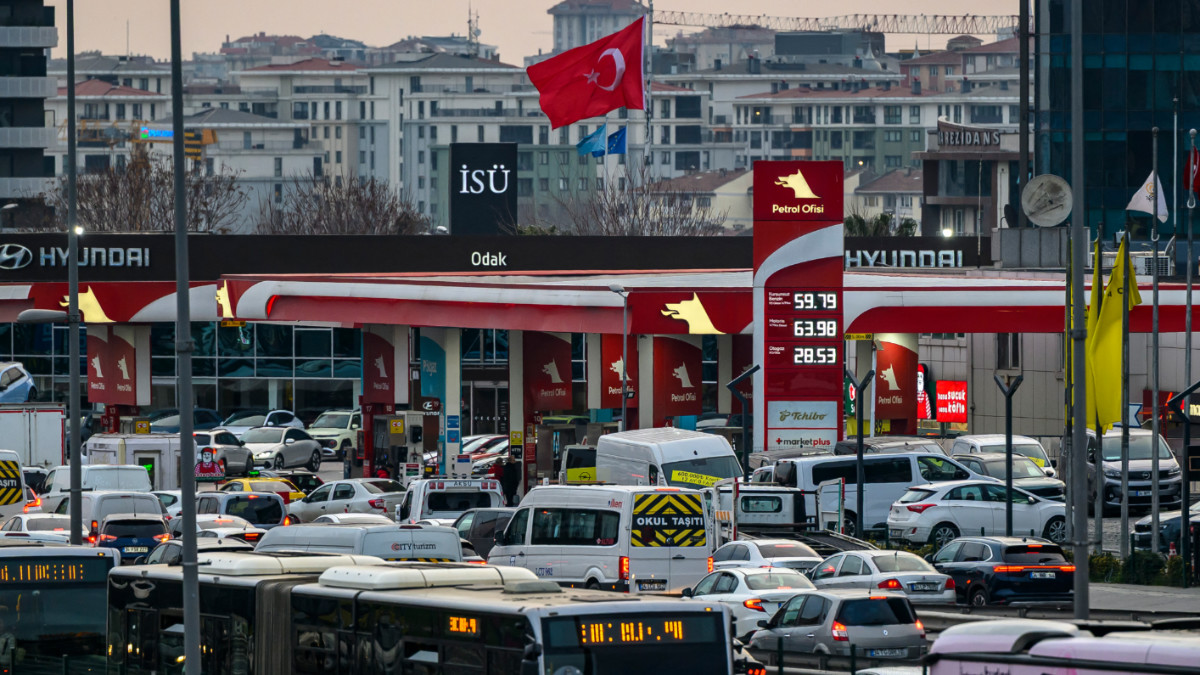
On 6 August 2026, three wire items landed within roughly two hours of one another and, read together, sketch a Gulf state hedging across multiple security axes at once. A Telegram-relayed report said nuclear-armed Pakistan, Turkey and Saudi Arabia are likely to sign a trilateral defense agreement. A separate Telegram-relayed item carried a Saudi official's accusation that Iran is plotting attacks on the kingdom. A Polymarket contract, captured the same evening, priced the chance of Saudi-Israel normalisation by year-end at 12%.
The through-line is structural rather than sensational. Monexus analysis: Riyadh is signalling that its security perimeter now extends beyond its long-standing Western partnerships, and that any actor testing it should expect coordination from more than one capital. The signal is loudest in Ankara and Islamabad, where the political upside of a Sunni-majority alignment built around a nuclear-deterrent holder is obvious in the framing the wire item uses.
A pact, with conditions attached
The trilateral framework reported on 6 August via insider paper channels is described as a defense agreement, not a mutual-defence treaty in the NATO mould. The reported signatories each bring a different asset to the table, as the wire item characterises them: Pakistan is described as nuclear-armed; Turkey as a major NATO member; and Saudi Arabia as the Gulf's leading economy and the country whose territory sits astride the Bab el-Mandeb and the Strait of Hormuz. The cited source item does not specify the text of the agreement, its trigger thresholds, or the operational commitments each side would undertake.
What changes if the agreement is signed is politics rather than capability. Coordination that has so far been ad hoc becomes formalised, and Riyadh's security identity becomes visibly readable through Ankara and Islamabad in addition to Washington. Monexus analysis: the framing in the wire item, which foregrounds Pakistan's nuclear status, is itself a signal about which deterrent the partners want to be associated with in public.
What the thread does not contain
The editor's brief attached to this thread references a separate urgent flash stating that Yemeni armed forces monitored and controlled a Saudi-led mobilisation toward Sanaa and bombed the gatherings. That flash is not present among the three source items this article is built on. The available source items do not contain a Huthi or Yemeni armed-forces statement, a description of a repelled Saudi-led ground move, or independent corroboration of land-manoeuvre claims in northern Yemen on 6 August 2026. This publication has not independently established the operational facts on the ground, and the three cited items do not address Red Sea transit or Huthi maritime operations at all.
Monexus assessment: any escalation from maritime denial toward contested land manoeuvre in northern Yemen would represent a step-change, but the available wire items do not support that step-change as a stated fact. The desk is flagging the discrepancy rather than bridging it.
The Iran file
Concurrent with the defense-pact reporting, a Saudi official was cited accusing Iran of plotting attacks on Saudi territory. The accusation was carried by BRICS-adjacent channels on 6 August 2026 and reads inside a familiar regional pattern of mutual recrimination between the two powers. The cited items do not specify the venue, the named Saudi official, the specific Iranian activity alleged, or any Iranian response.
Monexus analysis: the structural point worth underlining is that accusation and signalling are doing policy work even without a verified plot attached to them. A defense-pact framework reportedly in the works the same week as a public Iranian-plotting accusation tells both Tehran and any actor aligned with it that the Saudi response surface is being widened. How much wider depends on the text of the agreement, which the available items do not specify.
The normalisation question
The Polymarket contract captured on 6 August 2026 priced Saudi-Israel normalisation by year-end at 12%. That is not a forecast; it is the implied probability that traders are willing to fund at that strike, and it reflects the gap between public diplomatic courtesies and operational alignment. The same evening that Riyadh is being reported as moving toward a Sunni nuclear-umbrella pact, the market is reading normalisation as a low-probability tail rather than a base case.
Monexus analysis: the most natural reading of the evidence is that the kingdom is keeping the door open to Israel in public while building a defense architecture that does not depend on Israeli or American alignment in private. The market is pricing the private signal.
Stakes and what to watch
If the trilateral pact signs, three things change in this publication's reading. First, the security architecture of the Gulf stops being legible through Washington alone; Ankara and Islamabad become first-tier security partners in the framing the wire item constructs. Second, any actor calculating the cost of a strike against Saudi territory faces a wider response surface in the signalling the items describe. Third, the diplomatic calendar becomes the lever: any signing ceremony is likely to be staged at a summit venue with maximum optics, and the date itself will be the news.
What remains genuinely uncertain: the text of the agreement, the trigger thresholds for collective action, whether the pact survives a change of government in any of the three capitals, and whether the Saudi accusation against Iran produces a verifiable Iranian response. The available source items do not specify a Huthi or Yemeni statement, do not specify whether any Saudi-led ground move toward Sanaa has been independently verified, and do not specify an Iranian reaction to the Saudi plotting accusation. The Polymarket line will move first; the wire items will follow.
Desk note: where the editor's brief referenced a Huthi repelling claim sourced from a Shoka flash, this article restricts itself to the three source items available in the research thread and flags the absence of that claim from those items rather than repeating it. Monexus carries the Saudi-Iran framing with its sourcing caveat intact and pairs it with the Polymarket read on the same day to avoid treating Saudi Arabia as the sole actor under threat in the Gulf.
Wire provenance
This editorial synthesis draws on the following public wire/social posts:
- https://t.me/insiderpaper/43777
- https://t.me/bricsnews/17559
- https://poly.market/reMeqlS
- https://x.com/Polymarket/status/2085505110235357622
Follow the event.
These dated source records provide context. They do not retrospectively verify this archive article.
Separate what the nuclear watchdog reported from what it could not determine after the June 2025 strikes.