Trump tells reporters the Strait of Hormuz is 'sort of open' as Iran's parliament moves to bar US and Israeli shipping
The US president told reporters the waterway was 'sort of open' and that 'we control the strait,' while Iranian MPs advanced a bill to ban US and Israeli vessels and charge others a toll.
At 20:26 UTC on 6 August 2026, President Donald Trump told reporters in the Oval Office that the Strait of Hormuz was "sort of open right now," and added, "We control the strait." Asked directly whether a deal had been reached to reopen the chokepoint, the US president declined to confirm one, but described conditions on the waterway as effectively normalised (Clash Report, 6 August 2026, 20:26 UTC). The remarks surfaced across English- and Persian-language Telegram channels, including state-aligned and opposition outlets, in the hour that followed (Fars News International, 6 August 2026, 20:35 UTC; Al Alam Arabic, 6 August 2026, 20:35 UTC; Al Alam Farsi, 6 August 2026, 20:53 UTC; AMK Mapping, 6 August 2026, 20:39 UTC; DDGeopolitics, 6 August 2026, 20:43 UTC; Ruptly Alert, 6 August 2026, 20:58 UTC).
The framing matters because the Strait of Hormuz is the single most consequential oil transit lane on earth. Even a partial closure is enough to push benchmark crude higher within hours, and insurers price that risk in days, not weeks. What Trump asserted in an eight-second clip, Iranian legislators were simultaneously moving to deny.
The Iranian counter-move
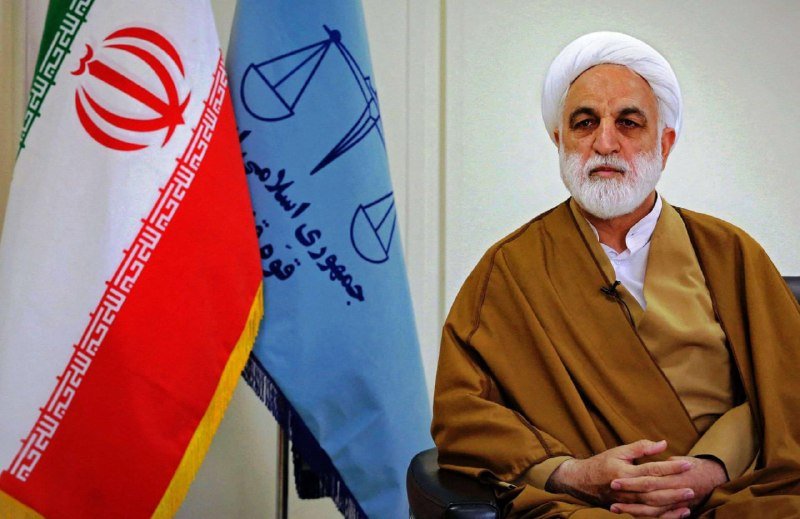
According to NPR's reporting on the same day, Iran's parliament is reviewing a plan that would bar ships linked to the United States, Israel and other "hostile countries" from transiting the strait, and would charge other users a toll. The Trump administration has already rejected the proposal (NPR, "Iran aims to ban U.S. and Israeli ships from Strait of Hormuz and charge others a toll," 6 August 2026). The thread items do not specify the bill's stage in the legislative process.
In other words, the two sides spent the evening describing opposite states of the world. Trump said the waterway was open and that US power determined it. Iranian parliamentarians were drafting legislation that assumed the opposite.
What 'sort of open' actually means
Trump's language was unusually imprecise for a head of state speaking about a military-economic chokepoint. "Sort of open" is not a status recognised in standard maritime reporting. The Ruptly relay rendered the same exchange as "It seems to be open now," with the president adding, "There is a so-called blockade led by the US Navy and we are in control" (Ruptly Alert, 6 August 2026, 20:58 UTC). Trump's separate claim that "the war with Iran will end soon" and that negotiations are "moving along good" appeared in the same exchange window across Persian-language state media (Fars News International, 6 August 2026, 20:35 UTC; Tasnim News English, 6 August 2026, 20:43 UTC) and a later BRICS News relay (6 August 2026, 23:56 UTC).
The Al Alam Arabic service quoted Trump warning that "no one wants to risk their ships worth billions of dollars and being exposed to an accidental collision with a mine" in the strait (Al Alam Arabic, 6 August 2026, 20:35 UTC). The Al Alam Farsi feed framed the president's repeated assertion as "contradictory," in language used by the outlet itself, and noted that Trump returned to the claim of US control a second time within minutes of the first exchange (Al Alam Farsi, 6 August 2026, 20:53 UTC). The Press TV feed separately recorded Trump saying he was personally involved in the negotiations with Iran and that a deal could be reached soon (Press TV, 6 August 2026, 21:00 UTC).
Monexus analysis: the subtext of the exchange is that the strait is not, in fact, operating at normal throughput. A waterway where the US president warns commercial vessels about stray mines, while Iranian MPs legislate a new transit regime, is a waterway under contested control, not open sea. The "sort of" is doing the work.
The other headline Trump dropped the same evening
After the Hormuz exchange, at 20:34 UTC on 6 August 2026, Trump signed executive orders targeting birthright citizenship, about a month after the US Supreme Court rejected his earlier bid to restrict the practice (Reuters via X, 6 August 2026, 20:34 UTC). The president told reporters: "I think we are the only country, period, that does birthright citizenship. We are ending it" (Megatron Ron relay of the pool clip, 6 August 2026, 20:48 UTC). A separate X post by Cremieux Recueil described the move as a ban on "birth tourism" and raised the prospect of follow-on action on H-1B visas (Cremieux Recueil via X, 6 August 2026, 21:47 UTC).
The two stories look unrelated and are running on separate policy tracks, but they share a structural feature: both rely on a unilateral executive action to deliver an outcome that another branch of government had previously closed off. In the Hormuz case, the constraint is physical (Iranian mining and parliamentary action) rather than legal, but the impulse is the same. The executive branch is asserting a reach the other institutions have refused to confirm.
What stays contested
The central fact of the day is that the two sides are not describing the same body of water. Trump says open; Iran says closed. Insurers and ship operators will decide who is right by the only measure that counts: war-risk premiums and routing decisions over the coming days. The Monexus expectation, on present trajectory, is that premia remain elevated and that a meaningful share of tanker tonnage is re-routed via the Cape of Good Hope or stays in floating storage, regardless of which leader's claim is louder.
Three things the thread items do not specify, and this article has not independently established: whether the Iranian parliamentary bill has advanced beyond committee; whether any third-country flag state has agreed to collect or enforce the proposed toll; and whether the mine threat Trump referenced is based on confirmed Iranian activity or remains a contingent warning. Until those are pinned down, the strait's status will continue to be a contested claim, not a confirmed condition.
How Monexus framed this vs the wire: the wire cycle on Thursday night read Trump's remarks as the headline and Iran's parliamentary bill as a separate item. Monexus treats them as a single story, because the meaning of each depends on the other.
Wire provenance
This editorial synthesis draws on the following public wire/social posts:
- https://t.me/ClashReport/91752
- https://www.npr.org/2026/08/06/nx-s1-5923623/iran-strait-hormuz-us-israel-ban
- https://x.com/Reuters/status/2085464661265117246
- https://t.me/tasnimnews_en/30012
- https://t.me/FarsNewsInt/258444
- https://t.me/alalamarabic/492900
- https://t.me/alalamfa/348919
- https://t.me/ruptlyalert/49146
- https://t.me/bricsnews/17561
- https://t.me/presstv/201841
- https://t.me/megatron_ron/16411
- https://t.me/AMK_Mapping/35482
- https://t.me/DDGeopolitics/190785
- https://x.com/cremieuxrecueil/status/2085482878943519200
- https://t.me/ClashReport/91752
- https://www.npr.org/2026/08/06/nx-s1-5923623/iran-strait-hormuz-us-israel-ban
- https://x.com/Reuters/status/2085464661265117246
- https://t.me/tasnimnews_en/30012
- https://t.me/FarsNewsInt/258444
- https://t.me/alalamarabic/492900
- https://t.me/alalamfa/348919
- https://t.me/ruptlyalert/49146
- https://t.me/bricsnews/17561
- https://t.me/presstv/201841
- https://t.me/megatron_ron/16411
- https://t.me/AMK_Mapping/35482
- https://t.me/DDGeopolitics/190785
- https://x.com/cremieuxrecueil/status/2085482878943519200