Two theatres on one reporting day: a Russian strike on Kremenchuk, Israeli flags at Naqoura
Sentinel-2 imagery showed fire at Ukraine's Kremenchuk oil refinery and Israeli forces planted flags along Naqoura's coastal highway on 16 August 2026, according to open-source channels.
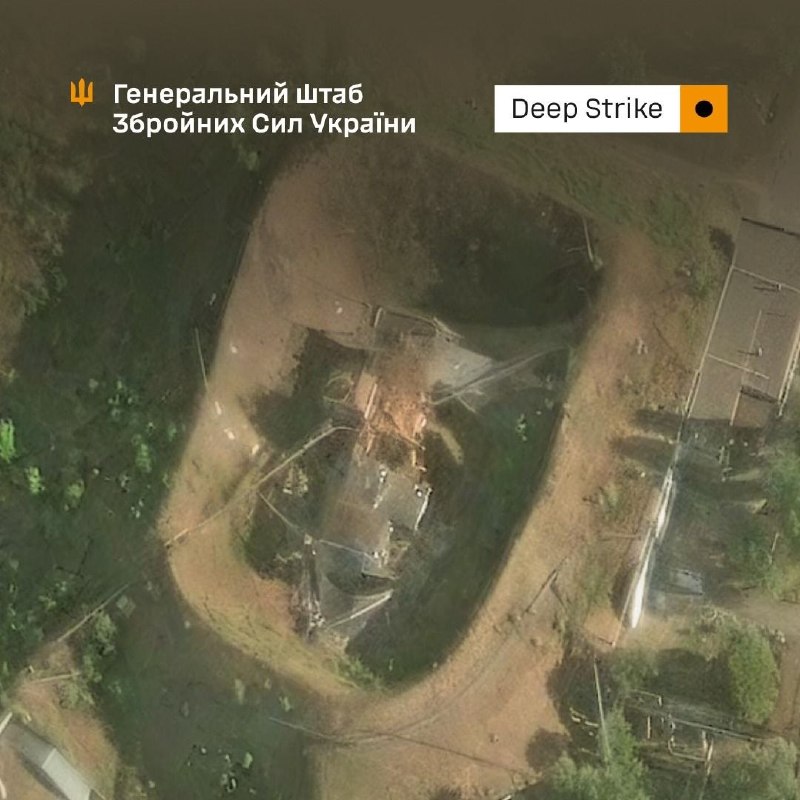
Sentinel-2 satellite imagery acquired on 16 August 2026 captured active burning at the Kremenchuk oil refinery in central Ukraine, according to a post on the open-source channel wfwitness at 17:21 UTC. The same channel reported, three hours earlier, an Israeli drone strike on Ali Al Taher hill in southern Lebanon, and by 16:37 UTC documented Israeli forces placing national flags along the coastal highway in Naqoura. A separate channel, WarMonitors, reposted an X thread titled "hormuzletter" at 16:59 UTC without elaboration. Four posts, two theatres, one reporting window.
Monexus analysis: read together, the items describe a Russian strike on a Ukrainian downstream energy site and a separate package of Israeli activity on the northern frontier: a drone strike and a flag-planting event. The reporting window is too short and the sourcing too narrow to assert coordination between the two. What the items do support is a description of what was observed, where, and at what hour.
What the Kremenchuk post actually shows
The wfwitness post at 17:21 UTC on 16 August 2026 describes a fire visible on today's Sentinel-2 imagery at the Kremenchuk oil refinery in central Ukraine following a Russian strike, with several small oil tanks and a pipe burning. Monexus analysis: that is the full evidentiary content of the post. The available source items do not specify which part of the refinery complex is alight, the operator's identity, the volume of feedstock lost, or whether production has been paused. They do not specify whether this is a repeated strike on the same facility or a first documented hit in the reporting window. Any characterisation of the damage profile beyond what the channel posted is the desk's inference, not the thread's evidence.
The channel itself is the named source. wfwitness is an open-source intelligence feed on Telegram; its credibility rests on the optical satellite pass it cites, not on a Ukrainian or Russian first-party statement. Readers looking for an operator statement, a Ukrainian energy-ministry briefing, or an Independent or Reuters confirmation would need to look outside this thread. Monexus will not import such wording here.
The Naqoura flags and the Ali Al Taher strike
At 16:07 UTC on 16 August 2026, wfwitness reported an Israeli drone strike on Ali Al Taher hill in southern Lebanon. At 16:37 UTC the same channel reported that Israeli forces placed Israeli flags along the coastal highway in Naqoura, in southern Lebanon. The available source items do not specify casualties, the type of munition used in the Ali Al Taher strike, or the precise stretch of highway along which the flags were placed. They do not specify whether the Lebanese Armed Forces, UNIFIL, or any Israeli spokesperson issued a statement.
Monexus analysis: the Naqoura flag post and the Ali Al Taher strike are reported in the same channel, ninety minutes apart, in the same border theatre. What they signify together is a reading question this article cannot resolve from the thread evidence alone. Israeli security concerns on the northern border are legitimate and must be weighed: communities in the Galilee and the border towns sit within range of cross-border fire, and hostage-family demands continue to shape Israeli political space, though the available source items do not specify either. Lebanese sovereignty over Naqoura and the coastal highway is also a first-order fact. The framing question, on the thread evidence, is narrower than either narrative: what was observed, when, and by which channel.
The Hormuz letter, and what it does not add
At 16:59 UTC, the channel WarMonitors reposted a link to an X thread titled "hormuzletter" without any accompanying text. The available source items do not specify the content of that X thread. Monexus analysis: there is no evidentiary bridge from this repost to Iran's posture, to shipping in the Strait of Hormuz, to Israeli strike rehearsal, or to US naval deployments. Any such framing would come from outside this thread. The honest reading is that the repost sits in the day's noise without contributing a verifiable claim to this article.
Where this leaves the reporting window
Three near-term questions follow from the day's items. First, whether a Ukrainian operator or ministry publishes a statement on the Kremenchuk fire that quantifies damage and downtime; the thread evidence does not specify whether one has been issued. Second, whether UNIFIL, the Lebanese Armed Forces, or an Israeli body publishes a statement on the Naqoura flags; the thread evidence does not specify whether one has been issued. Third, whether the hormuzletter X thread carries sourcing that survives independent reading or whether it becomes a one-day relay. Monexus will update on each in turn.
What remains contested is the connection, if any, between the two theatres. The four posts do not specify a shared command, a shared signal, or shared logistics, and they do not specify whether the Kremenchuk strike, the Ali Al Taher drone strike, the Naqoura flags, and the Hormuz letter are anything more than four items that happened to land in the same sixteen-hour window. Monexus finds that the most natural reading is the unsatisfying one: two separate escalations, both on slow tempo, both reported through the same open-source channel scaffolding.
Desk note: Monexus carried the day's open-source posts together because they fall inside one reporting window, not because this article asserts any operational link between them. Israeli strikes inside Lebanon are reported as first-order facts; Lebanese sovereignty over Naqoura and its coastal highway is reported as a first-order fact. The Russian strike on Ukrainian energy infrastructure is treated as an aggressor's choice against a defended target. Claims that go beyond what the four posts contain have been labelled as analysis, or cut.
Wire provenance
This editorial synthesis draws on the following public wire/social posts:
- https://t.me/wfwitness/107242
- https://t.me/WarMonitors/45312
- https://t.me/wfwitness/107238
- https://t.me/wfwitness/107232