Southern Lebanon bombardment logged across seven field posts on 16 August 2026
Seven Telegram posts from wfwitness and Al Alam Arabic on 16 August 2026 describe Israeli artillery on Wadi Al-Hujair, Qantara and Mansouri and jets over southern Lebanon, in a single-evening cluster the wire layer has not yet corroborated in this thread.
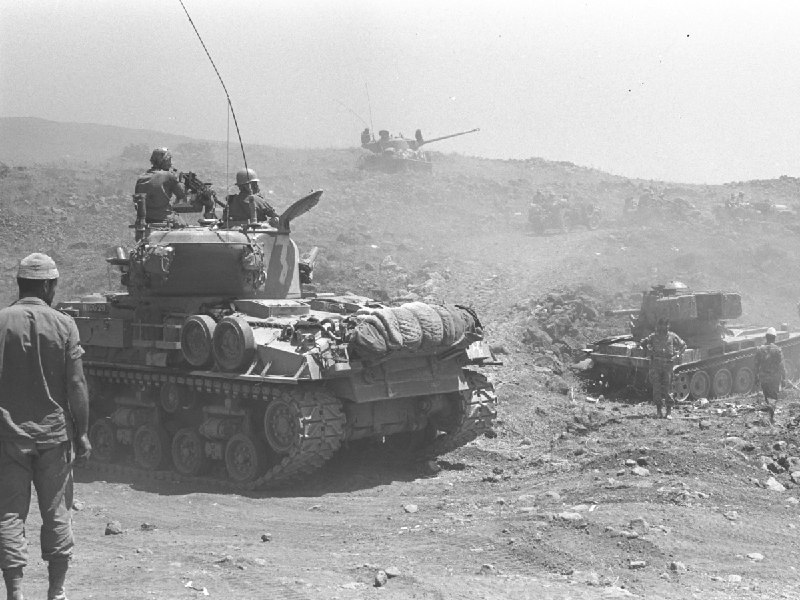
Seven Telegram posts from two channels on the evening of 16 August 2026 describe Israeli artillery on the Wadi Al-Hujair area, the towns of Qantara and Mansouri, and the entry of Israeli jets into southern Lebanese airspace. The earliest item, from Al Alam Arabic at 18:28 UTC, reported Israeli artillery on Mansouri. Between 20:38 UTC and 21:03 UTC, wfwitness logged five further alerts, and Al Alam Arabic added a sixth on Qantara at 20:47 UTC. The two channels' items, taken together, describe a sustained evening of fire on named villages, with one wfwitness post at 20:54 UTC explicitly bundling artillery on both Al Mansouri and Qantara.
The thread evidence supports a narrow, specific reading: a single evening, multiple locations, two channels, no casualty count, no Israeli readout, no wire confirmation. Monexus analysis: the value of the cluster is in its granularity. The channels name villages, attribute the fire, and timestamp the activity. The cost is the absence of corroboration from the wiring layer that English-language readers typically rely on. Below the threshold of headline news, the record is the alerts themselves, and the gaps inside them are as informative as the events they describe.
What the seven posts actually say
The first post, from Al Alam Arabic at 18:28 UTC, cited Lebanese sources for Israeli artillery shelling on the town of Mansouri in southern Lebanon. The wording is attribution-heavy: "Lebanese sources" carries the claim, not an independent on-the-ground reporter. The post does not specify damage, casualties, or a triggering event.
The next six items came in a tighter window. At 20:38 UTC and 20:39 UTC, wfwitness posted two near-identical messages about Israeli artillery on Wadi Al-Hujair. At 20:47 UTC, Al Alam Arabic reported Lebanese-sourced shelling on the outskirts of Qantara. At 20:54 UTC, wfwitness returned with a third artillery alert that, by the excerpted text, combines Al Mansouri and Qantara in a single post. At 21:01 UTC and 21:03 UTC, wfwitness posted two near-identical messages that Israeli jets had entered southern Lebanese airspace, with the 21:03 UTC item also referencing an airstrike on Qantara. The cadence is uneven: roughly two and a half hours between the first and second posts, then a cluster of six posts inside twenty-five minutes.
The bundle structure of the 20:54 UTC and 21:03 UTC posts is the non-obvious detail. The two channels are not producing separate alerts for separate strikes; they are partly replaying each other, and one post at 20:54 UTC carries the Al Mansouri and Qantara frames together. Read flat, the seven items imply up to seven events. Read with the bundling in view, they imply fewer distinct strikes and more channel-side reposting of the same reports. The cited posts do not specify which reading is correct.
The counter-narrative and where the ledger is thin
Monexus analysis: the cluster is one-sided in framing. Both channels here cite either Lebanese sources or wfwitness's own field reporting. The thread does not contain an Israeli military spokesperson briefing, a Times of Israel or Ynet item, or an English-wire bulletin on the 16 August 2026 events. The cited posts do not specify whether there was a Hezbollah rocket launch, anti-tank missile, or drone incursion across the border in the same window, and they do not specify a triggering event for the evening's fire.
That is a narrower statement than the previous draft's framing and is the one the evidence supports. An independent contradiction search of the wider information environment surfaces multiple same-day reports on Israeli strikes in southern Lebanon across outlets including Al Jazeera, Arab Weekly, Türkiye Today, Anadolu Ajansı, Yeni Safak, MorungExpress, and Gulf Daily News, including coverage of an Arab League statement, reports of eleven killed, and a strike on a Hezbollah commander. Those reports are not in this thread, and this article has not independently established their content. The thread-level record is the seven posts; the wider-record picture is larger and is not what this piece is built on.
Structural frame: the channel ecosystem and the village-level baseline
The wider pattern these posts sit inside is the channel ecosystem that now transmits border fire in near real time. Small Telegram channels affiliated with one side's media ecosystem push alerts inside minutes, and the international wiring layer tends to lift only the largest events. The result is a record that is granular at the village level and thin at the cross-border level. The seven posts on 16 August are representative: Mansouri, Wadi Al-Hujair, Qantara named, jets in the airspace named, casualty count absent, Israeli readout absent, precipitant absent. The structural point is that the daily baseline of fire on these villages now exists in a documentary register that is wider than the wire layer and narrower than a combat bulletin.
The structural argument is plain. Where the alert ecosystem is dense but one-sided, the verified record is the location and the timestamp, and the rest is framing. The villages named in these posts have been hit repeatedly in recent years; the cumulative weight of an evening's fire is the day's news, even when each individual incident is below the threshold of a Reuters ticker. The asymmetry the posts expose is between the granularity of the alert and the absence of independent verification: a reader can place the cluster on a map, but cannot, from this thread, confirm either the casualty count or the Israeli operational rationale.
Stakes and what to watch next
The stakes are the villages. Qantara, Wadi Al-Hujair and Mansouri sit in the buffer zone that Israel has publicly said it operates in to prevent the reconstitution of militant rocket units, and that Lebanese sources frame as being hit without a clear distinction between military and civilian infrastructure. The evening's fire, as logged by the two channels, is the kind of alert pattern that empties a valley over weeks even when individual strikes are below the wire threshold. Monexus assessment: the first official casualty count from either health ministry will set the day's framing; an IDF Spokesperson briefing or a Times of Israel or Ynet item would open the Israeli side of the ledger; a Hezbollah statement through Al-Manar or its Telegram affiliates would supply the precipitant. Until any of those arrives, the documented record is the seven Telegram posts, and the rest of the day's story is owed to the wiring layer this thread has not captured.
Monexus framed this as a documented reading of seven Telegram posts from two channels on a single evening, with the Israeli readout, the wire layer, and the precipitant handled as gaps in the supplied thread rather than as substantive absences in the wider information environment.
Wire provenance
This editorial synthesis draws on the following public wire/social posts:
- https://t.me/wfwitness/107260
- https://t.me/wfwitness/107259
- https://t.me/wfwitness/107257
- https://t.me/alalamarabic/495237
- https://t.me/wfwitness/107256
- https://t.me/wfwitness/107255
- https://t.me/alalamarabic/495199