Ghalibaf heads to Baghdad as Tehran works its Iraq file
Iran's parliament speaker will lead a delegation to Baghdad on 28 August, with Iranian state media framing the trip around "regional developments" and "strategic cooperation" between Tehran and Baghdad.
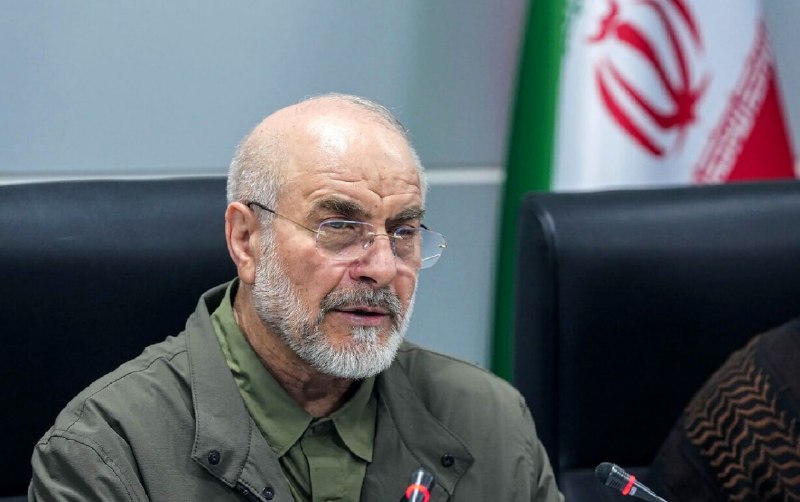
Mohammad Bagher Ghalibaf, Speaker of Iran's Islamic Consultative Assembly, will leave Tehran for Baghdad on the morning of Wednesday, 28 August, at the head of a high-ranking parliamentary delegation. Iranian state outlets carried the announcement in coordinated fashion on 18 August: Tasnim at 05:19 UTC, Mehr News and Al-Alam in the same early window, and the Open Source Intel channel relaying Fars News shortly after, at 06:47 UTC.
The stated purpose, repeated almost verbatim across the four readouts, is twofold: a discussion of "regional developments" and a push to "strengthen the strategic cooperation between Tehran and Baghdad." That second phrase, more than any specific policy item, is the one to watch.
Why a speaker, not a foreign minister
The choice of a parliamentary figure to front the mission is itself part of the message. The four source items on this story are uniform in describing the delegation as parliamentary and led by the speaker; none of them identify a foreign-ministry or security-architecture counterpart at the head of the Iraqi side. That is consistent with a particular division of labour in Iranian regional diplomacy, in which legislative channels handle the long, structural files and executive channels handle crisis diplomacy.
The readouts also share a vocabulary. "Regional developments" and "strategic cooperation" appear in each of the four posts, in near-identical phrasing. Mehr and Al-Alam frame the trip as leaving "tomorrow morning (Wednesday, August 28)"; Tasnim's English feed uses the same date; the OSINT relay summarises Fars's version in the same terms. The uniformity is itself a fact about the announcement: it was coordinated across the Iranian state media ecosystem before it went out, not broken by one outlet and picked up by others.
What the framing tells us
Two words do most of the work in the official language: "developments" and "strategic." The first is a placeholder for the broader Middle East file. The second is doing more. In Iranian diplomatic usage, "strategic" is reserved for relationships Tehran expects to outlast any particular Iraqi cabinet; it is not the word used for transactions the government expects to renegotiate.
There is a counter-reading worth naming, even though the source items do not resolve it. A heavy parliamentary visit could reflect confidence in the bilateral relationship, or it could reflect the opposite: a need to reassure, in public and in front of an Iraqi audience, that the relationship is being actively tended. The four readouts on offer do not distinguish between those two reads; they only confirm that a delegation is going.
Monexus assessment: what the visit is, and what it isn't
The four source items establish the trip, the date, the composition and the stated purpose. They do not specify the delegation's full agenda, the Iraqi hosts, the expected readout, or any new agreements to be signed. Monexus reads the announcement as maintenance diplomacy rather than a new initiative: a speaker-led mission, with the public emphasis on "strategic cooperation" and a near-empty substantive detail line, fits the pattern of keeping an existing bilateral architecture warm between shocks rather than opening a fresh file.
Two uncertainties are worth flagging. First, the available posts do not specify how the visit intersects with the wider regional conversation; "regional developments" is a placeholder, not a briefing. Second, the posts do not name an Iraqi counterpart or confirm a meeting at the prime-ministerial level; whether the trip is calibrated to Baghdad's executive or to its parliamentary class remains unspecified by these four items alone.
Monexus framing: the wire readouts treat this as routine bilateral diplomacy. Our read is that the choice of a parliamentary delegation, the public emphasis on "strategic cooperation," and the coordinated wording across Iranian state outlets together suggest Tehran is doing maintenance on its relationship with Baghdad, not opening a new file.
Wire provenance
This editorial synthesis draws on the following public wire/social posts:
- https://t.me/tasnimnews_en/31538
- https://t.me/mehrnews/405384
- https://t.me/alalamfa/349989
- https://t.me/osintlive/564958