Iran's parliament speaker heads to Baghdad as Tehran and Iraq deepen a 'historical and unbreakable' alignment
Mohammad Bagher Ghalibaf travels to Baghdad on 20 August for what Iranian state media describe as a strategic visit, with regional developments and bilateral cooperation on the agenda.
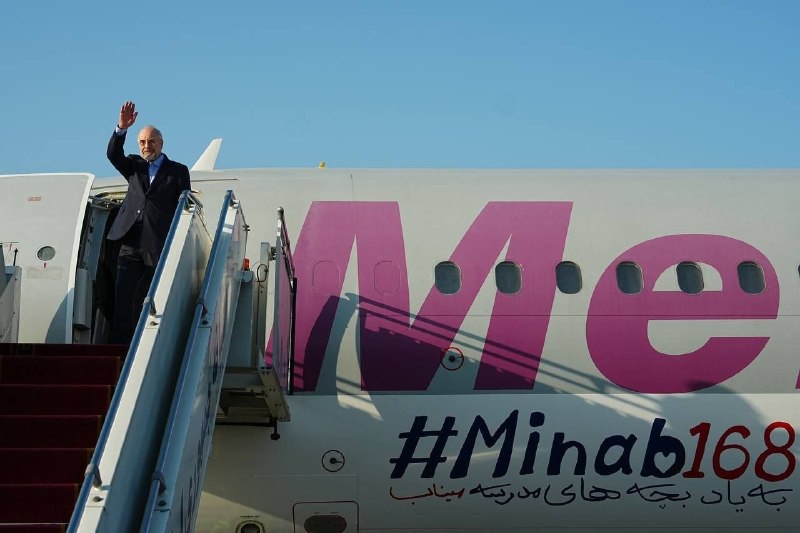
Mohammad Bagher Ghalibaf, the Speaker of Iran's Islamic Consultative Assembly, is scheduled to travel to Iraq on 20 August 2026 for talks framed by Iranian state media as a strategic visit focused on regional developments and bilateral cooperation. According to Fars News Agency, as relayed by a Telegram channel covering the file, Ghalibaf's itinerary centres on reinforcing what Iranian outlets describe as the "historical and unbreakable" connection between the two peoples. PressTV and Tasnim both carried the Speaker's own framing in the hours before departure.
The visit lands at a moment when Tehran and Baghdad have been steadily rebuilding formal channels of coordination after years of contested overlap in security, energy and transit policy. Iraqi Shi'a political factions with deep ties to Iran hold decisive weight inside successive Baghdad governments; Iran's exports of gas and electricity to Iraq remain a daily economic fact rather than a slogan. Ghalibaf's framing, the visit is less a diplomatic overture than a maintenance stop.
A speaker, not a foreign minister
Ghalibaf is the presiding officer of Iran's parliament, not the head of the foreign-policy apparatus. The Iranian foreign ministry sits under Abbas Araghchi; the Supreme National Security Council under Ali Akbar Ahmadian; the office of the Supreme Leader above both. That ranking matters, because sending the Speaker rather than the foreign minister signals a particular kind of exchange: institutional, parliament-to-parliament, but with enough seniority that the visit reads as carrying the Islamic Republic's political weight.
Iranian state outlets carried the same line almost word-for-word on 19 August. "The connection between the two nations of Iran and Iraq is a historical and unbreakable connection," Tasnim quoted Ghalibaf as saying on the eve of what it called a "strategic trip." PressTV, in two near-identical posts before and after the Fars report surfaced, used the same "historical and unbreakable" formulation, indicating a coordinated messaging push rather than a single wire item. The phrase recurs so consistently across Iranian state media that it functions less as a quote than as a talking point.
What the agenda actually is
The available source items name "regional developments" and "strengthening strategic cooperation between Tehran and Baghdad" as the stated agenda. They do not specify a meeting list, a counterpart delegation, or a signing schedule. That is itself worth reading carefully. In Iraqi politics, parliamentary visits from Iran are rarely only parliamentary: the Iraqi Council of Representatives' speaker, the Shia Coordination Framework bloc leaders, and senior figures in the Popular Mobilization Forces orbit are all plausible interlocutors for a delegation of Ghalibaf's standing.
Counter-claim material from Iraqi sources is absent from the thread. The available items are all Iran-side, and they present the trip exclusively through the lens of brotherhood and strategic alignment. That framing is consistent with how Tehran positions its relationship with Baghdad publicly: as civilisational continuity, religious kinship, and shared threat perception rather than as a transactional security relationship. Monexus analysis: the messaging tells us less about the substance of the trip than about the audience Tehran is trying to reach.
Why this corridor matters
Iran-Iraq cooperation sits at the intersection of three structures that the available items gesture at but do not spell out. The first is energy: Iraq remains dependent on Iranian gas and electricity imports, and Tehran has used supply as leverage in past disputes. The second is transit: the Iran-Iraq-Syria-Lebanon land corridor has been the subject of sustained US sanctions attention, and any senior Iranian visit to Baghdad draws a Washington readout. The third is Shia political alignment inside Iraq itself, where Tehran-aligned factions have alternately governed, boycotted, and reshaped coalitions.
What we're watching is a routine exercise of parliamentary diplomacy that the Iranian state is choosing to amplify. Ghalibaf is not a backbencher; he is a former IRGC commander who has held senior posts across three decades, and his movements carry signal. Whether the trip produces any concrete deliverable, from a signed memorandum to a joint statement, is something the available items do not specify and this publication cannot independently establish.
Stakes and what to watch next
The short-term stakes are signalling. Iranian state media are pre-loading the visit with the same phrase across at least three outlets, which suggests an intent to set the frame before any Iraqi readout lands. For Baghdad, the calculation is more delicate: every senior Iranian visitor becomes a data point for both Gulf Arab capitals and the US embassy, and Iraqi governments have historically tried to keep the optics balanced even where the underlying alignment is not.
The honest reading of what is known: a senior Iranian parliamentary figure will be in Baghdad on 20 August 2026 for talks described, in Iranian state media, as focused on regional developments and bilateral cooperation. The counterpart delegation, the meeting list, and any deliverables are not specified in the available source items. Until an Iraqi readout or an independent wire confirms the agenda, the trip's substance is best treated as inferred from framing rather than reported from the ground.
Desk note: Monexus framed this visit through the Iranian state-media readout because the available items are exclusively Iran-side. Where Iraqi sources would have complicated the picture, the article says so plainly rather than papering over the gap.
Wire provenance
This editorial synthesis draws on the following public wire/social posts:
- https://t.me/presstv/203311
- https://t.me/wfwitness/107551
- https://t.me/tasnimnews_en/31774
- https://t.me/presstv/203310