A Three-Day Pause, a Pipeline Clue: Reading Trump's Canada Tariff U-Turn
Hours before a punitive 50 percent levy was due to take effect on Canadian imports, Donald Trump announced a three-day halt and a possible revival of Keystone XL. The reprieve is thin, the subtext is not.
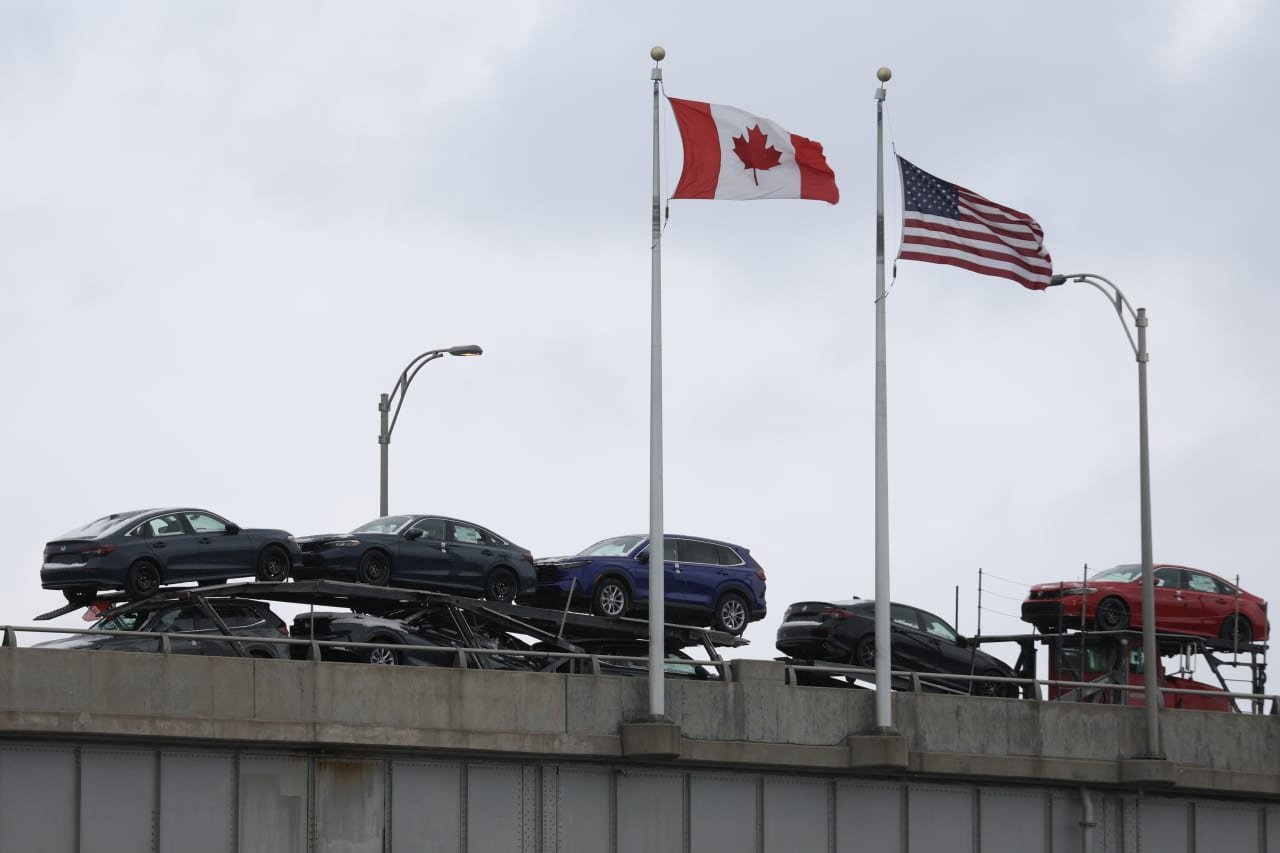
At 03:40 UTC on 19 August 2026, a market account relayed Donald Trump's announcement that the United States had paused a planned 50 percent tariff on Canada. The reprieve was reported as lasting three days and arriving before the tariff was due to take effect. It was accompanied by a striking political signal: Trump said the Keystone XL oil pipeline project might be revived.
The pause postpones a major trade dispute rather than settling it. The available reporting describes an agreement said to be close, but the supplied source items do not provide the text of a joint statement or establish what legal or policy terms would govern the delay. That gap matters. A three-day suspension can buy negotiating time, but it can also preserve the threat that gives Washington leverage.
This publication reads the episode as a transactional form of escalation: a punitive tariff rate is announced, held over a counterpart, and then suspended around a deadline while a potentially valuable project is placed on the negotiating agenda. The most important detail is not merely that the tariff was paused. It is the way the pause was presented alongside Keystone XL.
What the pause actually covers
The immediate sequence was reported across several source items in the early hours of 19 August 2026. Investing.com said Trump had paused the 50 percent tariffs and claimed a trade deal was close. Deutsche Welle and The Guardian described the development as a delay reached the day before the duties were due to take effect. Polymarket separately posted that the pause would last three days and included Trump's reference to Keystone XL.
The timing gives the announcement its force. The tariff was not withdrawn permanently in the reporting supplied here. It was described as paused or delayed for a short period. The source items therefore support a narrow conclusion: the tariff threat remains part of the negotiating environment, even while its implementation has been held back.
The alternative interpretation is more prosaic. Governments sometimes delay threatened tariffs when negotiations are active, without expecting a specific infrastructure concession in return. On that reading, the Keystone XL reference is a separate political aside rather than evidence of a bargain. The supplied accounts do not resolve that question because they do not provide a signed agreement, an exchange of commitments, or a detailed explanation of what Canada agreed to do.
Monexus analysis: the pipeline reference still changes the meaning of the pause. A bare procedural delay would indicate uncertainty about a trade deal. Mentioning Keystone XL suggests that energy infrastructure has entered the bargaining, or at least that Trump wants the public to see it there. The evidence supports that reading as an interpretation of the announcement, not as a verified description of a completed exchange.
The pipeline enters the bargaining
Keystone XL is the unusual element in an otherwise familiar tariff dispute. The Guardian's report on 19 August 2026 described Trump as hinting at a revival of the oil pipeline project. Polymarket's contemporaneous post quoted the phrase that the project might be “awoken from the grave.” Deutsche Welle likewise said the possible revival was part of the context of the deal reported that morning.
That language does not establish that the pipeline will be rebuilt, permitted, or made a formal condition of the tariff delay. It establishes that the project was publicly associated with the negotiations. The distinction is important. A political signal can affect expectations without creating an enforceable project approval.
The supplied source items also do not specify the project's exact route, ownership, capacity, permitting history, or economic terms. Claims about those matters would go beyond the available evidence. The safer assessment is narrower: Keystone XL has reappeared as a live symbol of what the United States may seek from Canada, but the reporting supplied does not prove a signed pipeline commitment.
The project reference may also carry a domestic political purpose. Trump can present the tariff pause as a negotiating success while keeping a high-profile energy project in public view. That would explain why the announcement paired a short-term trade delay with a much larger industrial-policy idea. It is an assessment of political presentation, not a claim that the pipeline has moved from announcement to execution.
Analysis: leverage at the deadline
The central mechanism is leverage. A threatened 50 percent tariff gives the United States a costly outcome that can be postponed, narrowed, or removed if negotiations move in Washington's preferred direction. A short pause keeps that outcome available while allowing the counterpart time to respond.
The three-day duration is too limited, on the available evidence, to treat the pause as a completed settlement. It may be a negotiating window, a deadline-management device, or a way to sustain pressure while officials continue discussing an agreement. The source material does not identify the exact mechanism. It does, however, make the sequence clear: tariff threat, claimed proximity to a deal, and temporary suspension.
Monexus analysis: the pairing of a tariff pause with Keystone XL points to a style of bargaining in which economic pressure and infrastructure ambition are used in the same announcement. The pause itself is reversible, and the pipeline reference is conditional. Both therefore work less as final outcomes than as signals of what Washington may value in a future arrangement.
That reading differs from the claim that the episode is simply a last-minute administrative postponement. Administrative delays can happen, and the source items do not provide the private negotiating record needed to exclude that explanation. But the public prominence of Keystone XL makes the broader political interpretation at least as plausible. The correct conclusion is not that a pipeline bargain has been reached. It is that the tariff dispute has acquired a new bargaining object.
What remains uncertain
The most consequential unresolved issue is the substance of the reported agreement. The source items say a deal is close or that an agreement was reached, but they do not include its text. They also do not specify whether the three-day pause can be extended, what happens if no further agreement is reached, or what commitments Canada is alleged to have made.
The supplied reporting likewise does not establish whether Keystone XL is a formal condition of the trade arrangement, an aspirational proposal, or a separate project Trump mentioned to emphasize scale. Without a first-party document, the pipeline's status should remain conditional.
The available source items also do not specify the response of Canadian Prime Minister Mark Carney's government, the text of any Canadian statement, or the participation of particular negotiating institutions. It would therefore be too strong to present the episode as a fully documented bilateral agreement. The evidence supports a narrower account: Trump announced a pause, said a deal was close, and associated the pause with the possibility of reviving Keystone XL.
The next meaningful test is the end of the reported three-day window. If the pause ends without a more detailed public agreement, the tariff threat will return as the central issue. If officials produce terms connecting trade concessions to Keystone XL, the pipeline reference will look less like political theatre and more like the core of the bargain. Until then, the announcement is best understood as leverage, not resolution.
Desk note: Monexus separates the verified short-term pause from the unverified claim that Keystone XL is a formal trade commitment, and treats the prediction-market item as a market signal rather than a forecast of policy.
Wire provenance
This editorial synthesis draws on the following public wire/social posts:
- https://x.com/unusual_whales/status/2089920523698651370
- https://www.investing.com/news/economy-news/trump-pauses-50-tariffs-on-canada-claims-trade-deal-is-close-4866391
- https://poly.market/gB13emj
- https://x.com/Polymarket/status/2089904985530052771
- https://www.dw.com/en/us-canada-agree-deal-that-delays-50-tariffs-trump-says/a-78421098?maca=en-rss-en-all-1573-rdf
- https://www.theguardian.com/us-news/2026/aug/19/trump-delay-canada-tariffs-keystone-xl-oil-pipeline
- https://x.com/unusual_whales/status/2089920523698651370
- https://www.investing.com/news/economy-news/trump-pauses-50-tariffs-on-canada-claims-trade-deal-is-close-4866391
- https://poly.market/gB13emj
- https://x.com/Polymarket/status/2089904985530052771
- https://www.dw.com/en/us-canada-agree-deal-that-delays-50-tariffs-trump-says/a-78421098?maca=en-rss-en-all-1573-rdf
- https://www.theguardian.com/us-news/2026/aug/19/trump-delay-canada-tariffs-keystone-xl-oil-pipeline