Trump suspends 50% Canada tariff as Polymarket traders still price 40% odds of a return before year-end
A last-minute deal pulls back a 50% levy on Canadian goods hours before it was set to activate, but prediction markets and a still-unresolved week on other fronts suggest the reprieve is provisional.
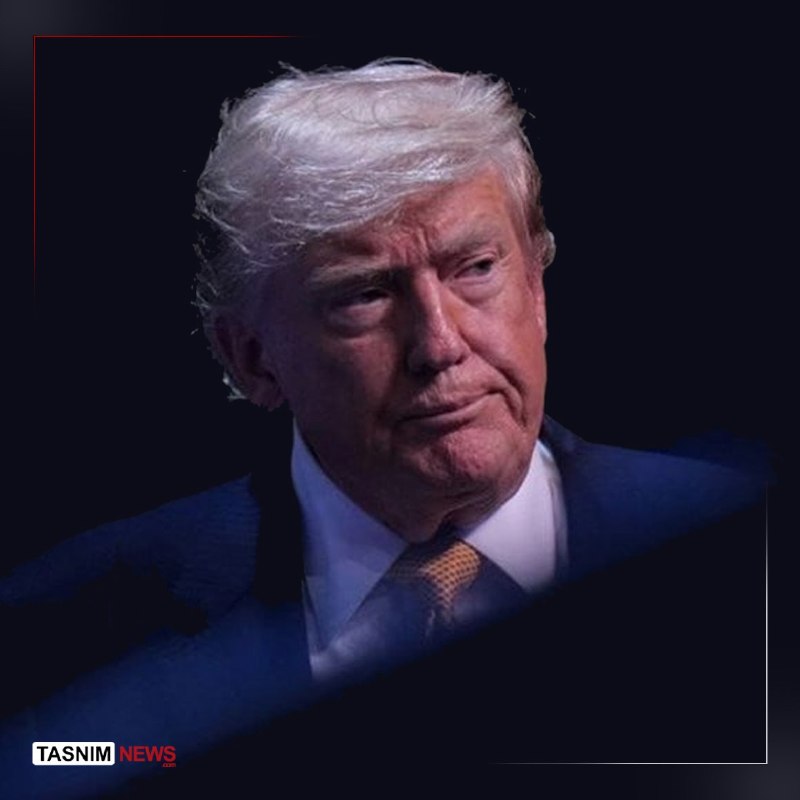
At 02:20 UTC on 19 August 2026, a BRICS News channel alert landed on Telegram with a single line: "JUST IN: US President Trump suspends 50% tariffs against Canada." Three minutes later, Insider Paper pushed a corollary: "US, Canada reach deal to avert Trump's planned 50% tariffs." The suspension arrived hours before the levies were scheduled to take effect on a range of Canadian goods, with the TSX having closed the previous session near a two-week low.
The reprieve is real but provisional. A separate market, the prediction venue Polymarket, was pricing the question at 40% on the morning of 19 August, a near-two-in-five chance that the United States tariff increase on Canada still goes into effect by 31 December 2026. The deal closes one emergency; the contract implies traders do not believe it closes the file.
What was suspended, and on what terms
The 50% rate had been floated as a retaliatory escalation in response to Canadian measures the Trump administration described as unfair to US exporters. Coverage relayed by Investing.com on 18 August at 20:37 UTC tied the move to a broader pressure backdrop, with the cited headline noting that the index ended near a two-week low and that Middle East tensions and the looming US tariff deadline were weighing on sentiment together. The Insider Paper and BRICS News items do not specify what concessions Ottawa offered to pull the rate back, or whether the suspension is time-limited, automatic, or conditional on further negotiation. Monexus assessment: without a published text of the suspension order, the durability of the reprieve rests on the negotiating track, not on the legal instrument.
What the available items do establish is sequencing: a tariff was telegraphed, markets reacted, a deal was reached before activation, and an official proclamation of suspension followed. The deal's substantive terms remain opaque in the source material reviewed here, and no first-party readout from the Canadian Prime Minister's Office or Finance Canada appears in the cited posts.
How the market is reading it
Polymarket's 40% contract on year-end imposition is the most concrete external reading of durability. In a single-contract market, 40% is not the same as a coin-flip; it implies traders believe there is a meaningful probability the underlying dispute re-escalates before 31 December 2026. The cited posts do not show the contract's price history or open interest, so any read on whether that probability has risen or fallen in recent days would be speculation, and this article has not independently established that history.
For Toronto-listed equities, the Investing.com item reports the index ended near a two-week low on 18 August, with inflation cited alongside tariffs as the two named pressures. Monexus assessment: a one-day relief bounce on the suspension is plausible, but the Polymarket print suggests the bid for "tariff tail-risk insurance" on Canadian exposure will not fully unwind until the underlying contract drifts materially lower.
The same morning, three other fronts
The Canada suspension did not arrive in isolation. At 00:51 UTC on 19 August, a Middle East Spectator item reported that CNN was carrying word that President Trump had "formally instructed his administration to cease talks with Iran, instead shifting to a 'maximum pressure' campaign to convince Iran into capitulation." That posture change, if confirmed in primary sources, would remove the negotiating track and replace it with sanctions-enforcement intensification. The cited post paraphrases CNN; CNN's underlying piece and any US administration readout have not been independently verified here.
At 23:39 UTC on 18 August, Insider Paper reported that President Trump "is pushing aides for a meeting as soon as this fall with North Korea's leader Kim Jong Un." No venue, date, or counterpart confirmation appears in the cited post. Read alongside the Iran shift, the day's pattern is one of trade-and-sanctions re-positioning across at least three theatres in roughly twelve hours, though the underlying items differ enough in evidentiary weight that the comparison is suggestive rather than symmetric.
Stakes and what is not yet visible
For Canadian exporters, the immediate arithmetic is favourable: a 50% levy that would have hit a wide cross-section of goods on 19 August is instead paused. For Canadian importers of US goods, and for North American supply chains operating on just-in-time procurement, the Polymarket 40% implies one-year horizon planning should still price an interruption probability well above zero. The contract will be the cleanest public thermometer on whether this suspension hardens into a settlement or softens into a pause.
The Iran shift, if the CNN reporting is borne out in a US administration readout, raises separate stakes for energy markets and for any third-country diplomatic effort currently holding Iran-US channels open. A maximum-pressure posture is a redirection of state capacity, not merely a tone change, and tends to harden secondary sanctions enforcement on European and Asian counterparties. The available posts do not specify which Iran file is being shut down, nuclear, hostage, regional-proxy, or whether any sanctions were already in motion.
The Kim Jong Un push is the softest data point of the three. "Pushing aides for a meeting" is a long step short of a confirmed summit; past US-North Korea cycles have featured similar trial balloons that did not survive contact with working-level scheduling. Treat as a signal of intent, not an event.
Where the evidence thins: the Canada deal's substantive terms, the legal status of the suspension order, the specific sectors covered, any phased timetable for return to baseline tariff treatment, and the response from Canadian Prime Minister's Office or Finance Canada are not specified in the cited posts. The Iran-shift reporting rests on a single Telegram channel paraphrasing CNN; CNN's own published piece, and any official US readout, have not been independently verified here. The North Korea item names no meeting venue, date, or confirmation from Pyongyang's Korean Central News Agency.
The Polymarket page is the single piece of public, continuously-priced evidence on whether this deal holds through year-end. Watch the contract.
Desk note: Monexus led on the sequencing of the suspension versus the activation deadline, and kept the Polymarket price in the same paragraph as the official announcement, rather than burying it. Western wire coverage of the Canadian file tends to close on diplomatic language; the prediction-market price is the cleanest sanity check on whether that language will hold.
Wire provenance
This editorial synthesis draws on the following public wire/social posts:
- https://t.me/bricsnews/17755
- https://t.me/insiderpaper/44002
- https://t.me/Middle_East_Spectator/35987
- https://t.me/insiderpaper/43996
- https://poly.market/gB13emj
- https://x.com/Polymarket/status/2089905278393184328
- https://www.investing.com/news/economy-news/tsx-futures-inch-lower-amid-mideast-tensions-looming-us-tariff-deadline-4865076
- https://t.me/bricsnews/17755
- https://t.me/insiderpaper/44002
- https://t.me/Middle_East_Spectator/35987
- https://t.me/insiderpaper/43996
- https://poly.market/gB13emj
- https://x.com/Polymarket/status/2089905278393184328
- https://www.investing.com/news/economy-news/tsx-futures-inch-lower-amid-mideast-tensions-looming-us-tariff-deadline-4865076