A return by design: Harry and Meghan's reported UK move, six years on
Media reports say the Duke and Duchess of Sussex are preparing to spend more time in Britain. The reporting is thin on what comes after the headline.
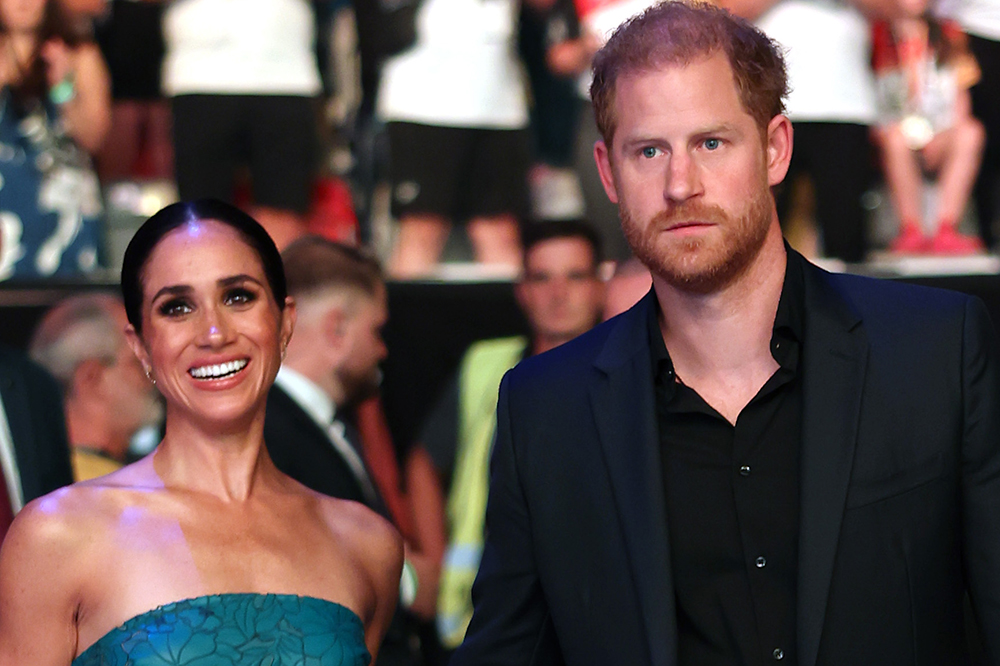
The headline landed across three continents in the small hours of 20 August 2026: Prince Harry and his wife Meghan, the Duchess of Sussex, are preparing to relocate from California to Britain, according to multiple media reports on either side of the Atlantic. Reuters published its account at 01:50 UTC on 20 August. A timeline filed by The New York Times' world news desk the previous evening set the move inside the longer arc of the couple's break with the working monarchy, and what the paper calls their "planned return." South China Morning Post's world desk carried a parallel version at 00:48 UTC, lifting the same Reuters dateline. None of the reporting identifies a specific property, a fixed arrival date, or a defined working role.
The story lands as the couple approach the sixth anniversary of their step back from front-line royal duties in early 2020. That timing is the only hard fact in the current cycle; everything else is the familiar royal-watcher triangulation of unnamed sources, friendly leaks, and carefully placed briefings. The most consequential question, what the Duke and Duchess will actually do once they are back, remains unanswered in the public record.
The calendar around the move
The Reuters item at 01:50 UTC on 20 August is the load-bearing wire of the morning. It frames the move as a "return" rather than a permanent relocation and does not specify a duration. South China Morning Post's parallel filing at 00:48 UTC draws on the same Reuters copy, which means the Asia-side readership received the story inside two minutes of the wire moving. The New York Times' timeline, published in the late US evening of 19 August, runs the longer arc: the couple's departure from working duties in 2020, the move to North America, the loss of UK security arrangements, and the frosty family relations that have coloured every public exchange since. The paper notes plainly that, even on a return, the couple "will remain non-working royals." That single clause is doing a great deal of work, because it implies a category of presence in Britain that the palace has not previously accommodated: family members who are not on the payroll, not on the rota, and not in the official photographs, but who are nonetheless resident.
Reuters also published a companion retrospective at 00:20 UTC, "Key moments in Prince Harry and Meghan's six years in California." The filing is short on editorialising and heavy on the documented public record: the founding of Archewell, the Netflix deal, the Spotify arrangement that unwound, the publication of Harry's memoir "Spare," and the residual controversies around press intrusion and security. The point of the retrospective is to remind readers that the move is not occurring in a vacuum.
What the palace has not said
The reporting is conspicuously clean of any on-the-record palace comment. The available source items do not specify a statement from Buckingham Palace, Kensington Palace, or any named royal household on this move. That silence in the public reporting is consistent with the institution's standard practice on family matters: formal acknowledgement tends to follow, not precede, a confirmed change, and the palace rarely confirms leak-driven reporting. Reuters and The New York Times both treat the move as reported rather than announced. SCMP, picking up the Reuters copy, runs the same wording.
This is the point where the dominant framing deserves pressure. The international wires are unusually careful here; the datelines say "media reports say," not "the couple will move." That grammatical hedge is doing more than style. It signals that the underlying sourcing is the usual mix of unnamed courtiers, US-based Sussex allies, and property-market whispers. The Times' timeline, which is the most editorially substantive of the three, is explicit that "it is unclear what they will do for work or where they will live." That uncertainty is not a footnote. It is the story.
The pattern behind the headline
Strip the celebrity out and the structural pattern is older than the Sussexes. The British monarchy has, for the better part of a century, accommodated a category of family member who is publicly visible but institutionally unpaid. The press treats that category as novel because the Sussexes generated more US-side heat than previous examples, but the mechanism is familiar. What is genuinely fresh is the geography. Previous non-working royals have been resident in the United Kingdom; the Sussexes are coming from California, with US commercial entanglements, a children-first schooling question, and a security footprint that has been litigated publicly. Reuters' retrospective catalogues the commercial and legal residue. The Times' timeline catalogues the institutional one. Neither is settled.
A second structural fact: the timing sits inside a wider news cycle in which the British monarchy is recalibrating its public-facing roster after the accession of King Charles III and the elevated profile of the Prince and Princess of Wales. A returning Duke and Duchess, even in a private capacity, complicates that roster by adding two internationally famous figures to the UK-side story at the very moment when royal coverage is increasingly mediated through US streaming deals and global podcast audiences. That is not the Sussexes' problem to solve; it is the institution's.
What to watch next
Three markers will move the story from rumour to record. First, a fixed UK address, ideally a property with a planning or land-Registry footprint that can be confirmed independently. Second, any formal commentary from Buckingham Palace, which would lock the move into the institution's official ledger and signal a host of second-order decisions about security, protocol, and access. Third, the working question: Archewell's commercial pipeline, any announced UK-side philanthropic vehicle, and the status of the couple's US contracts. The Times' timeline is correct that, until those answers appear, the move is a headline without a subheading.
For now, the dateline does most of the work. The reporting as of 01:50 UTC on 20 August is a relocation that may, or may not, be permanent; the working arrangements remain unspecified; and the available evidence does not include confirmation from any named royal household. The most useful posture for readers is the one the wires themselves adopted: take the move seriously, treat the framing cautiously, and wait for the next fixed point.
Desk note: Monexus treated this as a sourced reporting round-up rather than a celebrity profile. The wire services led, with the Times' timeline providing the only sustained institutional context. Where the headline outran the evidence, this publication said so.
Wire provenance
This editorial synthesis draws on the following public wire/social posts:
- https://reut.rs/4xRqt6g
- https://www.nytimes.com/2026/08/19/world/europe/harry-meghan-uk-royals-timeline.html
- https://www.scmp.com/news/world/europe/article/3364616/prince-harry-and-meghan-move-back-britain-media-reports-say
- https://reut.rs/4qzEEKU
- https://t.me/SCMPNews/109453