Tehran reads the playbook aloud
Iran's foreign minister catalogues fourteen years of US economic pressure and predicts the latest round will fail the same way the others did. The question is whether Washington has a plan B that isn't a rerun.
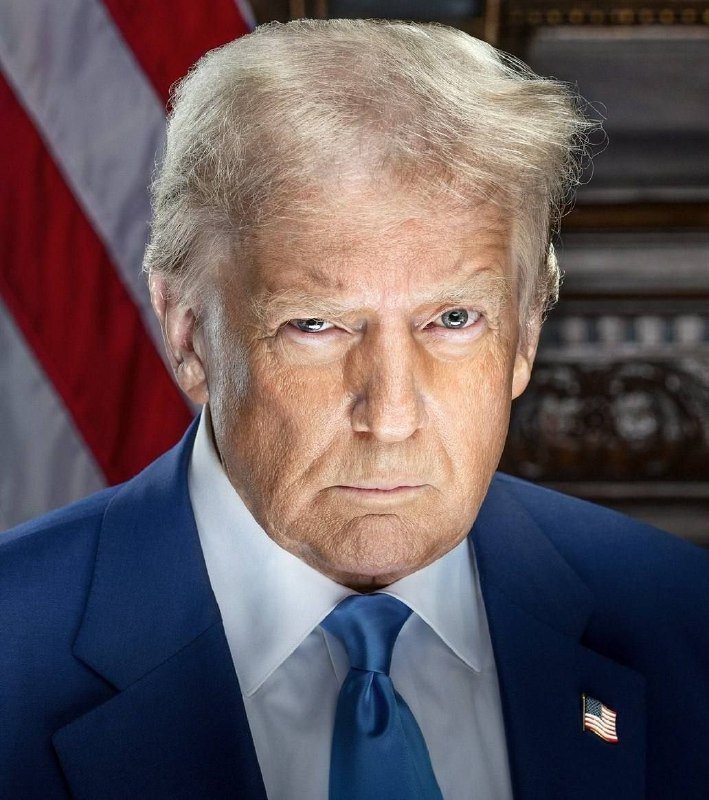
On the afternoon of 21 August 2026, Iranian state outlets published a sharp-edged reaction from Foreign Minister Abbas Araghchi to a US economic pressure campaign that had been rolled out the day before. The Telegram channels Tasnim English, PressTV, Open Source Intel and Clash Report carried paraphrased quotations and a photograph within a roughly thirty-minute window. Every post drew the same contrast: fourteen years of "most crippling sanctions," eight years of "maximum pressure," five months of "unconditional surrender," and now a fresh round that Tehran, in Araghchi's words, has been promised will be the heaviest yet.
The performance is worth reading closely because it tells you what Tehran thinks it is fighting. Monexus reads the messaging as aimed inward at the Iranian street, which has absorbed four rounds of currency collapse, and outward at the foreign ministries being asked to choose between Washington and Tehran in the next quarter. The argument is structural, not sentimental, and it deserves to be taken at face value before it is dismissed.
The argument Araghchi is actually making
Stripped of theatre, the foreign minister's case is narrow. He is not arguing that sanctions are harmless. He is arguing that the escalation ladder is exhausted. Each successive US administration, in his telling, reached for a stronger word ("crippling," then "maximum," then "unconditional surrender") and each time the operative word failed to deliver the political change it was supposed to coerce. PressTV posted the photograph with the caption: "We have seen this movie before. Same bull. Different bullies." Tasnim English rendered the same line as: "This repetitive film is also doomed to failure."
The logic is thermodynamic in shape. A system already at maximum stress cannot be further stressed into motion; what it can do is adapt. The reframing matters because it converts the sanctions file from a problem of the target into a problem of the enforcer.
What the messaging discipline tells us
Three of the four cited posts paraphrase Araghchi rather than publish a primary transcript; only PressTV is flagged as carrying a photograph, and the central line reads as a coordinated message rather than an off-the-cuff remark. Open Source Intel and Clash Report distributed the item in near-identical form within the half-hour. This is how Tehran now sells patience to its own public, and the discipline of the rollout tells you something the words themselves do not.
The audience is not Washington. The audience is the Iranian street, which has lived through four rounds of currency collapse, and a clutch of foreign capitals being courted with the implicit promise that accommodation buys them nothing.
Monexus analysis: a credibility debate, not a sanctions debate
Monexus assessment: what we are watching is not a sanctions debate but a credibility debate. The American economic-pressure toolkit has been the dominant coercive instrument of the post-1990s order. When the target's foreign minister can stand up and tick off three failed iterations in fourteen years and be widely believed, the instrument has begun to discount itself in the market it is supposed to move. Sanctions are a credit instrument. Their value is the target's belief that relief will follow compliance. Araghchi is in the unusual position of being able to publicly devalue that credit because he has watched it default three times.
The deeper structural fact is that the Iranian state has survived the pressure cycle long enough to learn from it. Banks have been de-risked, oil exports are routed through intermediaries and ship-to-ship transfers, and refining capacity has been expanded enough to reduce the gasoline-import chokepoint that earlier rounds exploited. None of this is to argue the Iranian economy is healthy. It is to argue that the marginal pressure available to the next round is smaller than the rhetoric suggests, because the easy adaptations have already been made.
What to watch
Three things in the next week. First, whether any major Chinese or Indian refiner is named in a US Treasury action and whether it acquiesces: Araghchi's claim collapses the moment a large Asian buyer publicly complies with secondary-sanctions pressure. Second, the next IAEA board meeting, which is the venue where the "unconditional surrender" framing has to be translated into a concrete demand document; until then it is rhetoric. Third, whether any senior US official publicly responds to the "same movie" line within 48-72 hours. Silence would be read in Tehran as acquiescence to the argument that there is nothing new to say.
This article cannot independently establish whether the Trump administration's 20 August 2026 announcement of a renewed economic operation, or the Treasury action on ten entities tied to an Iran-linked network reported the same day, materially shifts the picture Araghchi is drawing. The cited posts do not specify the substance of those measures, and the Western wire items naming them fall outside the source set for this article. What the Telegram material does specify is that Tehran's first public response is to argue, in effect, that this is the same movie with the same ending. Whether that is a prophecy or a provocation is the question the next week of diplomacy will answer.
Desk note: The Monexus line on the Iran file treats Tehran's official communications as legitimate primary sources and reads them at face value, without endorsing their framing. Where the Western wire and the Iranian state read the same facts differently, both appear, and the judgment is flagged as Monexus analysis rather than reported.
Wire provenance
This editorial synthesis draws on the following public wire/social posts:
- https://t.me/osintlive/565779
- https://t.me/ClashReport/93174
- https://t.me/presstv/203675
- https://t.me/tasnimnews_en/32389