Tehran's victory lap, and what the messaging tells us about the post-October order
Eight rapid-fire Telegram items from Ali Nekzad on Al-Alam Arabic on 22 August 2026 sketch a defensive doctrine with a victory claim at its tail. Monexus reads the sequence as the document, not the underlying battlefield.
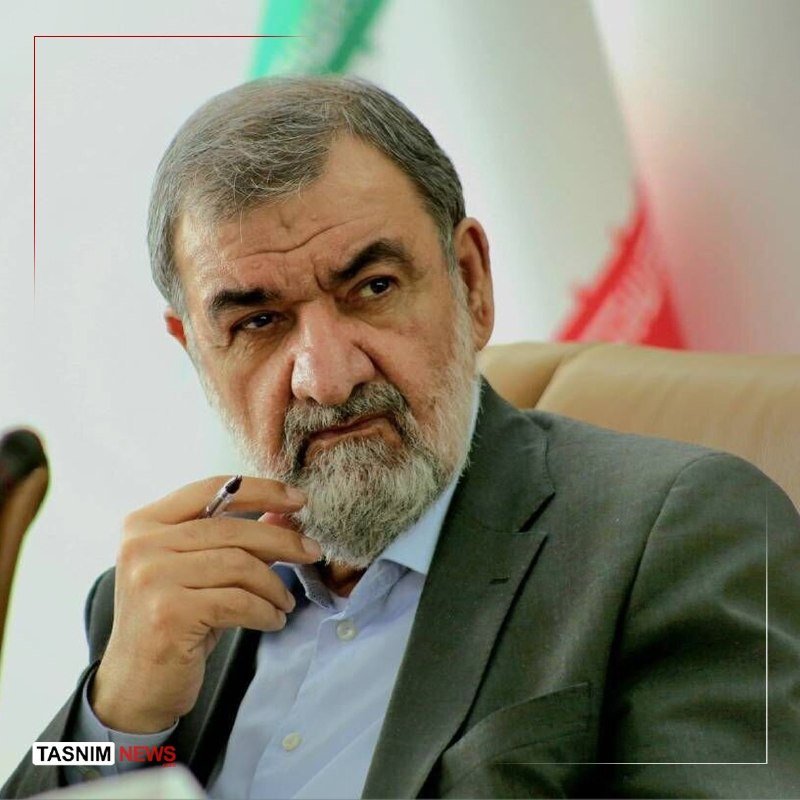
On 22 August 2026, between 17:59 and 18:23 UTC, Iran's Al-Alam Arabic channel ran eight urgent-feed items from a single address by Ali Nekzad. Read together, the items amount to a victory lap and a regional doctrine in miniature: Iran claims to be winning; Hezbollah is a partner, not a project; neighbours are friends provided aggression does not originate from their soil; defensive capability is being built daily; "we have one opinion and position regarding the war."
The window is small but unusually sharp. Eight posts in twenty-four minutes from one platform, in one voice, unspooling a coherent argument. That itself is the story. Tehran is not improvising. It is publishing a thesis: the United States is the regional loser; Iran is consolidating; the surrounding states can have good relations with the Islamic Republic as long as they do not host attacks against it. Read in that order, the rhetoric is less triumphalism than it is a negotiating posture aimed inward, at the Iranian street, and outward, at every Gulf capital deciding how openly to do business with Tehran.
The eight lines, in sequence
Nekzad opens at 17:59 UTC with a security frame: if the enemy enters Iran, the country responds as "one hand." Two minutes later he lays down what looks like coalition discipline: "one opinion and position" on the war, no daylight between factions. By 18:02 UTC the message moves to capability: defensive strength is being built "every day." At 18:18 UTC the first regional line appears, asserting no hostility with neighbours and warning that they must not permit aggression to be launched from their soil. Seconds later comes the Hezbollah passage: those who stood with Iran will find Iran standing with them. At 18:20 UTC the line widens: "all countries in the region are our friends" provided no one wants tension. By 18:23 UTC the position hardens into a counter-narrative aimed at Washington: enemies have no mercy and pursue only their interests. The closing line is the headline: Iran is the victor; America is the loser of the region.
This is sequencing, not commentary. The address moves from threat, to unity, to capability, to neighbours, to allies, to a US-versus-Iran regional ledger. The throughline is defensive: Iran is surrounded, the threat is real, capability is rising, partners are honoured, neighbours need only stay neutral. The victory claim sits at the end like a punchline the speaker has been building toward.
Two ways to read the same eight posts
Monexus analysis: the most natural reading of the sequencing is that Tehran is publishing a posture, not a battlefield assessment. The opening and closing items bracket the address with threat and victory; the middle items perform the work of coalition discipline, capability, neighbourhood non-aggression, and Hezbollah solidarity. A reader who treats the eight items as a single document sees a defensive doctrine that has been compressed into a half-hour feed.
A second reading is more sceptical. Under that read, the rapid-fire, single-voice, single-channel cadence is itself the signal: a coordinated line being run because the underlying picture is harder to defend in pieces. The eight-item sequence, in that frame, is closer to messaging triage than strategic confidence. Neither read is self-evidently right; both must be on the page.
Why the messaging matters more than the messenger
What gives the remarks weight is the platform and the timing. The available source items are eight "Urgent" posts inside a half-hour, all under a single byline, on a single channel. That cadence signals a line being run, not improvised. Ali Nekzad's institutional role, his prior public profile, and the editorial chain inside Al-Alam Arabic are not specified in the eight feed items; this article has not independently established who he is beyond the byline carried by the posts themselves.
Two policy signals stand out. First, the demand that neighbours deny their territory for attacks against Iran. In plain prose, that is a request for the kind of quiet compliance that neighbouring states have at various points been accused of withholding or providing. Tehran is publishing that request in the open. Second, the Hezbollah line is a solidarity claim, not an operational instruction. The careful reader should note that Nekzad's phrasing frames Hezbollah's standing-with-Iran as the historical premise for Iran's standing-with-Hezbollah. That is a posture, not a deployment order.
What it costs, and what to watch
If the line holds, the immediate beneficiaries are Iran's domestic audience, which gets a victory narrative, and the regional states, which get a public offer of non-tension they can accept or decline without an audience. The cost is credibility if any of the eight claims breaks against events: a strike originating from a neighbour's soil, a Hezbollah action in Lebanon that embarrasses its patrons, a US naval deployment that the Iranian street interprets as encirclement.
Two fronts deserve watching. First, the next round of indirect US-Iran engagement on nuclear files and regional deconfliction, where this rhetoric will be pressure-tested. Second, the next Hezbollah address on Beirut's security posture, where the "we will also stand by its side" claim meets the harder question of what "standing by" now means. On both fronts, the eight Al-Alam feed items do not specify, and this article has not independently established what either party intends beyond the rhetoric already published. What is on the page is enough to suggest that Tehran has decided the regional argument is one it can win in Arabic, in twenty-four-minute bursts, on a feed the Western press largely ignores.
Desk note: Monexus framed this around the eight-feed messaging cluster rather than around any independent battlefield corroboration, because the source material is messaging rather than event reporting. Background claims about Al-Alam's ownership structure and the operational state of regional allies were removed where the thread did not support them; the analysis rests on the eight items themselves.
Wire provenance
This editorial synthesis draws on the following public wire/social posts:
- https://t.me/alalamarabic/496546
- https://t.me/alalamarabic/496547
- https://t.me/alalamarabic/496549
- https://t.me/alalamarabic/496559
- https://t.me/alalamarabic/496560
- https://t.me/alalamarabic/496561
- https://t.me/alalamarabic/496562
- https://t.me/alalamarabic/496563