The Iran card Tehran wants Americans to see
Iranian state media framed Donald Trump's remarks as a last-minute attempt to lower oil prices before the US midterms. The claim is revealing, but the speech itself is not independently established here.
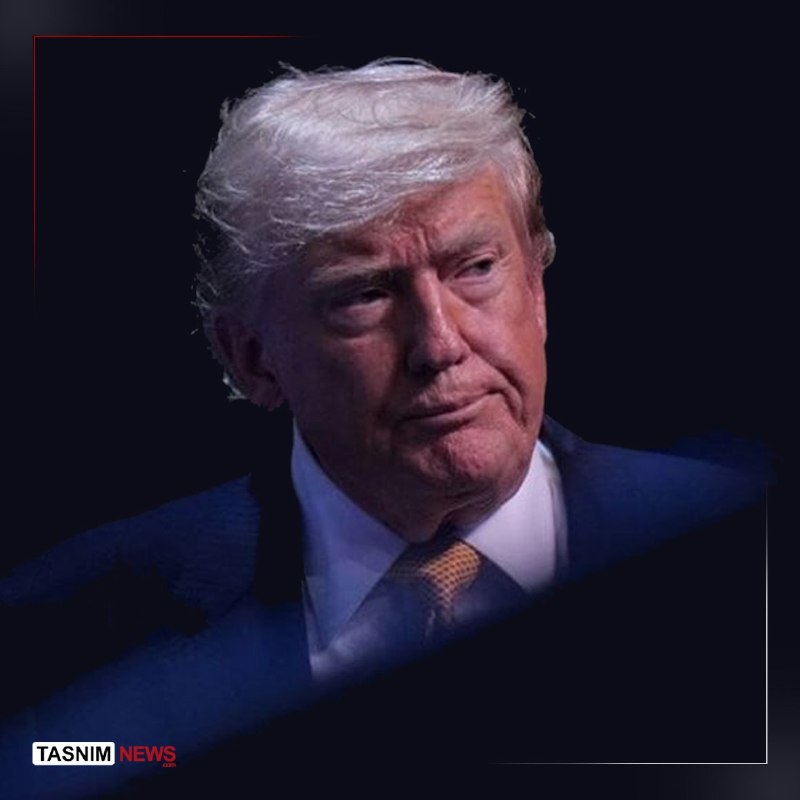
The first clue is not the claim about Iran. It is the speed and consistency with which Iranian state-linked channels selected a single interpretation of Donald Trump's remarks. Between 23:25 and 23:54 UTC on 21 August 2026, Tasnim and its Persian-language Jahan Tasnim channel described an attempt to reduce oil prices through an "Iran card" as the mid-term elections approached. By 02:20 UTC on 22 August, Al-Alam was circulating a video summary that paired the remarks with Trump's warning that he could be impeached if his party loses those elections.
That sequence matters, but not because it proves what Trump actually promised. The supplied items are state-media posts, not a White House transcript, a campaign recording, or an independent report from the speech. They establish a message that Tasnim and Al-Alam wanted their audiences to receive: US policy toward Iran is being driven by domestic electoral pressure, and the oil-price argument should be read as a political tactic. The important story is therefore the framing, and the certainty attached to it.
A frame built for an anxious market
Tasnim's English feed used the headline "Trump's desperate attempt to lower oil prices with the 'Iran' card" at 23:33 UTC on 21 August. Its Persian-language channel published the same interpretation at 23:25 and 23:31 UTC. The repetition is not proof of a coordinated newsroom order, and the supplied items do not establish one. It is evidence of convergence in the message that two branded channels chose to publish within a short period.
Monexus analysis: the framing links three anxieties in one sentence. The first is Trump's political vulnerability. The second is the possibility that Iran policy can be traded for an economic benefit. The third is the claim that electoral timing, rather than durable bargaining, explains US conduct. Each element makes the other more persuasive. A warning about impeachment supplies motive; an oil-price argument supplies scale; the word "Iran" supplies a familiar geopolitical object onto which both can be attached.
The economic premise is also carefully chosen. Oil prices affect households and businesses, so a claim about lowering them sounds concrete even when the source items do not specify the policy mechanism, the benchmark price, or the expected timing of any effect. That omission is important. "Using the Iran card" is an editorial description of political intent, not a documented account of how exports, sanctions, shipping, or production would change.
The protest is reported, the meaning is not
Separate posts from Tasnim English, Tasnim Plus, and Al-Alam described a protester entering the crowd and briefly disrupting Trump's speech. The Tasnim English item was posted at 00:01 UTC on 22 August; the Al-Alam item followed at 00:07 UTC. The supplied items do not specify the protester's identity, the words shouted, the venue, or the response by the campaign.
That limits what can responsibly be inferred. The disruption may have been a genuine interruption of a public event. The state-linked outlets' treatment of it as a symbol of Trump's vulnerability is a narrative choice, not an independent finding about US political sentiment. Two reports can corroborate that an interruption was reported without corroborating the political conclusion attached to it.
The same caution applies to the impeachment warning. The Al-Alam item presents a video summary under the title "Trump: If we lose in the mid-term elections, I will be impeached. They have no idea why?" The wording should be treated as the outlet's presentation of the remark, not as a verified transcript. The source set contains no first-party White House or campaign record that would establish the exact words, the circumstances, or the speaker's full argument.
What Tehran gains by making the speech about elections
The framing is not irrational. Electoral incentives can shape political language, particularly when leaders need to associate themselves with lower living costs. If Trump did present an Iran-related oil-price argument, describing it as an election strategy would be a plausible interpretation of the timing and political purpose.
But that reading has a boundary. It explains why a leader might emphasise a policy benefit. It does not show that the policy itself is empty, reversible, or insincere. The available source items do not establish the terms of any negotiation, the existence of a concession, or the reaction of energy markets. The proper conclusion is narrower: the Iranian state-linked channels are publicly contesting the meaning of the remarks before those claims have been independently documented in this source set.
There is also a media problem. Tasnim and Al-Alam used inflammatory language, including the description of Trump as the head of the "terrorist state of America". That is editorial framing, not a neutral institutional description. Treating those outlets as witnesses to the underlying event while rejecting their political vocabulary requires a clear distinction between what they report and how they interpret it. The current evidence supports only the former with limited confidence.
The line that matters now
The next useful test is not another headline about Trump's alleged desperation. It is a verifiable policy or first-party record: a White House statement, a campaign release, a transcript, a recorded speech, or an official announcement specifying what action involving Iran is meant to lower oil prices and when it would operate. Until such a record appears, the electoral interpretation remains an attributed state-media frame rather than an established fact.
The larger contest is over who gets to define the political meaning of a foreign-policy signal. Tehran's channels are not merely translating the story. They are telling their audiences what to see in it: an American president weakened at home, an oil market waiting for relief, and an Iran policy subordinated to the calendar. That is a powerful message precisely because it is simple. It should be reported as a message, not mistaken for proof of the reality it claims to explain.
Desk note: Monexus distinguishes the reported interruption and the state-linked outlets' political interpretations from independently verified first-party material, which the supplied source set does not include.
Wire provenance
This editorial synthesis draws on the following public wire/social posts:
- https://t.me/tasnimnews_en/32449
- https://t.me/tasnimnews_en/32451
- https://t.me/JahanTasnim/231067
- https://t.me/JahanTasnim/231068
- https://t.me/tasnimplus/119820
- https://t.me/alalamfa/350323
- https://t.me/alalamfa/350329