Kinshasa and M23 agree a roadmap, but the hard politics sit in Kigali
DR Congo and the Rwanda-backed AFC/M23 group endorsed a peace roadmap in Doha-mediated talks. The text is a procedural step; the binding questions remain the troop presence in the east and who counts as a legitimate interlocutor.
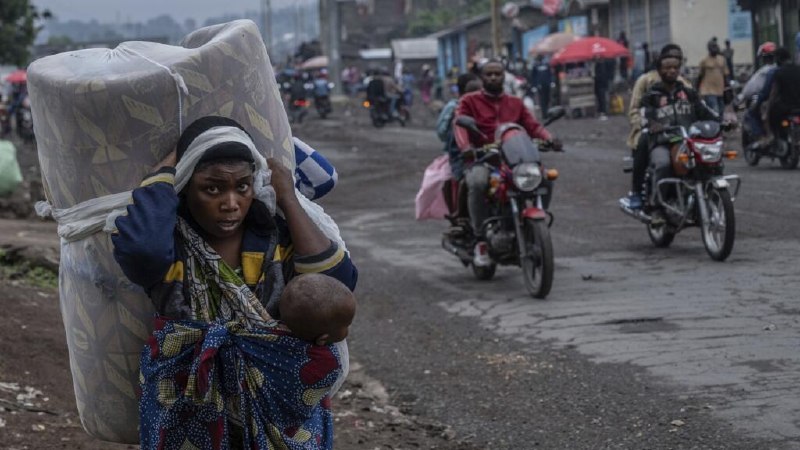
Negotiators for the Democratic Republic of Congo and the Rwanda-backed AFC/M23 armed group published a joint statement on 23 August 2026 setting out a roadmap for peace talks, with the US State Department among the mediators that helped broker the text. The document is procedural, but it lands in a war that has been anything but: a multi-year eastern offensive that has displaced millions, strained Kinshasa's relations with Kigali to breaking point, and pulled in regional players from Doha to Washington.
The roadmap is a starting gun, not a settlement. Its value is in putting the two principal armed-political actors in the same room, under the same cover text, and in giving the United States a seat at a table that has long been dominated by Angolan, Kenyan and Ugandan intermediaries. Read narrowly, this is a confidence-building measure. Read against the wider trajectory of the Great Lakes conflict, it is something more consequential: an admission that the eastern DRC problem will not be resolved by force alone, and that the political map has to be redrawn somewhere between Goma, Kinshasa and Kigali.
What the text actually says
According to France 24 and Deutsche Welle, the joint statement confirmed an agreed roadmap for peace negotiations between the DRC government side and the AFC/M23 movement, with the US State Department identified as a mediator that helped release the text. Both wire reports frame the outcome as procedural: a framework, not a ceasefire. The available reporting does not specify the precise contents of the roadmap beyond its existence and the parties' endorsement of it. That matters. In previous rounds of Great Lakes diplomacy, framework documents have been quietly shelved once one side judged the military balance unfavourable. The test of this text is whether it produces a follow-on ceasefire, a prisoner exchange, or another signed annex within weeks, not months.
The Kigali question the roadmap does not solve
M23's military weight rests on Rwandan logistical and operational support, a fact documented across UN panels of experts and Western wire reporting for over a decade. That external backing is the structural reason previous ceasefire attempts have failed: any deal between Kinshasa and the movement has to either convince Kigali to withdraw support, or accept a sphere of Rwandan influence inside Congolese territory. Neither outcome is politically cheap.
The US decision to attach its name to the mediator role changes the diplomatic geometry. Doha-style talks have tended to keep the file in Gulf hands; Washington joining the podium pulls the question into the State Department's Africa bureau and, behind it, into the conversation between the US and Rwanda over Rwandan interests in the east. Monexus assessment: this is less about American leverage over M23 than about leverage over Rwanda. A roadmap that does not move Kigali is a roadmap that does not move the war.
Why a procedural step still matters
The Congolese eastern conflict has repeatedly collapsed into what looks, from the outside, like a permanent emergency: cycles of offensives around North Kivu, mass displacement into Goma and Bunia, sanctions rhetoric against Kigali that never quite turns into a sustained policy. Roadmaps and ceasefire agreements signed under external mediation have come and gone.
What is different this round is the political alignment of the mediators. Doha provides the convening power; Washington brings the capacity to coordinate with European capitals that hold sanctions files against Rwandan individuals and entities. If the same text is being shepherded by both, the cost to either side of walking away becomes visible to a wider audience. The risk is the inverse: that a procedural document becomes a substitute for a political settlement, the headlines move on, and the frontline resumes its drift.
Stakes and what to watch next
The next four to six weeks will tell whether this is a real negotiation or a pause for re-supply. Watch for: a follow-on ceasefire annex with named cantonment sites; any movement on MONUSCO's posture in North Kivu; whether Kinshasa names a single lead negotiator with cabinet authority, or rotates its delegation as it has in past rounds; and whether the State Department publicly names its point-person. The available sources do not specify any of those details, which is itself the point: this is a framework without furniture.
The structural stakes are larger than the document. A negotiated end to the M23 phase would test whether the wider crisis of armed political movements in eastern DRC, dozens of groups beyond M23, can be folded into a single political settlement, or whether resolving one front simply opens another. It would also set a precedent for how the US, Gulf states and African regional bodies divide the mediation labour across the continent. The roadmap is in. The harder conversations have yet to start.
Desk note: Monexus frames this as a procedural opening that shifts diplomatic weight toward Washington, not as a breakthrough. Wire coverage emphasised the existence of the roadmap and the mediator lineup; the document's substance was not in the reporting this desk read.
Wire provenance
This editorial synthesis draws on the following public wire/social posts:
- https://www.france24.com/en/africa/20260823-dr-congo-afc-m23-group-agree-on-roadmap-for-peace-negotiations-after-swiss-talks
- https://www.dw.com/en/congo-m23-rebels-agree-to-peace-roadmap/a-78476169?maca=en-rss-en-all-1573-rdf
- https://f24.my/C7Pp.g
- https://t.me/france24_en/18327