Rial at all-time low as Tehran's neighbours face US sanctions ultimatum over Hormuz
The rial trades at a record low and Polymarket puts the odds of a US-Iran Hormuz deal at 13 percent, as Tehran publicly pressures regional capitals against joining US sanctions enforcement.
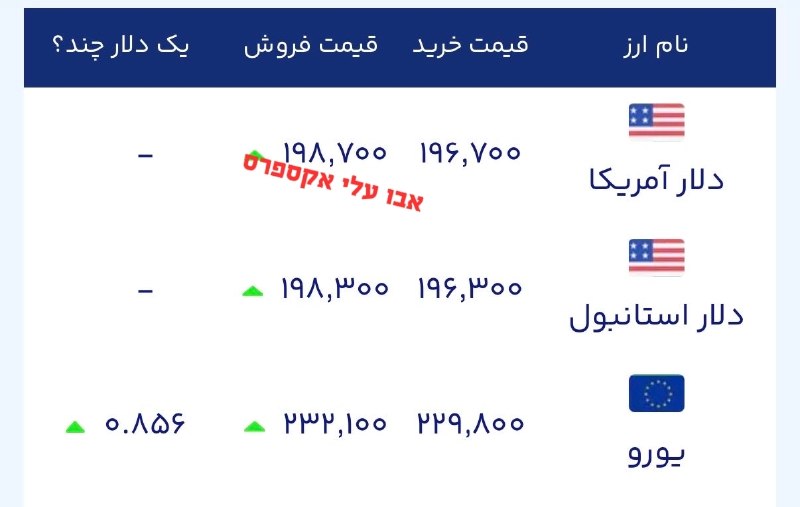
The Iranian rial touched an all-time low against the dollar in trading on the morning of 23 August 2026, the English-language Telegram channel @englishabuali reported at 08:43 UTC, citing the rial's collapse against the backdrop of what it described as an "effective American blockade" of the Strait of Hormuz and "crippling sanctions" signalled by senior US officials. The post frames the move as the financial spillover of a military-economic squeeze on the country's main export corridor rather than a routine depreciation cycle.
What is unfolding is not a single decision but a layered escalation: a chokepoint under pressure, a currency under stress, and a regional diplomatic campaign aimed at stopping Iran's neighbours from closing off the financial loopholes that keep the rial functioning at all. Each lever feeds the others.
The blockade question
The framing in the @englishabuali post, repeated across Iranian-aligned channels, treats the US naval posture in the Strait of Hormuz as functionally equivalent to a blockade. That is a contested characterisation. The US Fifth Fleet and its partners have, in past crises, conducted targeted interdictions of Iranian-linked shipping rather than a declared closure of the strait itself. What the cited posts do not specify is whether the current operation is a formal blockade declaration, a sanctions-evasion interdiction campaign, or an enhanced patrol posture described in those terms by Tehran-aligned outlets.
What can be said from the available material is that shipping access through Hormuz is being treated as an instrument of pressure rather than a routine transit. Iran's neighbours are now being asked to choose sides in that contest, in writing, with sanctions enforcement as the lever.
A message to the neighbours
The 23 August 2026 Investing.com wire sharpened the picture. Iran's official messaging directed at neighbouring states warned them against aligning with US sanctions enforcement while the strait remains effectively closed. The wire framed the warning as part of a coordinated Tehran push to keep regional trade and energy flows in dollars that Iran can ultimately access, directly or through intermediaries, and to prevent Gulf ports from becoming enforcement nodes for secondary sanctions.
Press TV, an Iranian state English-language outlet, was simultaneously carrying domestic political material that critics inside the country described as apologetic, including an open letter defending Iranian political prisoners that critics said misrepresented Iran's record. The episode is incidental to the sanctions story but illustrates the tone of state messaging at a moment when Tehran is asking foreign capitals to absorb real economic costs on its behalf.
Currency stress as a signal
A currency is a vote on the future, cast by everyone holding it. The rial's move to an all-time low is the clearest market signal in the cluster of source items, because it is the price at which Iranians are currently willing to swap their local unit of account for dollars. Three things tend to drive that price: confidence in the central bank's ability to defend a level, access to foreign currency through export earnings, and access to foreign currency through the informal financial system.
A blockade-style squeeze on Hormuz hits the first two of those directly by cutting oil export receipts. It hits the third indirectly by giving Gulf banks and money-exchange houses a strong incentive to refuse rial-denominated business with Iranian counterparties for fear of secondary-sanctions exposure. The rial print is the cleanest single read on how those pressures are compounding.
The 13-percent problem
The prediction market Polymarket was pricing a US-Iran Hormuz deal by the end of September 2026 at 13 percent as of 22 August 2026, 17:14 UTC. That is a low number, but it is not zero. It says the market sees a roughly one-in-eight chance that diplomacy produces an off-ramp within the next five weeks, and a roughly seven-in-eight chance that the current posture persists through that window.
Markets do not predict. They aggregate what participants are willing to stake against what they would have to pay out. A 13-percent price is consistent with two readings. The first is that the situation is genuinely locked, with neither side willing to move first. The second is that the timing and the substance of any deal remain so opaque that informed participants cannot price the path with confidence. Both readings point to the same operational implication: until something changes, the rial, the strait, and the sanctions regime are the same story.
What the sources do not specify
The available source items do not specify which neighbouring states have been warned by name, what response any Gulf capital has issued publicly, or whether the US Treasury has published new guidance on secondary sanctions enforcement in the past 72 hours. They do not specify the level at which the rial traded before the latest move, the size of any central bank intervention, or the volume of crude currently moving through Hormuz relative to baseline. Each of those would tighten the picture materially. Until they are filled in from primary sources, the analysis above is necessarily directional rather than precise.
Desk note: Monexus treated this as a market-and-corridor story first and a diplomacy story second. Iranian state-media framing of the operation as a blockade is reported as Iranian framing; the underlying squeeze on the rial is treated as a hard data point independent of how either side characterises the strait.
Wire provenance
This editorial synthesis draws on the following public wire/social posts:
- https://t.me/englishabuali/78158
- https://t.me/presstv/203870
- https://www.investing.com/news/economy-news/iran-warns-neighbours-against-joining-us-sanctions-as-hormuz-stays-closed-4872428
- https://poly.market/ZwLS431
- https://x.com/Polymarket/status/2091212379979669583