Tehran warns third countries against aligning with new US sanctions push
An Iran-aligned outlet carried a warning that any government aligning with a new US sanctions package would be treated as an enemy, while Reuters filed Tehran's dismissal of the US move as the work of a "desperate" administration on 23 August 2026.
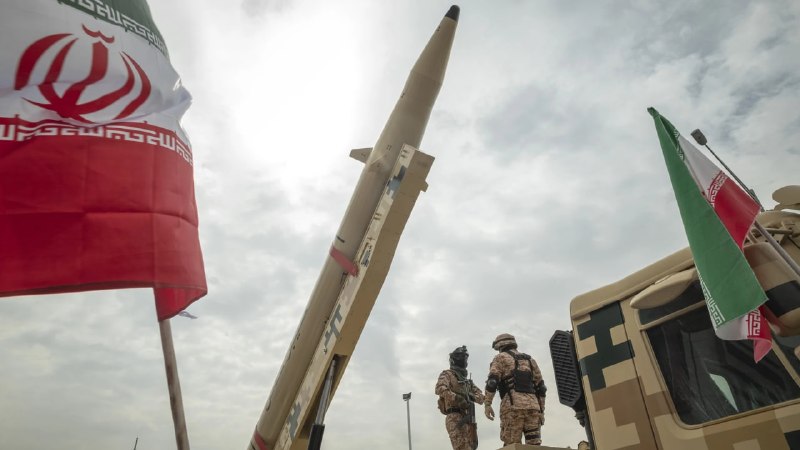
On 23 August 2026, an Iran-aligned outlet carried a warning that any government aligning itself with a new US sanctions package would be treated as an enemy. The Cradle Media posted the message at 12:52 UTC, framing the dispute in its headline as an economic war that foreign capitals were being asked to join. Al Jazeera English's breaking-news feed, posting at 11:50 UTC, attributed the warning to what it called "Iran's security chief," without naming the individual; Reuters, posting at 12:35 UTC, carried Tehran's separate characterisation of the US move as the work of a "desperate" administration.
The reported trigger is a US Treasury Department declaration that The Cradle characterised, in its own framing, as promising the "toughest sanctions in history" against any country that does not comply with Washington's pressure campaign. None of the three cited items publishes the underlying Treasury text or identifies the legal instrument being invoked. The dispute on 23 August is being waged in the register of headlines and threats, not the register of designations.
What the available sources actually say
The three cited items landed within roughly two hours of one another on 23 August 2026: Al Jazeera at 11:50 UTC, Reuters at 12:35 UTC, and The Cradle at 12:52 UTC. Each carries a different layer of the same exchange.
Al Jazeera's item, headed "Can Iran retaliate against countries that join US 'economic war'?", is the only one of the three to attribute the warning to a specific role within the Iranian system. The outlet's own excerpt refers to "Iran's security chief" having "warned of retaliation against countries joining US 'economic war'"; the item does not name the individual. Reuters, by contrast, filed Tehran's broader political characterisation of the US administration as "desperate" but did not specify which Iranian institution or official issued that line. The Cradle's post leads with the formulation "you will become our enemy" and frames the call as a deterrent aimed at capitals considering alignment with Washington's next sanctions package.
None of the three items identifies the legal authority the Treasury has invoked, the country list Washington is trying to assemble, or the specific retaliation pathways Tehran is preparing. Reuters's headline reads "Iran says new sanctions threatened by 'desperate' US will fail"; that line is Tehran's framing, not Reuters's. The Cradle's "economic war" formulation is likewise the outlet's own characterisation of how Tehran is pitching the dispute. Al Jazeera's framing is analytical, raising the retaliation question without answering it.
The attribution question
Monexus analysis: attribution is the first thing to get right in a story like this, because the rest of the reading depends on whose voice is actually in the room. Of the three cited items, only Al Jazeera names a role at all, and that role is described generically as "Iran's security chief" without a surname or portfolio. The Cradle attributes the call to "Iran" urging "all nations," which is institutional shorthand rather than identification. Reuters does not name the issuer of its "desperate" characterisation.
This means the strongest attribution the cited evidence supports on 23 August is that an unspecified Iranian security official, described by Al Jazeera as the country's security chief, warned third countries against aligning with the US push, and that an unspecified Iranian voice, relayed by Reuters, characterised the US administration as desperate. The body of earlier similar language in Iran's English-language messaging has, in some external reporting not contained in the cited thread items, been attributed to foreign ministry spokesman Esmaeil Baqaei. The cited sources for this article do not independently confirm or deny that attribution; they record only the roles and formulations actually named in the 23 August items.
Why Tehran is signalling now
Monexus analysis: the timing matters, and so does the audience. Maximum-pressure sanctions work only if third countries enforce them. By pre-labelling any co-signatory an enemy in The Cradle's framing, Tehran is attempting to raise the political cost of compliance for the very governments Washington needs to make the squeeze bite. The warning, on this reading, is best understood not as a threat to escalate against the United States directly, but as an attempt to fragment the coalition Washington is trying to build.
The structural pattern is familiar. Iran's counter-pressure in past rounds of sanctions escalation has run through the same playbook: warnings to neighbours, threats to Gulf shipping, the threat of regional escalation, and diplomatic pressure inside forums where Washington is isolated. The 23 August reporting fits that template. What is new is the explicit targeting of third countries, rather than the United States, as the audience for the deterrent.
Al Jazeera's framing captures the operative constraint. Iran cannot, on its own, cut a third country off from dollar clearing. What it can do is project risk: through proxy networks that operate across the Middle East, through asymmetric retaliation in the Gulf, through carefully calibrated energy disruptions, and through diplomatic pressure in forums where the US is isolated. The cited items do not specify which of those tools Tehran intends to pull first.
What remains uncertain
Three questions the cited sources do not answer will decide how this plays out. First, the legal architecture of the US package: whether the Treasury is layering new designations onto existing Iran sanctions authorities, or whether this is a fresh executive action targeting specific sectors or counterparties. The Cradle's reporting references a declaration promising the "toughest sanctions in history" without identifying the underlying statutory authority.
Second, the identity of the warning's issuer at the level a reader can verify. Al Jazeera's item names "Iran's security chief" as the role; Reuters and The Cradle name no individual or portfolio. Until a first-party Iranian government source or a named Western wire reporter confirms the specific official, the attribution rests at the role level Al Jazeera has supplied.
Third, the size of the alignment list Washington is trying to assemble. Maximum-pressure works on the assumption that most of Iran's trading partners will comply. The Tehran warning only matters if the coalition Washington is courting is large enough to make the cost of defection from US alignment real for those governments. None of the cited items enumerates that coalition.
Until the Treasury text is public and the designations are operational, the dispute is being waged in the register of threats rather than the register of measures. The next forty-eight hours will tell whether either side moves first.
How Monexus framed this: the wire accounts and the Iran-aligned outlet agree on the sequence of events but differ on emphasis. The Cradle foregrounds the deterrent warning to third countries, using its own "economic war" framing. Reuters foregrounds Tehran's dismissal of the US as "desperate." Al Jazeera, the only one of the three to attribute the warning to a specific role, names "Iran's security chief" without further identification. Monexus analysis: the conflict over narrative is itself part of the substance. Iran is not waiting for the sanctions architecture to be built before it tries to deny Washington the coalition that architecture requires.
Wire provenance
This editorial synthesis draws on the following public wire/social posts:
- https://t.me/thecradlemedia/66694
- https://t.me/TheCradleMedia/66694
- http://reut.rs/4y1YhxM
- https://x.com/Reuters/status/2091504500368457836
- https://www.aljazeera.com/news/2026/8/23/can-iran-retaliate-against-countries-that-join-us-economic-war?traffic_source=rss