Two Russian industrial sites reported hit as Ukrainian strikes widen across distance and sector
Ukrainian drone attacks were reported on an Ozon logistics centre in Orenburg and an industrial site in Kolpino near St. Petersburg on 23 August 2026. The incidents point to a widening targeting pattern, but the available source items do not establish the sequence of the attacks or the military character of either facility.
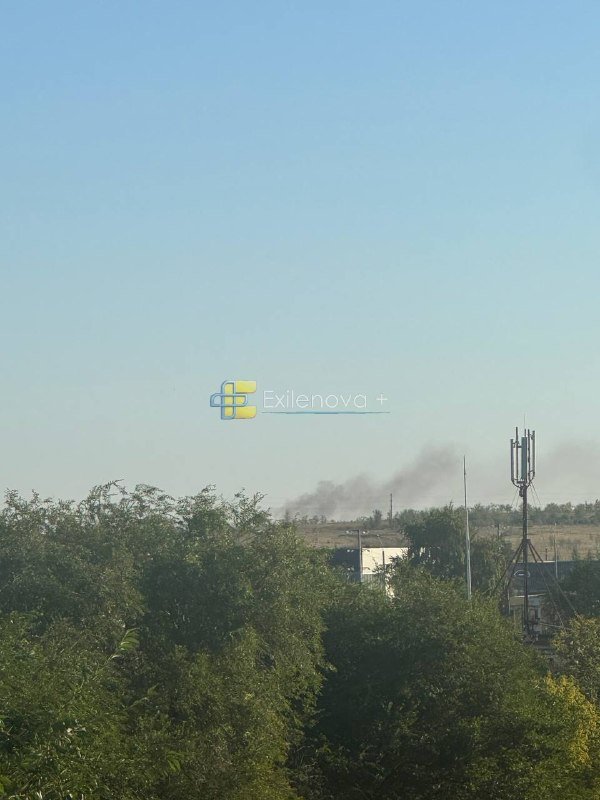
Two reports published on 23 August 2026 placed Ukrainian drone attacks at industrial and logistics sites hundreds of kilometres apart: the Izhora industrial zone in Kolpino near St. Petersburg and an Ozon logistics centre in Orenburg. Kyiv Post reported that the Izhora fire expanded beyond 80,000 square metres. Noel Reports separately said the Orenburg facility, described as covering about 200,000 square metres, recorded at least one impact, although no major fire was visible when the post appeared at 06:31 UTC.
The geographic separation is the central fact. Reports arriving within a narrow window of the morning describe attacks on a heavy-engineering complex in Russia's north-west and a logistics facility in Orenburg, more than 1,000 kilometres away. The available source items establish the locations, the reported scale of the Izhora fire and the reported impact at Orenburg. They do not establish the precise order of the attacks.
The incidents therefore support a narrower conclusion than the most dramatic versions of the overnight story. Ukraine's ability to threaten infrastructure across a wide area is evident in the reporting, but the available posts do not prove that the two incidents formed one coordinated operation, that one occurred before the other, or that either facility served a military purpose.
What the reports establish
The Izhora report came from Kyiv Post's official Telegram account at 06:01 UTC. The post described a major overnight fire that expanded beyond 80,000 square metres at the industrial zone in Kolpino near St. Petersburg. It also placed the site near an Ozon logistics hub and other major industrial facilities.
Noel Reports, posting at 06:25 UTC, described a large fire engulfing a warehouse complex at the Izhora industrial site after Ukrainian drone attacks. The post characterised the surrounding area as hosting heavy engineering, metallurgy and metal-products facilities. At 04:32 UTC, Clash Report had already published a post referring to a major fire near St. Petersburg and an Ozon warehouse in Orenburg reportedly hit in a Ukrainian attack.
The Orenburg reports are more limited in detail. Noel Reports said at 06:31 UTC that Ukrainian forces struck an Ozon logistics centre, with at least one impact reported and no major fire visible at the time. Wartranslated separately reported that an Ozon warehouse in Orenburg was attacked that morning. The available posts do not specify the precise time of impact, the number of drones, the weapon involved, or the damage inside the facility.
The source material is therefore stronger on the existence and location of the two reported strikes than on their operational relationship. The four-channel record provides corroboration of the general picture, but it does not supply a common timeline or first-party account from either site.
A wider geographic problem
The reports show Ukrainian forces striking across a substantial internal distance. Kolpino lies near St. Petersburg, while Orenburg is in the Urals region. That separation matters for the assessment of reach, but it does not by itself prove coordination or operational scale.
Monexus analysis: the significance lies in the combination of distance and target type. The reported incidents involve a logistics centre and an industrial zone, rather than a single facility. Even without evidence of a shared flight plan, the reports point to pressure being applied across more than one part of Russia's industrial and distribution system.
A counter-reading is equally important. Two incidents reported during the same news cycle may not constitute one operation. Telegram channels can publish items at different times, and the first available report does not necessarily represent the first event on the ground. The evidence supports a widening pattern of reported deep strikes, but not a precise claim about simultaneity.
That distinction is not semantic. Military and political interpretation changes depending on whether the events were coordinated, whether they involved different drone packages, and whether they were selected for a common operational purpose. Until a first-party Ukrainian statement or independently corroborated technical record emerges, the safer conclusion is limited to the reported spread of the incidents.
The target question remains open
The facilities were described as commercial or industrial sites. The Izhora area was reported to contain heavy engineering, metallurgy and metal-products facilities, while the Orenburg site was identified as an Ozon logistics centre. Those descriptions do not establish whether either location supported military logistics, weapons production or another function relevant to Russia's full-scale invasion of Ukraine.
The available source items do not specify which enterprises at the Izhora zone were affected, whether the Orenburg warehouse contained military-adjacent cargo, or whether any military equipment was present. They also do not provide casualty figures. The posts should not be read as resolving that question.
This uncertainty limits the language used to describe the strikes. It is supportable to call them attacks on reported industrial and logistics infrastructure. It is not supportable from the supplied material to call the sites dual-use, military-adjacent, or purely civilian.
Why the distinction matters
If the reported pattern continues, the burden on Russian infrastructure protection will grow across a wider geography. Industrial fires, damaged logistics space and repeated alerts can impose costs even when the physical damage at one site is limited. Monexus assessment: the strategic value of such attacks would therefore depend less on the symbolic identity of a warehouse or industrial park than on the cumulative effect on logistics, production and the allocation of air-defence resources.
That is an assessment of the reported pattern, not a description of confirmed damage. The supplied posts do not establish the condition of either facility after the initial reports, the value of the material inside them, or the effect on local production. The economic and military consequences remain open.
The next 48 hours should bring better evidence. Ukrainian or Russian authorities may issue operational statements, Ozon or site operators may describe the damage, and independent reporting may establish the order of the incidents. Until then, the strongest claim is that the available reporting depicts two Ukrainian attacks at widely separated Russian industrial and logistics locations on 23 August 2026. The wider campaign is real enough to demand scrutiny, but this set of posts cannot establish the attacks' precise sequencing or purpose.
Desk note: Monexus treated the Telegram reports as attributed claims, distinguished the supported geographic and damage details from the unresolved sequence and target-function questions, and avoided treating a commercial site's identity as evidence of a military role.
Wire provenance
This editorial synthesis draws on the following public wire/social posts:
- https://t.me/wartranslated/18273
- https://t.me/noel_reports/51533
- https://t.me/noel_reports/51528
- https://t.me/Kyivpost_official/38907
- https://t.me/ClashReport/93340