Trump sets 1 January 2027 trigger for 50% Canadian auto and steel tariffs
On 24 August 2026 President Donald Trump said on social media that US duties on Canadian cars, trucks, automotive parts and steel will rise to 50% on 1 January 2027, putting a dated trigger on an already-frozen bilateral trade relationship.
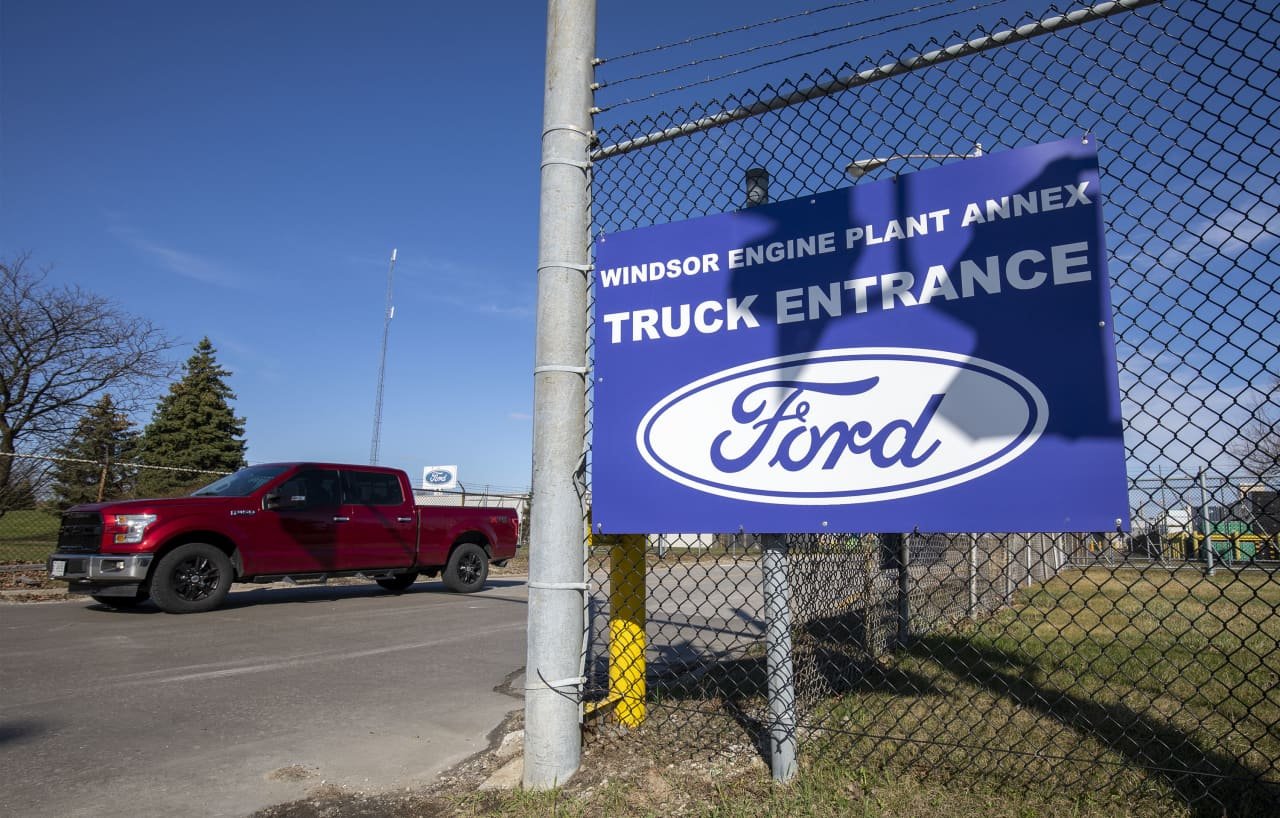
President Donald Trump said on social media at roughly 13:45 UTC on 24 August 2026 that US tariffs on Canadian cars, trucks, automotive parts and steel would be increased to 50% effective 1 January 2027. The post was first relayed by the X account @disclosetv at 13:45 UTC, and a Telegram post by disclosetv at 13:51 UTC attributed the statement to a Truth Social post and quoted the line "WE DON'T NEED CANADA, THEY NEED US!" Reuters confirmed the substance of the announcement within the hour, characterising it as a future action announced on social media once trade talks with Canada collapsed, and Deutsche Welle's English service filed a coordinating wire that framed the threat as a widening of an already-active dispute.
The headline rate is 50%. The operative fact is the date. By naming 1 January 2027 as the trigger, the post converts an escalating threat into a four-month contractual deadline, the kind of date that customs brokers, OEM planners and steel buyers actually have to schedule against. Reuters' wire makes the distinction explicit, reporting that Trump "said" the tariffs would be "increased to 50% starting January 1, 2027"; the announcement is the news, not the imposition. The available source items do not specify whether a formal proclamation has been signed, drafted, or merely posted.
A trigger date, not a fait accompli
Until 24 August the bilateral relationship was in a familiar posture: tariffs imposed, talks suspended, both sides signalling through press conferences. What changed in the post is the calendar. By naming 1 January 2027, the originating message turns a bargaining chip into a dated legal trigger.
Deutsche Welle's wire notes that the latest threat follows the neighbours' failure to reach a deal "to avert a 50% US levy on a range of other Canadian goods," with Ottawa already saying it plans to impose retaliatory tariffs of its own. The wire does not specify the precise Canadian product list or the effective date for Canada's response; the available source items do not specify that detail either. What the sources do establish is sequencing: a tariff threat, a collapse of talks, an existing 50% levy on a broader basket, a Canadian retaliation pledge, and now a new, larger and dated tariff aimed at the politically symbolic auto and steel complex.
The four-month runway matters more than the percentage for procurement. Monexus analysis: North American carmakers price parts flows in quarters rather than weeks, and steel contracts written this autumn will already be running by the time any new duty takes effect. The threat itself is the operative instrument; nothing in the cited material commits the US to issuing the tariff absent a further deterioration, while everything commits the Canadian side to spend the next four months pricing it in.
What's actually being taxed
The category announced is unusually broad. The verbatim text carried by Polymarket and Unusual Whales covers "all Canadian cars, trucks, both large and small, automotive parts, and steel," with steel placed in the same sentence as the auto basket. The product scope is sourced to the relay accounts' quotation of the originating post. The Reuters and Deutsche Welle wires treat the announcement as leverage rather than as a calibrated industrial measure, the kind of move framed for a social-media post more than for a CBP ruling letter.
The Reuters wire and the Polymarket and Unusual Whales relays of the quote are the citable sources for the product scope. None of the available items publishes a formal proclamation text, a Federal Register entry, or any CBP guidance; this article has not independently established whether such a proclamation has been signed, drafted, or merely announced.
On prior US steel duties, the available source items do not specify the current Section 232 rate or any recent modifications; this article has not independently established those details. Monexus assessment: if a 50% Canada-specific overlay were layered on top of an existing steel baseline, the combined effective rate on Canadian hot-rolled coil would sit well above the level any integrated mill could absorb without repricing customers, but that arithmetic is a desk projection, not a sourced figure. Canadian steel exports to the US are a fraction of total Canadian shipments, but they cluster in Ontario and are politically inseparable from the auto file in Ottawa's domestic playbook.
Reading the political signal
The "WE DON'T NEED CANADA, THEY NEED US!" line is the part Ottawa's political class will quote back home. It also does the most diplomatic damage per character, because it converts a trade dispute into a public insult at a moment when Canadian leaders of both major parties have spent months publicly insisting the bilateral file can be managed without that register.
Monexus assessment: the structural pattern here is familiar from earlier tariff cycles, an escalating headline rate, a collapse of formal talks, and a dated trigger designed to force a partner back to the table on the originating government's preferred terms. The plain-language reading is that the White House is using the auto tariff as the deadline-producing instrument, with the actual object of negotiation plausibly sitting on a separate file; the cited material does not identify that file, and this article has not independently established what the underlying US demand is. The Canadian side, having already pledged retaliation on the prior 50% basket, has fewer escalation steps available before its response crosses into measures that hurt its own manufacturing base. That asymmetry is the point of the dated trigger.
The structural frame worth naming here is the gradual replacement of negotiated trade architecture with serial, dated tariff shocks. For most of the postwar period the US-Canada file ran through institutions: the WTO dispute settlement system, NAFTA's review panels, then USMCA's labour and automotive chapters. None of the cited material references any of those venues being engaged on the 24 August announcement. The action is unilateral, the counter is promised unilaterally, and the calendar is unilateral.
What to watch between now and 1 January 2027
Four months is a long runway in a US election cycle but a short one in an auto-procurement calendar. Three dates will do most of the work. First, any formal proclamation text from the White House or the Commerce Department turning the social-media post into an enforceable CBP order; the available source items do not specify that such a proclamation has been issued. Second, Ottawa's published retaliation list under the prior 50% basket, which Canadian officials had already promised and which would set the template for any further response. Third, the autumn USMCA joint review session, where the auto rules of origin are scheduled to come up regardless of this dispute, and which becomes the natural venue for any de-escalation if both sides want one.
Monexus analysis: the most plausible near-term outcome is that the four-month window functions as a countdown. Either Ottawa concedes something on the underlying file the White House is pressing on, in which case the 1 January date quietly slips, or it does not, in which case the dated threat converts into a dated action and the integrated North American auto supply chain spends the first quarter of 2027 repricing its routing decisions. The cited sources do not specify which path the Canadian government intends to take; Ottawa's public posture as of the cited wires is retaliation, not negotiation.
The uncertainty worth flagging is narrow and concrete. The evidentiary record on this story is a social-media post, a Reuters wire characterising the post as a future announcement, a Deutsche Welle wire framing it as a widened dispute, and two markets-data relays of the quoted text. The record does not include a proclamation, a Federal Register entry, a CBP guidance letter, or a Canadian government formal retaliation order. The news is the date and the category. The legal mechanics underneath remain to be published.
Desk note: Monexus framed this as a dated tariff trigger with a four-month runway, not as an imposed measure. The wire ledes concentrated on the headline rate; the procurement-relevant fact is the calendar.
Wire provenance
This editorial synthesis draws on the following public wire/social posts:
- https://x.com/Polymarket/status/2091888592670851208
- https://x.com/unusual_whales/status/2091885557576020325
- https://www.dw.com/en/trump-threatens-canada-with-50-auto-steel-tariffs-from-2027/a-78487268?maca=en-rss-en-all-1573-rdf
- https://reut.rs/4qCWexx
- https://x.com/Reuters/status/2091887223188717619
- https://t.me/disclosetv/21762
- https://x.com/disclosetv/status/2091884527048167525
- https://x.com/Polymarket/status/2091888592670851208
- https://x.com/unusual_whales/status/2091885557576020325
- https://www.dw.com/en/trump-threatens-canada-with-50-auto-steel-tariffs-from-2027/a-78487268?maca=en-rss-en-all-1573-rdf
- https://reut.rs/4qCWexx
- https://x.com/Reuters/status/2091887223188717619
- https://t.me/disclosetv/21762
- https://x.com/disclosetv/status/2091884527048167525