Washington widens the screws on Tehran, and Tehran promises a response
The United States has expanded sanctions targeting Iran and warned trading partners to pick a side. Tehran says it will answer.
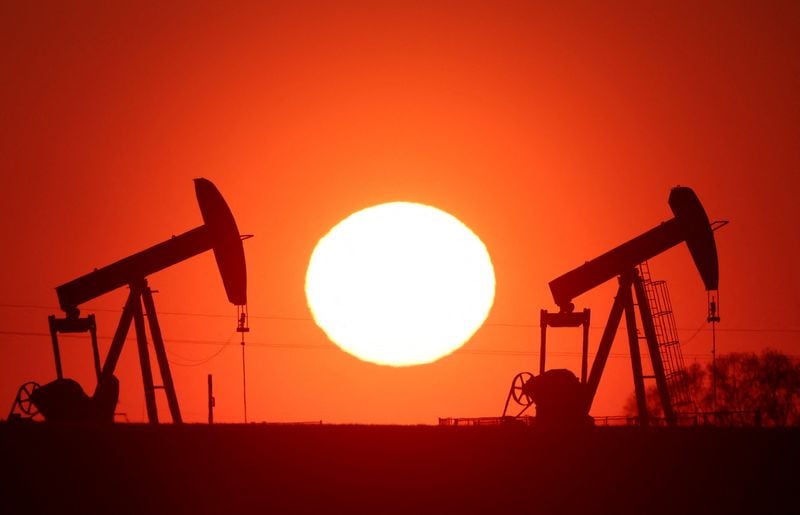
At 01:18 UTC on 25 August 2026, oil futures were effectively flat on the session, with traders weighing the operational impact of a fresh, expanded US sanctions package on Iran rather than the headlines themselves. Reuters reported that the package prompted an immediate pledge of retaliation from Iran, and Al Jazeera's live blog carried Washington's warning to Iran's trading partners that they will face consequences. Iran's foreign ministry responded within hours of the announcement.
The exchange is the latest turn in a sanctions-driven economic confrontation between Washington and Tehran, and arrives without any visible off-ramp in the diplomatic channel. What follows is what the wire evidence actually establishes, where it leaves off, and what the markets are now pricing.
What the package does, as reported
According to Al Jazeera's live coverage on 25 August 2026, the new US measures were framed as a warning to Iran's trade partners: the United States, the network reported, told countries to choose between Washington and Tehran, and warned that doing business with the Islamic Republic carries consequences. Reuters' same-day dispatch carried Iran's vow to retaliate, indicating Tehran's read of the package as escalatory rather than routine.
The thread evidence does not specify the legal instruments used, the named entities added to any list, or the precise sectors targeted. The characterisation of the package as a "widening" or expansion of existing restrictions is Reuters' language, repeated by Investing.com in its 01:00 UTC carry of the same story. The specific mechanism by which Washington is pressuring third-country counterparties is not spelled out in the available source items; the broad claim that secondary sanctions are the operative instrument is Monexus analysis, based on the standard architecture of US Iran sanctions rather than on any sentence in the thread.
What the market is, and is not, pricing
The early reaction in oil was restrained. Investing.com's 01:18 UTC commodity wrap reported prices steady as investors weighed the impact of the expanded sanctions, a pattern consistent with traders reading the measures as a tightening of the existing restrictions rather than a sudden loss of barrels from the market. That restraint is itself a read: there is no expectation, on present evidence, that Iranian crude flows will go to zero overnight.
The thread does not specify how shipping, insurance, or dollar-clearing infrastructure is likely to respond over the days ahead. Claims about Asian refiners recalibrating exposure, about a shadow fleet narrowing its universe of counterparties, or about a widening discount on Iranian crude relative to Brent are not entailed by the source items. They are plausible inferences, but they belong to analysis labelled as such, not to factual reporting.
Tehran's framing, as it appears in the wire
The Iranian response as carried by Reuters and relayed by Investing.com at 01:00 UTC on 25 August is a vow to retaliate. The specific legal or political framing Tehran attached to that vow, whether it emphasised sovereignty, the right to trade, the extraterritoriality of US measures, or something else, is not spelled out in the available source items. The characterisation of Iran's position as a Global-South-friendly argument about dollar hegemony is a structural reading Monexus offers on top of the wire; it is not a quote from the Iranian foreign ministry.
The harder counter-claim is also ours, not the wire's. The thread does not name Iran's leverage points, does not identify the Strait of Hormuz, missile or proxy architecture, and does not characterise the effect of sanctions on bilateral de-escalation channels. Those framings are consistent with reporting from other desks and other weeks, but they are not in these four items.
What to watch in the days ahead
Three near-term indicators will tell operators where this is heading, each grounded in what the thread actually says. First, further official Iranian statements will sharpen the language around retaliation, moving from the initial Reuters-carried vow to specifics about form and timing. Second, oil-market reaction in subsequent sessions will reveal whether the 01:18 UTC steadiness held or broke. Third, named third-country governments will begin to disclose compliance steps, or conspicuously not.
The deeper question, beyond the trading week, is whether this package is a bargaining chip or a destination. The historical claim that maximum-pressure campaigns have ended as chips, with final settlements trading sanctions relief for constraints on Iran's nuclear and missile programmes, is not established by the thread evidence. Monexus analysis: that history is the working assumption among seasoned sanctions watchers, but a reader looking only at the four cited items will find no support for it.
Monexus framed this story around what the four cited items actually establish: the US announcement, Iran's vow to retaliate, and the steady oil tape. The broader claims about secondary-s sanctions mechanics, Iranian leverage, and historical campaign patterns are labelled as analysis above; readers looking only at the source ledger will see the narrower factual spine.
Wire provenance
This editorial synthesis draws on the following public wire/social posts:
- https://reut.rs/45QrHTk
- https://www.aljazeera.com/news/liveblog/2026/8/25/iran-war-live-drat?traffic_source=rss
- https://www.investing.com/news/commodities-news/oil-prices-steady-as-investors-weigh-impact-of-expanded-us-sanctions-against-iran-4874373
- https://www.investing.com/news/commodities-news/iran-vows-to-retaliate-after-us-widens-sanctions-4874350
- https://reut.rs/45QrHTk
- https://www.aljazeera.com/news/liveblog/2026/8/25/iran-war-live-drat?traffic_source=rss
- https://www.investing.com/news/commodities-news/oil-prices-steady-as-investors-weigh-impact-of-expanded-us-sanctions-against-iran-4874373
- https://www.investing.com/news/commodities-news/iran-vows-to-retaliate-after-us-widens-sanctions-4874350