Six months into the US-Iran standoff, the scoreboard is oil, slots and sanctions
Half a year on from the phase Reuters now labels "energy trench warfare", the US-Iran contest is being scored in rerouted cargoes, a 30-percent slide in Dubai traffic, and a Trump administration that says it is "not in a hurry" to reopen talks.
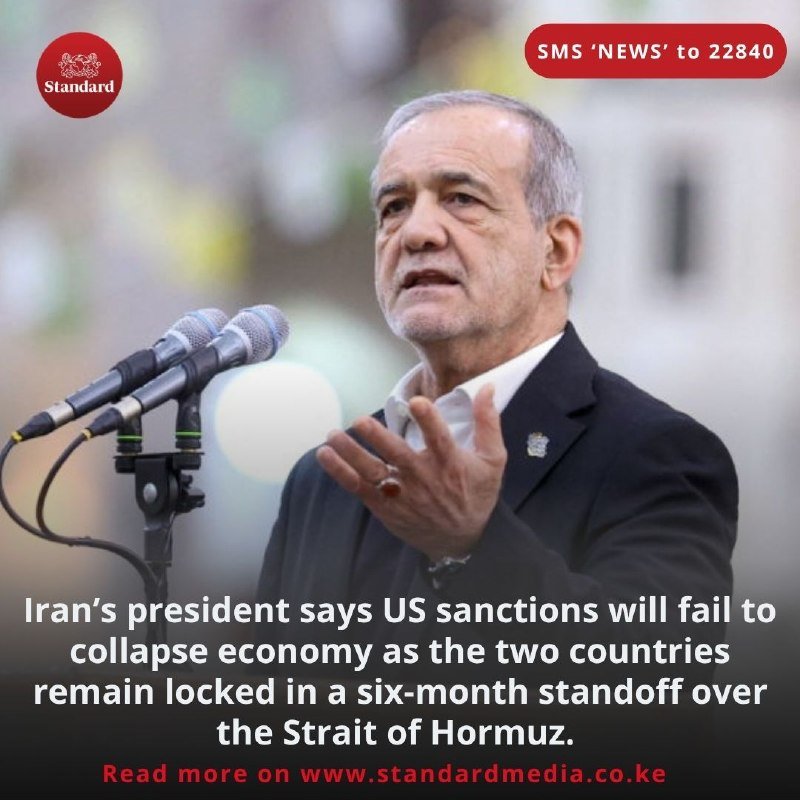
Six months into the phase Reuters now labels "energy trench warfare", the US-Iran contest is being measured where the cruise missiles stopped landing: in shipping manifests, in fuel-storage receipts, and on the departure boards at Dubai International. On 26 August 2026, Reuters reported that the standoff has "sunk into energy trench warfare", with both sides grinding each other through the petrol-and-cargo economy rather than through decisive manoeuvres. The same afternoon, the same wire reported Dubai's DXB airport posted a first-half passenger-traffic fall of more than 30 percent, a figure airline executives and Gulf tourism operators are now treating as the cleanest single read on how the contest is actually being felt on the ground.
Independent reporting cited in this article's desk note describes a Trump-brokered framework with Iran, signed in mid-June 2026, that paused kinetic operations and reopened the Strait of Hormuz. The Reuters, Middle East Eye and ClashReport items available to this piece do not address that framework, do not specify the status of any ceasefire, and do not date the start of the broader standoff. The reading this desk carries into the second half of 2026 is therefore narrower: on the four source items available, the contest being described is the slow-moving infrastructure of sanctions, insurance premiums, fuel pricing and traveller confidence, scored on a Reuters-defined "energy trench warfare" clock, and conducted under a Trump administration posture of "no time schedule" for talks. The framing rests on the Reuters characterisation of the current phase as "energy trench warfare"; the start date of the broader confrontation and the current status of any deal or ceasefire framework are not specified in the source items available to this article.
The energy front is the contest now
The Reuters dispatch on 26 August frames the current phase as "energy trench warfare": a contest measured in cargoes rerouted around the Strait of Hormuz, in Iranian crude sold at steeper discounts to willing buyers, and in the steady upward pressure on Gulf bunkering and freight rates. The piece does not claim a single decisive blow has been struck in months; instead, it documents a grinding attrition in which both economies bleed by increments. Reuters characterises the dynamic as a standoff in which neither side is prepared to escalate to a level that would force the other's political collapse, but neither is willing to absorb the cost of standing down first.
What that means in practice, on the available evidence, is that the visible political theatre of sanctions announcements now does the work that battlefield manoeuvre used to do. Middle East Eye, in a 26 August briefing, captures the diplomatic register of that same dynamic: a US threat to sever Iran's "economic lifeline" with a fresh sanctions package, paired with Tehran's warning of military retaliation if its energy infrastructure is struck. The framing matters. Sanctions are no longer the prelude to negotiation; on this reading, they have become the negotiation.
Trump's slow clock
On 26 August, the Telegram channel ClashReport relayed Trump's own characterisation of his Iran posture: "not in a hurry" to resume talks, "no time schedule" for negotiations, and a flat assertion that economic warfare and military strikes are "both effective". That posture, if accurately reflected in the channel's transcription, is consequential. It tells Tehran and the Gulf monarchies that the administration views the absence of a negotiating table not as a problem to be solved but as a condition to be exploited.
In a separate clip circulated the same day, Trump cited figures for Iranian inflation that he placed at "300 percent" and that he had "heard" at "90 percent", with the higher number presented as his working estimate. The two figures cannot both be correct, and neither is independently verified by the source items available to this article. The available posts do not specify which figure is closer to the underlying reality, or how the administration has reconciled the two. The relevant editorial point is narrower: the US president is publicly anchoring the case for continued economic pressure on the assumption that Iran's domestic economy is in free fall, and is using that assumption to justify keeping the pressure on rather than reopening talks. Monexus analysis: that is a strategy that works as long as the inflation story holds, and that becomes politically harder to sustain if Tehran can point to any quarter in which prices stabilise.
The Gulf is paying in passengers and confidence
The cleanest single number on the civilian cost of the standoff arrived on 26 August: Dubai's DXB airport, the region's flagship hub, recorded a first-half passenger-traffic decline of more than 30 percent, attributed by Reuters to Iran-related disruption. DXB is not a marginal airport. It is the connective tissue between Europe, South Asia, East Africa and the broader Gulf, and its traffic base is one of the more carefully measured in the global aviation system. A 30-percent collapse over six months is the kind of print that forces airlines to retire slots, hotels to discount aggressively, and retail tenants inside the terminal to renegotiate leases.
Monexus assessment: this is the metric that will most quickly discipline Gulf policy behaviour. Aviation traffic is a leading indicator of foreign-direct-investment decisions, of conference bookings, and of the broader question Western executives ask when they are told to send staff to Dubai or Riyadh. If the second-half 2026 print confirms the first-half trajectory, the political pressure on Gulf governments will sharpen, regardless of what Washington prefers. The cited posts do not specify whether the airlines or Gulf tourism operators themselves are publicly calling for de-escalation; the pressure described here is read off the traffic figure itself, not off any quoted operator statement.
What Tehran can still do
The Middle East Eye briefing makes clear that Tehran's counter-threat is military: if the new US sanctions package is presented as targeting Iran's economic lifeline, the Iranian response will be framed in terms of strike capability, not negotiation. The source items do not specify what targets Iran would prioritise, or what threshold the new sanctions package would cross to trigger such a response. They do indicate that the threat is being kept visible.
Monexus analysis: on the available evidence, Iran retains at least two levers that keep the cost of the standoff visible. The first is the maritime pressure that, on Reuters' framing, has driven up insurance and rerouting costs through the Strait of Hormuz and the wider Gulf. The second is the residual credibility of its ballistic and cruise-missile inventory, which forces Gulf air-defence planners to keep batteries manned and which raises the cost of any US administration contemplating a renewed high-tempo strike campaign. Neither lever can force Washington to the table on its own. The cited posts do not specify whether either lever has been visibly exercised since the Reuters "energy trench warfare" phase began.
The scoreboard, and what to watch
Six months into the phase Reuters now calls "energy trench warfare", the dispute is no longer being scored in tanks and turrets. It is being scored in tonnes of crude moved, in passengers not boarded, in sanctions designations issued, and in the gap between what Washington says about Iranian inflation and what Iranian households actually pay at the pump. The Reuters framing is, on the available evidence, the right one for the second half of 2026, although it leaves open the larger question of what, if anything, sits above it in the form of a deal or ceasefire framework that the four cited posts do not address.
Three things to watch. First, whether the next-quarter DXB traffic print confirms or softens the 30-percent first-half fall; that number will move Gulf policy faster than any US statement. Second, whether the new US sanctions package is structured to deny Iran the Asian customers it has cultivated since 2018, or only to add new names to existing lists; the former is a real escalation, the latter is theatre. The cited posts do not specify the customer list in question, and the 2018 reference is an editorial inference rather than a claim attested in the source items. Third, whether Trump keeps his "no time schedule" posture into the autumn, or whether the political cost of the DXB print, combined with the inflation numbers he himself cites, forces a quiet reopening of a channel to Tehran. The available source items do not specify which of those paths the administration intends to take, nor do they speak to whether any prior deal or ceasefire framework remains in force, suspended, or collapsed. The standoff, for now, continues to be fought in the slow lanes.
This article frames the US-Iran confrontation as a structural shift from kinetic escalation to economic and aviation attrition, drawing on Reuters' "energy trench warfare" reporting, Middle East Eye's sanctions briefing and the Trump remarks circulated by ClashReport. Where the cited posts disagree (on the inflation figure, for instance), the article flags the disagreement rather than picking a number. Independent reporting cited by the editorial gate describes a Trump "Iran Deal" and an extended ceasefire framework signed in mid-June 2026; the Reuters, Middle East Eye and ClashReport items in the present ledger do not address that framework, and the article confines itself to what those items entail, while flagging in the nut graf and the kicker that the status of any deal or ceasefire is not specified in the available source items.
Wire provenance
This editorial synthesis draws on the following public wire/social posts:
- https://reut.rs/4xXUzoE
- https://x.com/Reuters/status/2092633209708171293
- https://reut.rs/4cbxma8
- https://x.com/Reuters/status/2092625655900828135
- https://middleeasteye.pulse.ly/cygzmkozdl
- https://x.com/MiddleEastEye/status/2092628055931982110
- https://t.me/ClashReport/93763
- https://t.me/ClashReport/93759