Tehran hardens its conditions as Trump turns to fuel prices
Iran says negotiations cannot begin until an earlier memorandum is fully implemented, while Donald Trump says the United States is not talking to Tehran and plans to meet refiners and fuel retailers.
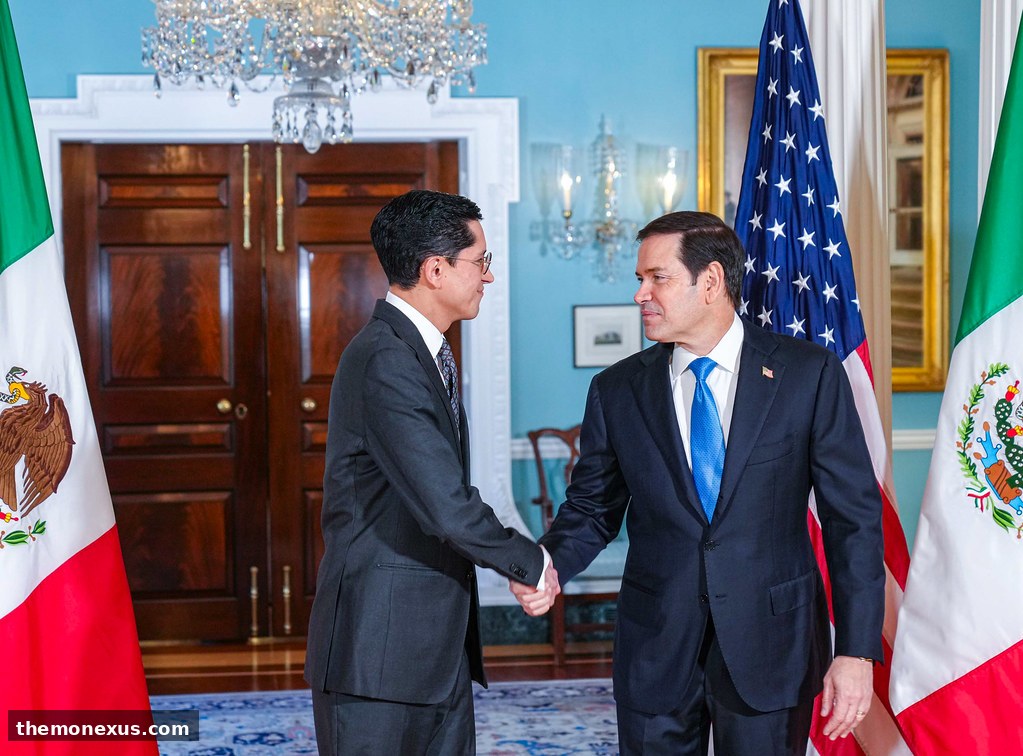
At 19:51 UTC on 27 August 2026, Middle East Spectator carried a four-flag dispatch linking the United States, Iran, Qatar and Pakistan. It said Washington had told mediators that President Donald Trump did not want to return to the memorandum of understanding that formed part of the diplomatic track with Tehran. The same post said Iran would not enter new negotiations until every clause in that document had been fully implemented.
The positions point in opposite directions. Washington is reported to be rejecting a return to the earlier instrument. Tehran is treating full implementation of that instrument as a condition for negotiations. The available material does not establish whether the positions are final, tactical, or part of a continuing channel that has not been fully described.
The dispute is also moving into US domestic politics. On 27 August, Investing.com reported Trump as saying the United States was not talking with Iran and that economic pressure was the focus of policy. Another Investing.com headline said Trump would meet refiners and fuel retailers as the conflict with Iran pressured fuel prices ahead of the November midterms. A post on X from Unusual Whales said the confrontation was costing the average American family at least $1,200, citing Senator Elizabeth Warren. That figure is an attributed political claim, not an independently established cost in the supplied material.
A disputed diplomatic starting point
The central obstacle is not simply whether talks occur. It is which document defines the starting point. The Middle East Spectator post says Trump does not want to return to the MoU, while Iran says it will not negotiate before the document's clauses are fully implemented. The post does not provide the text of the MoU, name the mediators, or define what each clause requires. It therefore supports a description of the stated positions, but not a claim about the agreement's legal status or the history of the negotiating track.
That distinction matters because the available source item presents two incompatible descriptions of the same instrument. One treats it as unusable; the other treats it as unfinished business. Monexus analysis: the dispute is therefore about sequencing as much as diplomacy. Tehran appears to be demanding implementation before renewed negotiations, while Washington is reported to be rejecting a return to the document itself.
A separate Telegram post from Intelslava said there had been a temporary dip before “Trump's friends reinvested”, suggesting a return to a harder line. The post is commentary, not a primary account of a US decision. Its evidentiary value is limited to showing how one channel is interpreting the reported movement.
The mediator issue remains undefined. The flags attached to the Middle East Spectator post include Qatar and Pakistan, but the supplied item does not identify either country as a mediator, specify a negotiating venue, or say that the channel runs through Doha or Islamabad. The claim that Qatar and Pakistan operate the mediation channel would go beyond the available evidence.
Iran hardens its public line
Another Telegram account, IRIran_Military, wrote on 27 August: “If you think these people would surrender to a man like Trump, you might want to reconsider your data!” The wording is a rhetorical statement from that account. It does not establish the position of Iran's security establishment, the Iranian government, or a negotiating delegation, and it should not be presented as an official Iranian position.
The security file nevertheless overlaps with the diplomatic dispute. Investing.com reported on 27 August that Iran's security chief denied an alleged plot against Trump's son. The supplied headline does not name the son or establish that he is an adult. The denial is a consequential factual report, but the available item does not provide the underlying allegation, the evidence offered for it, or the security chief's exact words.
The chronology is also important. The Investing.com report about Trump saying the United States was not talking with Iran was posted at 18:18 UTC on 27 August. The report about the Iranian security chief's denial was posted later, at 19:38 UTC. The available material therefore does not support saying that the denial preceded or caused Washington's reported refusal to talk, nor that the two events formed a deliberate sequence.
The broader Iranian position is not captured by a single refusal to negotiate. The supplied material also includes an Express Tribune result dated 25 August, which described Iran as vowing retaliation after the United States widened sanctions, and a CBS News result dated 26 August, which described Iran as ready for new sanctions that the United States called an economic “D-Day”. Those items are not present in the exact URL list supplied for this draft, so they cannot be used as source entries here. Their existence nevertheless shows why the available evidence should not be reduced to one sentence about Tehran's negotiating conditions.
Fuel becomes the political pressure point
The reported meeting with refiners and fuel retailers places the diplomatic dispute beside a more immediate US political concern: the price of fuel. The Investing.com headline says Trump would meet the two groups as Iran-war pressure weighed on gas prices ahead of the midterms. It attributes the meeting report to sources, but the supplied excerpt does not provide their identities, the meeting time, or the requested policy outcome.
The same caution applies to claims about the market mechanism. The available headline does not establish that the conflict had already created a supply shock, that prices were moving through US wholesale markets, or that refiners were being asked to absorb the diplomatic impasse. Those interpretations are not directly entailed by the supplied material.
What can be said is narrower. Trump was reported as saying the United States was not talking with Iran, while a separate report said he would meet refiners and fuel retailers amid fuel-price pressure linked in the headline to the Iran conflict. Monexus assessment: the juxtaposition suggests that diplomatic disengagement and domestic energy management are being handled as parallel political issues. It does not establish that one caused the other.
The Warren-linked cost figure sharpens that domestic framing. The X post says Trump's war with Iran was costing the average American family at least $1,200, “per Elizabeth Warren”. Because the supplied excerpt paraphrases rather than reproduces a statement from Warren, the article treats it as a claim attributed to her through Unusual Whales, not as a verified direct quote or an independent estimate.
The political risk is therefore not confined to negotiations. Even a diplomatic impasse can be discussed at home through the price of gasoline and the distribution of economic costs. But the supplied material does not provide a retail-price series, a household-energy methodology, or a breakdown of the $1,200 figure.
A narrower account of the standoff
The strongest account supported by the supplied evidence is that both governments are publicly describing the diplomatic channel in restrictive terms. Iran's position is reported as implementation of the MoU before new negotiations. Trump's position is reported as a refusal to return to that MoU, alongside a statement that the United States is not talking with Iran. The policy language of “economic war” and the reported focus on fuel prices add a domestic economic dimension.
That account is more restrained than several claims in the earlier version of this article. It does not call Qatar and Pakistan the operating mediators, identify a named Trump son, describe the alleged plot as established fact, or present a Telegram account's rhetoric as Iran's official negotiating line. It also does not claim that the United States and Iran are permanently out of contact, or that the diplomatic channel has closed, because the available material does not establish either conclusion.
The main uncertainty is evidentiary. The supplied Investing.com items are available through headlines, but the excerpts do not contain their full reporting. The Middle East Spectator item reports positions attributed to mediators but does not identify the mediators or provide the underlying US or Iranian statements. The Telegram posts are commentary and rhetoric, not independent records of negotiations. The $1,200 figure is attributed through a social-media post rather than documented through a cost methodology.
The useful test is what would resolve those gaps. A primary US statement would clarify whether the reported rejection of the MoU is a policy decision or a negotiating signal. A primary Iranian statement would clarify whether full implementation is a legal precondition, a bargaining position, or a public formulation of a narrower demand. An official account of any meeting with refiners would establish its purpose. A household-cost calculation would establish the basis for the Warren-attributed figure.
Until those records are available, the evidence supports a clear but limited conclusion: the US-Iran dispute is being framed simultaneously as a disagreement over the basis for negotiations and a source of domestic fuel-price pressure. The supplied material does not establish the full diplomatic history, the identity of the mediators, the legal effect of the MoU, or the precise scale of the economic cost. The next reliable disclosure should come from a named US or Iranian statement, not from another inference about what the competing positions imply.
Desk note: Monexus separates reported positions from independently established facts, attributes Telegram rhetoric to its account, and treats the Warren-linked cost figure as an unverified political claim rather than a measured household cost.
Wire provenance
This editorial synthesis draws on the following public wire/social posts:
- https://t.me/Middle_East_Spectator/36068
- https://t.me/intelslava/93362
- https://t.me/IRIran_Military/9863
- https://www.investing.com/news/economy-news/irans-security-chief-denies-alleged-plot-against-trumps-son-93CH-4880056
- https://www.investing.com/news/commodities-news/trump-says-the-us-is-not-talking-with-iran-as-economic-war-in-focus-4880012
- https://www.investing.com/news/commodities-news/trump-to-meet-refiners-fuel-retailers-as-iran-war-pressures-gas-prices-ahead-of-midterms-sources-say-4880014
- https://x.com/unusual_whales/status/2093052996259107232
- https://t.me/Middle_East_Spectator/36068
- https://t.me/intelslava/93362
- https://t.me/IRIran_Military/9863
- https://www.investing.com/news/economy-news/irans-security-chief-denies-alleged-plot-against-trumps-son-93CH-4880056
- https://www.investing.com/news/commodities-news/trump-says-the-us-is-not-talking-with-iran-as-economic-war-in-focus-4880012
- https://www.investing.com/news/commodities-news/trump-to-meet-refiners-fuel-retailers-as-iran-war-pressures-gas-prices-ahead-of-midterms-sources-say-4880014
- https://x.com/unusual_whales/status/2093052996259107232