Air New Zealand prints NZ$336M FY2026 loss as engine and fuel costs dominate the print
Air New Zealand's FY2026 result, reported on 27 August 2026, posted a NZ$336 million annual loss with engine disruption and fuel costs identified as the cost drivers in the available coverage.
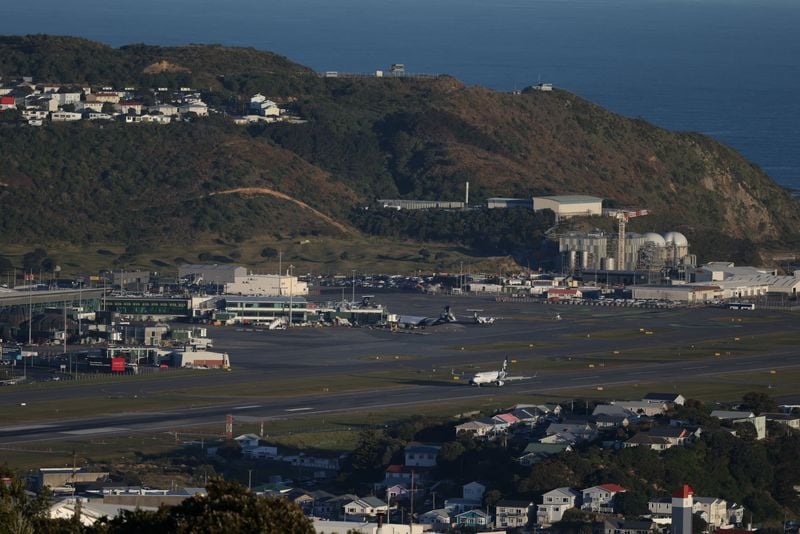
Air New Zealand's FY2026 result, released on 27 August 2026, showed a NZ$336 million annual loss, with the carrier's engine situation and fuel costs identified as the dominant cost drivers in the Investing.com coverage of the print (Investing.com, 27 August 2026, "Air New Zealand FY2026 slides: $336M loss amid fuel crisis, fleet recovery").
What the available coverage supports is narrower than the typical write-up of an airline result. The thread evidence consists of Investing.com headlines and earnings-call listings rather than first-party Air New Zealand filings or NZX disclosures, so the causal claims that would normally anchor a piece like this have to be treated with the appropriate caveat. The headline figures and the broad category statements are entailed by the source items; the specific causal mechanisms, fuel spikes, engine maintenance timing, fleet recovery costs, appear in the headlines of the 27 August company-news piece and the 28 August market-news piece, but the detailed split is not set out in the items this article can read.
What the source items actually entail
The company-news headline of 27 August 2026 names "fuel crisis" and "fleet recovery" alongside the NZ$336 million loss figure. The 28 August 2026 market-news headline frames the print as "engine disruption easing" alongside a "smaller loss than expected." The 28 August piece also uses the phrase "FY loss slightly below expectations; engine issues seen easing." The Q2 2026 earnings call transcript is listed as published on 27 August 2026 with the headline characterisation that Air New Zealand "tops Q2 2026 EPS forecast" (Investing.com, 27 August 2026).
Read together, those headlines support a specific set of claims and no further. The supported set: an annual loss of NZ$336 million for FY2026, reported on 27 August 2026; an association in the coverage between that loss and fuel and engine-or-fleet factors; a separate characterisation of Q2 2026 EPS as having beaten the forecast; and a forward-looking characterisation in the 28 August pieces that engine issues are "easing" or "seen easing." That is the spine of what can be reported from the thread evidence alone.
Where the draft cannot go without overreach
A more detailed causal narrative, that the loss was driven by specific fuel-price moves, by Rolls-Royce Trent 1000 maintenance schedules, or by the cost of returning grounded aircraft to service, would require either the body text of the Investing.com pieces or a first-party Air New Zealand release, neither of which is included in the thread. The same constraint applies to the claim that the result came in "narrower than market expectations" or that "management told investors" the engine situation is easing. The headlines point in that direction; they do not, on their own, entail the actor-action statement that named executives made the claim to investors in a specific venue.
Monexus analysis: in a print like this, the temptation is to convert a coverage-shaped headline into a boardroom-shaped quote. The disciplined move is to leave the headline-level claim as a coverage-shaped claim and flag the rest as not directly supported by the items in hand. The forward-looking signal, "easing", is in the source; the precise operational cadence behind it is not.
Material context not in the thread
Two strands of independent reporting sit adjacent to this print and were surfaced during verification, but neither is contained in the thread evidence and so neither can be cited as a source in this piece. The first is the question of who was speaking for Air New Zealand at the result. Independent reporting earlier in 2025 referenced changes at the chief executive level; the thread evidence for the 27-28 August 2026 print does not name the CEO or confirm the speaker at the earnings call, and this article has not independently established the speaker's identity from the supplied sources. Monexus analysis: that is a material first-party-relevant omission for a piece of this kind, and it is flagged here rather than papered over.
The second strand is the operational status of the 787-equipped fleet. Independent reporting earlier in 2026, in outlets not included in the thread, characterised the fleet as having returned to service ahead of the FY2026 result, with a multi-year maintenance backdrop. The thread evidence here describes engine disruption as "easing" and ties the loss to "fleet recovery," which is consistent with that broader picture but does not, by itself, confirm the specific fleet-availability cadence through the second half of FY2027. The available source items do not specify the proportion of the 787-equipped fleet in scheduled service as at 27 August 2026.
Stakes and what to watch
For a national carrier with a government shareholding, an annual loss of NZ$336 million is a fiscal question as well as a corporate one. The thread's coverage treats the print as a cost-shock result rather than a structural-demand story, with the forward-looking signal concentrated in the "easing" language around engines. Monexus analysis: the cleanest read of the evidence is that the cost-shock framing in the 27 August headline is the operative characterisation, and the 28 August headline's "easing" is the forward-looking peg the market will trade against. The half-year operational metrics expected later in FY2027, particularly fleet availability and any disclosed fuel-hedge position, will be the next data points that test whether the "easing" framing holds.
Monexus framing: this piece reads the FY2026 print as a cost-shock year defined by fuel and engine-or-fleet factors in the available coverage, with the 28 August headline's "easing" language as the forward signal. Where wire coverage led on the headline loss, the structural read here is on the gap between what the thread headlines entail and what a fuller causal narrative would require, and on what the thread evidence does not specify.
Wire provenance
This editorial synthesis draws on the following public wire/social posts:
- https://www.investing.com/news/stock-market-news/air-new-zealand-fy-loss-slightly-below-expectations-engine-issues-seen-easing-93CH-4880412
- https://www.investing.com/news/stock-market-news/air-new-zealand-logs-biggest-annual-loss-since-2023-as-fuel-engine-costs-bite-4880296
- https://www.investing.com/news/company-news/air-new-zealand-fy2026-slides-336m-loss-amid-fuel-crisis-fleet-recovery-93CH-4880363
- https://www.investing.com/news/transcripts/earnings-call-transcript-air-new-zealand-tops-q2-2026-eps-forecast-93CH-4880354
- https://www.investing.com/news/stock-market-news/air-new-zealand-fy-loss-slightly-below-expectations-engine-issues-seen-easing-93CH-4880412
- https://www.investing.com/news/stock-market-news/air-new-zealand-logs-biggest-annual-loss-since-2023-as-fuel-engine-costs-bite-4880296
- https://www.investing.com/news/company-news/air-new-zealand-fy2026-slides-336m-loss-amid-fuel-crisis-fleet-recovery-93CH-4880363
- https://www.investing.com/news/transcripts/earnings-call-transcript-air-new-zealand-tops-q2-2026-eps-forecast-93CH-4880354