Israeli artillery pounds two Lebanese border villages in a 90-minute window
War-witness accounts from the southern Litani corridor show Israeli fire on Kfar Roumman and Al-Mansouri between 21:36 and 23:16 UTC on 28 August 2026.
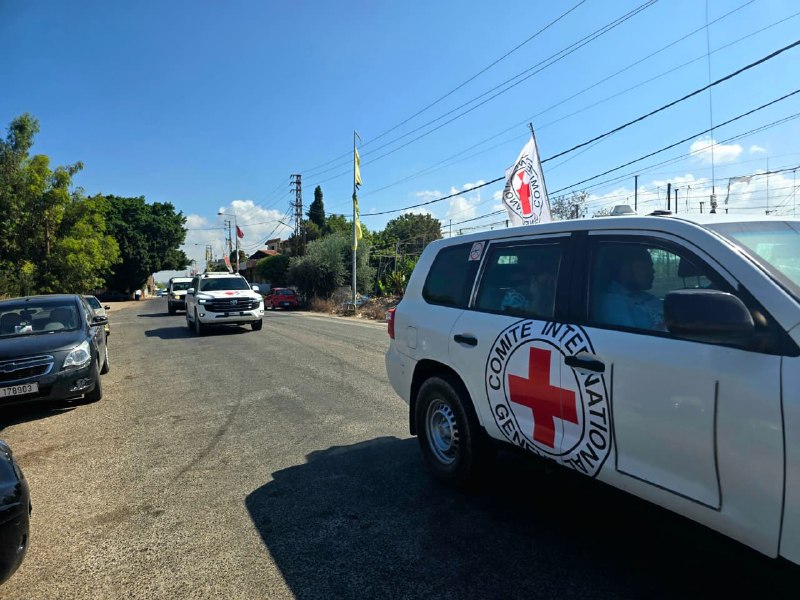
Israeli artillery and air units struck at least two villages in southern Lebanon in a roughly ninety-minute window on the evening of 28 August 2026, according to a sequence of dispatches from the war-witness channel wfwitness on Telegram.
The pattern is not new, but the cadence inside this window is. Between 21:36 and 23:16 UTC, six field-witness posts name the same two localities: Kfar Roumman (also transliterated as Kafr Rumman) and Al-Mansouri. Some posts describe artillery bombardment; others describe airstrikes. The alternation, within minutes of each other, is the kind of detail that matters for accountability, because it tells us where independent verification should look first.
What the dispatches show
The wfwitness stream opened its evening window at 21:36 UTC with a report of Israeli artillery fire on the Dawha neighbourhood of Kfar Roumman. Eleven minutes later, at 21:47 UTC, the same channel posted again: Israeli artillery had targeted Dawha in Kfar Roumman a second time. By 22:12 UTC the focus had moved twenty kilometres or so along the border, to Al-Mansouri, with two posts in quick succession describing an Israeli airstrike on the village. A third Al-Mansouri strike followed at 22:38 UTC. The window closed at 23:16 UTC with a fresh report of artillery on Kfar Roumman.
Six posts in ninety minutes is not a steady tempo. It looks like two villages taking turns. That structure matters because it determines the type of independent reporting that can confirm or rebut the account: satellite imagery of damage plumes is most useful at the village level, not the campaign level.
How this fits the southern Lebanon campaign
The southern Lebanon campaign has run on two tracks through the second half of 2026. The visible track is air: Israel has maintained a near-daily tempo of airstrikes into what it designates Hezbollah infrastructure, particularly rocket-launch sites and weapons stores. The less-visible track is artillery: batteries positioned just inside the border fire at ranges short enough that the resulting munitions are within minutes of impact. Both are legal instruments of war against an armed adversary; both produce civilian harm in a region where villages sit inside the engagement zone.
The wfwitness feed does not differentiate between the two tracks with high precision. Where the same channel uses the term "airstrike" it implies an aerial platform; where it uses "artillery fire" or "artillery bombardment" it implies tube or rocket artillery. Monexus treats that distinction as reportable in itself.
Where the evidence is thin
Three honest limits on this reporting. First, the available source items do not specify casualties in Kfar Roumman or Al-Mansouri on 28 August 2026. Second, the same dispatches do not name a Hezbollah launcher, command node, or weapons cache at either location, so the operational justification for the strikes is not in the public record from this thread. Third, Monexus has not independently confirmed the locations from satellite, casualty tracking, or official Israeli security-force communiqués; verification of that kind belongs to other desks.
Absent those inputs, the working reading is straightforward: this is border-area fire consistent with the late-2026 tempo, dense enough to be visible from open-source channels, light enough on documentation to require follow-up before any specific strike is treated as a confirmed event rather than a reported one.
What to watch next
Two dates sit on the near horizon. The first is any Israeli military or prime-ministerial briefing on 29 August 2026 that names southern Lebanese strikes of the previous 24 hours; that briefing is the standard mechanism by which these reports are confirmed, refined, or partially retracted. The second is the next consolidated casualty release from Lebanese civil-defence or health-ministry sources, which is the standard mechanism for the civilian-harm side of the same ledger. Until either lands, the wfwitness feed is the most granular open-source record of the late-evening window we have.
Desk note: Monexus treated the wfwitness dispatches as on-the-ground reporting rather than as either Israeli or Lebanese official statements, and the post authors' status as field witnesses rather than named officials is left visible in the sourcing. The alternation between "airstrike" and "artillery" terminology across posts in the same window is reported as the channel itself used the terms, not as Monexus's own classification.
Wire provenance
This editorial synthesis draws on the following public wire/social posts:
- https://t.me/wfwitness/108647
- https://t.me/wfwitness/108648
- https://t.me/wfwitness/108650
- https://t.me/wfwitness/108651
- https://t.me/wfwitness/108654
- https://t.me/wfwitness/108658