The therapist, the tourist, and the war outside Kyiv
A Russian strike on a munitions depot near Kyiv has killed dozens and punctured a comfortable Western myth about emotional transparency and the national character of patience.
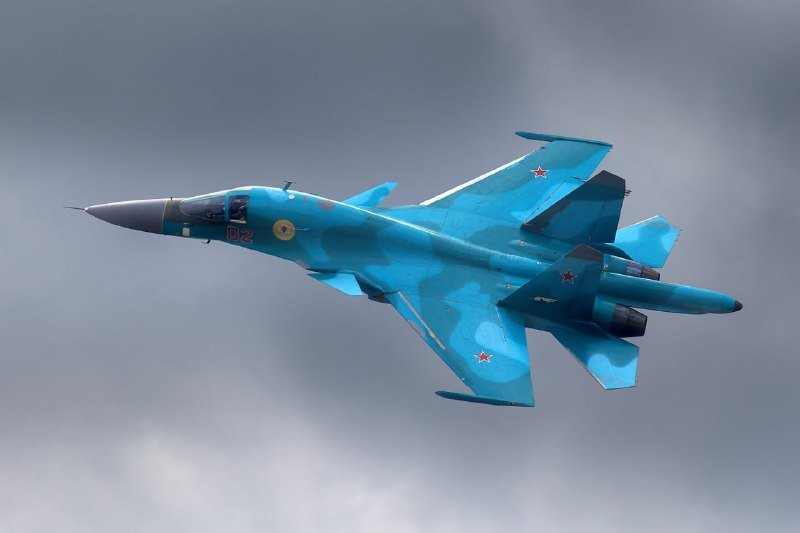
A Russian strike hit an ammunition depot near Kyiv before dawn on 29 August 2026, setting off a chain of secondary detonations, killing dozens, wounding more, and forcing hundreds of residents from their homes. The wire is still disagreeing on the precise toll. Al Jazeera's breaking-news video, filed at 16:53 UTC, put the death toll at at least 38; NPR, at 15:54 UTC, put it at 37 and described it as one of the year's deadliest attacks; Deutsche Welle, at 14:57 UTC, said dozens were killed and that the depot was the second such target near the capital in under two months; Investing.com, in a separate bulletin at 09:54 UTC, gave 27. The numbers will settle once the Ukrainian authorities publish a consolidated figure; for now the count is a moving target, and honest reporting says so.
The strike is also a small, ugly rejoinder to a comfortable line of Western self-congratulation that has been doing the rounds online. The setup is familiar: a Western man is said to announce his neuroses to a therapist, a Russian man is said to keep his to himself, and a tourist concludes the Russian has none. The joke, posted to X on 29 August by the Irish account @BrianMcDonaldIE, lands because it tells the tourist what the tourist already wanted to believe. It is, in other words, exactly the kind of diagnosis a confident outsider reaches after a long flight and a short visit. Forty-odd dead on the edge of Kyiv suggest the country being psychoanalysed is paying for its reticence in something more concrete than embarrassment.
The strike, in the order it happened
According to Al Jazeera's video report at 16:53 UTC on 29 August, the Russian strike hit a munitions depot in the Kyiv region. The detonations triggered fires and explosions that Al Jazeera's reporters said killed at least 38 people and wounded dozens. NPR, timestamped 15:54 UTC, reported a toll of 37 and placed the blast inside a 72-hour pattern of near-constant drone activity across Ukraine that has been severely disrupting daily life. Deutsche Welle, at 14:57 UTC, described the explosion as a huge fire and counted it as the second depot strike near Kyiv in less than two months. Investing.com, in a bulletin timed at 09:54 UTC, gave 27 dead and wove in a second strand about Russia militarising schools. Each outlet is working from the same overnight reporting; the variance is the ordinary fog of an active attack, and the figures will narrow once the Ukrainian emergency services finish their count.
What the joke is really about
The bit trades on a tidy inversion: the emotionally articulate Westerner is mocked for needing a room in which to be honest, the silent Russian is mocked for the absence of evidence of feelings. The implied conclusion is that emotional outsourcing is a sign of health, and that a culture without that outsourcing is opaque, dangerous, or both. It is an attractive thesis for a reading public that has spent a decade in therapy, on apps, and on talk-show couches. It is also a thesis that mistakes the grammar of disclosure for the substance of character. Countries that talk openly about their anxieties and countries that hold them in do not, as a rule, end up with different counts of their dead. The dead outside Kyiv this morning do not tell us what their compatriots feel; they tell us what was done to them.
A more useful frame
The cleaner read is that nations, like people, vary widely in how they package their interior life for export, and that mistaking packaging for content is the oldest error in cross-cultural interpretation. A society that processes grief in private and a society that processes it in public are running different operating systems, not different operating systems' worth of souls. The available evidence does not specify what individual Russians feel about a war that has, by any accounting, killed tens of thousands of their own conscripted sons. It does specify that the Russian state has chosen, in this case, to spend drones and ordnance rather than words. A reasonable inference is that the absence of public anguish is, at minimum, not preventing the use of force.
What the strike actually settles
The more practical question, and the one the joke politely avoids, is what a Russian strike on a depot roughly within reach of central Kyiv tells the rest of Europe. It tells European capitals that the targeting logic is no longer confined to the front line; that critical logistics nodes near the capital are inside the operating envelope; that Ukraine's air-defence burden is being deliberately expanded; and that 72 hours of continuous drone pressure, as NPR notes, is itself the message. The residents who fled into the night are not characters in a parable about emotional styles. They are the bill.
Stakes, said plainly
If the pattern of the last month holds, the next 72 hours will bring more drone swarms, more depot strikes, and another round of casualty figures that take 24 hours to converge. Western audiences will read those figures alongside the same joke, and the joke will continue to flatter them at the cost of the people on the receiving end. The honest move is to notice what the strike is, and to notice what the joke is for, and to stop pretending the two are the same kind of object.
Monexus framing: the wire reporting (Al Jazeera, NPR, DW, Investing.com) describes a depot strike with a still-fuzzy casualty count; this piece refuses the easy Western-joke framing and reads the strike as a statement of force rather than a footnote to a meme.
Wire provenance
This editorial synthesis draws on the following public wire/social posts:
- https://www.aljazeera.com/video/newsfeed/2026/8/29/29-08-sv-russia-strikes-arms-depot-kyiv-fm?traffic_source=rss
- https://www.npr.org/2026/08/29/nx-s1-5948714/russian-strike-kyiv
- https://www.dw.com/en/russian-strike-on-ammunition-depot-near-kyiv-kills-dozens/a-78556008?maca=en-rss-en-all-1573-rdf
- https://www.investing.com/news/economy-news/russian-strike-kills-27-near-kyiv-as-moscow-militarizes-schools-4881964
- https://x.com/BrianMcDonaldIE/status/2093758781217804546
- https://www.aljazeera.com/video/newsfeed/2026/8/29/29-08-sv-russia-strikes-arms-depot-kyiv-fm?traffic_source=rss
- https://www.npr.org/2026/08/29/nx-s1-5948714/russian-strike-kyiv
- https://www.dw.com/en/russian-strike-on-ammunition-depot-near-kyiv-kills-dozens/a-78556008?maca=en-rss-en-all-1573-rdf
- https://www.investing.com/news/economy-news/russian-strike-kills-27-near-kyiv-as-moscow-militarizes-schools-4881964
- https://x.com/BrianMcDonaldIE/status/2093758781217804546