"The biggest oil deal in world history": Trump announces 65-billion-barrel Venezuelan arrangement
President Donald Trump says the United States has secured majority control of more than 65 billion barrels of Venezuelan proven oil reserves, the largest such arrangement he has ever announced. The deal, still undefined in its legal architecture, lands while Caracas remains under US sanctions and on the eve of renewed negotiations.
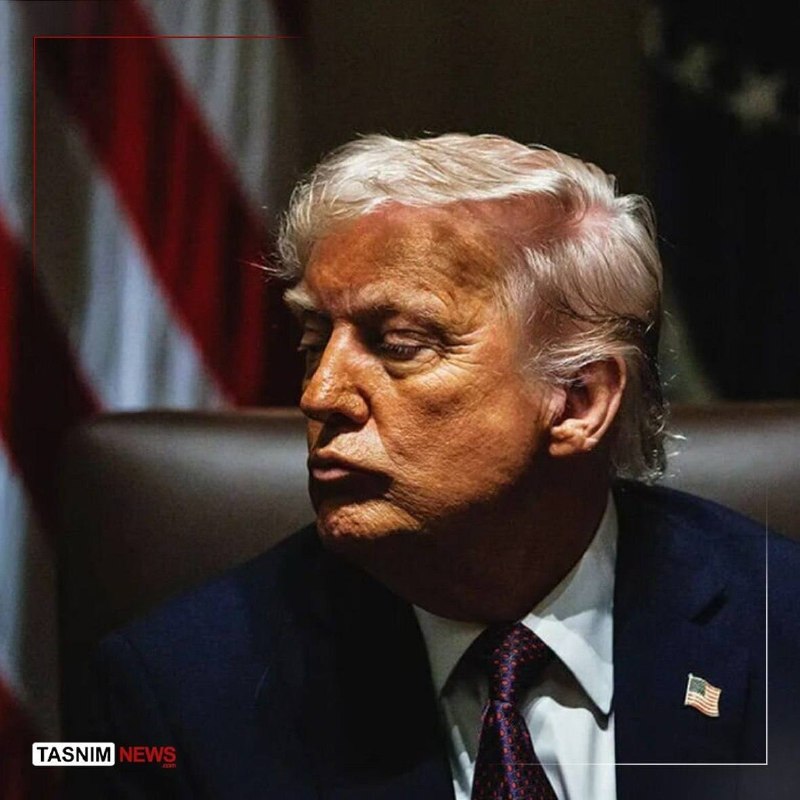
President Donald Trump announced on 28 August 2026 that the United States had secured majority control of more than 65 billion barrels of Venezuelan proven oil reserves, calling the arrangement "the biggest oil deal in world history." The figure was confirmed by BBC News reporting on the announcement and matched in separate accounts by CNBC and Investing.com, which both carried the same headline claim within minutes of the president's statement.
The deal, as publicly described, hands Washington a structural lever over a resource base that exceeds the proven reserves of every OPEC member except Saudi Arabia and Iran. Its legal architecture is still being sketched. What is on the page so far is a number, a country, and a claim of majority control.
What was actually announced
The headline figure is consistent across the wires. Trump said the arrangement gives the US majority control of "over 65 billion barrels" of Venezuelan proven reserves, an amount he framed as historic in scale. The Polymarket account on X repeated the same characterisation in its own breaking-news post. None of the cited outlets has yet published the contract, the term sheet, or the name of the operating entity through which US control would be exercised.
That matters. "Majority control" of proven reserves can mean several very different things: equity in a state oil company, a long-term offtake agreement with revenue priority, a concession over specific blocks, or a security interest tied to debt forgiveness. The available reporting does not specify which. BBC's 28 August 2026 story and CNBC's same-day piece both convey Trump's framing without providing the underlying instrument.
The sanctions backdrop
Any such arrangement lands inside an existing sanctions architecture. Venezuela's state oil company, PDVSA, has operated under a constellation of US Treasury restrictions that limit its ability to transact in dollars, access US refining markets, or service Western debt without specific licences. Those restrictions have been the principal lever Washington has used against Caracas since 2017.
A deal that purports to transfer "majority control" of reserves to a US-anchored counterparty without a parallel sanctions framework change would be unenforceable. The available source items do not specify whether Treasury's Office of Foreign Assets Control has issued a general licence covering the arrangement, what conditions are attached, or whether existing licence windows (used in past months to permit some Chevron and European-trader flows) have been widened or narrowed.
This publication's reading: the announcement functions, at this stage, more as a political framing than as a binding transaction. Reserves can sit in the ground for decades. Converting them into deliverable barrels requires pipelines, diluent, offtakers, refining capacity on the US Gulf Coast, and a sanctions regime that allows the resulting crude to clear.
What Caracas gets
The Venezuelan side has not, in the cited reporting, given a detailed on-the-record response. Telegram channels carrying Caracas-friendly and Washington-friendly accounts relayed the announcement in near-identical terms, which suggests both sides are, for now, treating the number itself as the deliverable.
A structural reading: Caracas is likely trading future revenue and operational control of its largest hydrocarbon asset for relief on the financial bleeding caused by sanctions. Whether that relief arrives in the form of broader OFAC licences, debt restructuring under a new arrangement, or the unfreezing of state assets held abroad is the open question the cited reports do not answer.
Stakes and what to watch next
If the arrangement holds in anything like its announced form, three downstream effects follow.
First, US strategic reserves posture. Adding a 65-billion-barrel claim to the US-controlled-or-allied reserve base reshapes Washington's leverage inside OPEC+, where Saudi Arabia and the Gulf producers have, for years, been the swing supplier of last resort.
Second, the China question. Chinese state firms have been among the most active buyers of Venezuelan crude under sanctions workarounds, and Beijing has lent Caracas against future oil deliveries through structures that are now in question. The arrangement, if enforced, displaces Chinese offtake and re-routes Venezuelan crude north. None of the cited outlets has yet named a Chinese counterpart's response.
Third, internal Venezuelan politics. The Maduro government is selling majority control of the country's flagship resource during a period of severe domestic constraint. The political cost inside Caracas is not detailed in the cited reporting, and the available source items do not specify whether the arrangement requires Venezuelan legislative approval, a referendum, or any public disclosure mechanism.
The honest summary: 65 billion barrels is a real number attached to real reserves. "Majority control" is, so far, a claim by one principal that the counterparty has not, in the cited reporting, substantiated with operational detail. Until the contract language, the sanctions licence status, and the Venezuelan domestic process are visible, the deal is an announcement shaped like a transaction.
Watch the Treasury Department press desk and any OFAC general-licence filing for the next concrete datapoint; the contract itself, if released, will resolve most of what is currently ambiguous.
Desk note: Monexus framed the announcement as a political claim awaiting legal confirmation, rather than as a settled transaction, because none of the cited sources published the operating instrument, the sanctions licence, or Caracas's on-the-record response. The wire accounts (BBC, CNBC, Investing.com) carried Trump's framing verbatim; this piece labels the analysis as such and leaves the legal architecture for future reporting once it is on the page.
Wire provenance
This editorial synthesis draws on the following public wire/social posts:
- https://www.bbc.co.uk/news/articles/cx2zlwe7qj1o?at_medium=RSS&at_campaign=rss
- https://www.cnbc.com/2026/08/28/trump-announces-deal-with-venezuela-to-secure-more-than-65-billion-barrels-of-oil-reserves.html
- https://www.investing.com/news/economy-news/trump-says-us-secures-control-of-over-65-billion-barrels-of-venezuelan-oil-4881873
- https://x.com/Polymarket/status/2093471974907408473
- https://t.me/DDGeopolitics/192067
- https://t.me/rnintel/65831
- https://www.bbc.co.uk/news/articles/cx2zlwe7qj1o?at_medium=RSS&at_campaign=rss
- https://www.cnbc.com/2026/08/28/trump-announces-deal-with-venezuela-to-secure-more-than-65-billion-barrels-of-oil-reserves.html
- https://www.investing.com/news/economy-news/trump-says-us-secures-control-of-over-65-billion-barrels-of-venezuelan-oil-4881873
- https://x.com/Polymarket/status/2093471974907408473
- https://t.me/DDGeopolitics/192067
- https://t.me/rnintel/65831