Southern Lebanon absorbs another night of Israeli airstrikes as Hadatha comes under artillery fire
A sustained evening bombardment on 29 August 2026 hit multiple southern Lebanese towns, with the channel monitoring the exchange reporting artillery fire on Hadatha and drone strikes on Al Mansouri.
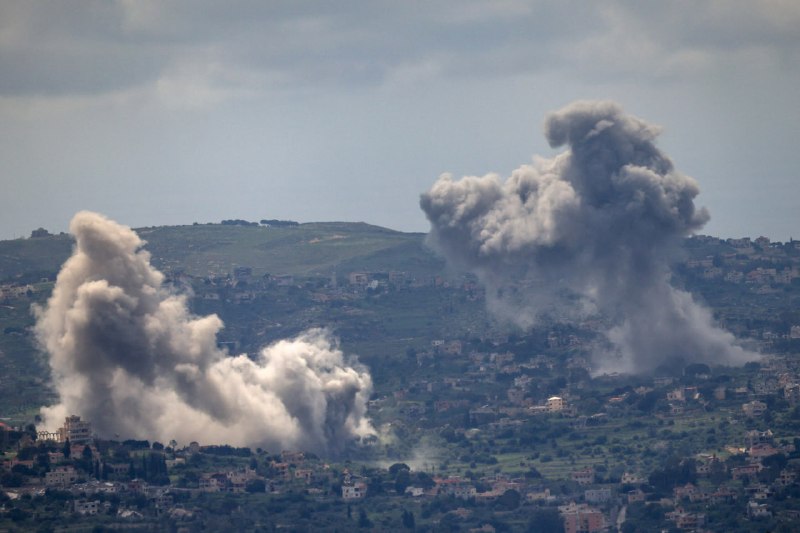
At 20:42 UTC on 29 August 2026, the open-source channel War Front Witnesses posted a brief alert: a wave of Israeli airstrikes hitting southern Lebanon. Within minutes, the same channel added a follow-up noting Israeli artillery fire on the town of Hadatha, and a third post naming two drone strikes on Al Mansouri. The three messages, all timestamped within an hour, sketched the shape of an evening bombardment along the Lebanese border rather than a single, isolated strike.
The pattern matters because southern Lebanon has been the most reliable flashpoint between Israel and Hezbollah since the cross-border war of 2023-24. Saturday night's reports sit inside that established rhythm: short, repeated pulses of fire across a frontier that has rarely gone quiet, broadcast in near real time by monitoring channels that aggregate witness accounts and geolocated footage.
What the evening's reports contain
The first War Front Witnesses post, at 20:42 UTC, described a wave of Israeli airstrikes across southern Lebanon without specifying targets. Less than a minute later, at 20:43 UTC, the channel added that two drone strikes had hit the town of Al Mansouri, also in the south. A third post, at 21:14 UTC, narrowed onto Hadatha, reporting Israeli artillery fire there. None of the three messages carried casualty figures, identified munitions, or attributed the reporting to the Israeli Defense Forces, Hezbollah, or Lebanese state authorities. The channel's voice is eyewitness-style shorthand, not official communique.
The limited detail is itself worth flagging. Telegram posts of this kind typically reflect unverified frontline reports that harden into confirmed facts only when wire services or the IDF spokesperson reconcile them with operational readouts. Until that reconciliation happens, the counts and target lists are provisional.
The border context the strikes sit inside
The south Lebanon frontier has operated as a low-grade, almost routine, theatre of exchange since the November 2023 ceasefire that paused the open war between Israel and Hezbollah. Under the terms of that arrangement, Hezbollah was meant to withdraw its fighters north of the Litani River, and Israel was meant to wind down its strikes. The implementation has been partial on both sides, and the border has continued to register intermittent fire: airstrikes on villages in the Tyre and Bint Jbeil districts, anti-tank missiles across the Blue Line, periodic flare-ups that the monitoring channels log in real time.
This history is what makes an evening of reported airstrikes on Al Mansouri and Hadatha look, on its face, like the existing pattern rather than an escalation. The threshold for "escalation" in this border is higher than three Telegram posts; it is set by sustained exchanges over days, by the activation of air-defence systems over Israeli cities, or by a casualty event large enough to change the political weather in either Beirut or Jerusalem.
What the available reporting does not specify
Monexus finds that the available source items do not specify the number of strikes, the weapons used, the targets hit, or any casualty count. They do not specify whether Hezbollah returned fire, whether Lebanese state authorities issued a statement, whether the IDF spokesperson confirmed or denied the operations, or whether UNIFIL, the UN peacekeeping force that monitors the Blue Line, commented. Any reading of the evening as either a routine continuation of the post-ceasefire rhythm or the opening of a sharper escalation is therefore interpretive, not sourced.
The honest framing is that three Telegram alerts from one channel do not, on their own, settle whether 29 August marked a quiet night or an inflection point. They confirm activity. They do not confirm scale.
What to watch next
Two markers will clarify which reading holds. First, the IDF's morning-after readout: the spokesperson's daily operational summary typically names strikes in southern Lebanon and gives target categories (Hezbollah infrastructure, weapons storage, operatives). If Saturday night's bombardment appears there with named targets, the operation joins the documented pattern. Second, the Lebanese and Hezbollah counter-statements: if Hezbollah claims responsibility for fire into Israel overnight and the exchange becomes bilateral, the calculus shifts toward the escalation reading. If the south is quiet on the return, the dominant frame stays the post-ceasefire pulse.
For now, the responsible description is what the channel reported when it reported it: airstrikes on southern Lebanon, artillery on Hadatha, drones on Al Mansouri, between roughly 20:42 and 21:14 UTC on 29 August 2026. The rest is speculation the sources do not yet support.
Desk note: Monexus carried the open-source channel's reporting on its face, declined to manufacture casualty figures or named targets the posts did not contain, and flagged the absence of IDF, Lebanese, or UNIFIL corroboration rather than substitute inference for it.
Wire provenance
This editorial synthesis draws on the following public wire/social posts:
- https://t.me/wfwitness/108736
- https://t.me/wfwitness/108737
- https://t.me/wfwitness/108740
- https://t.me/WarMonitors/45390