Sber opens the door to crypto-collateral lending as Russia's new law takes effect
Russia's largest bank says it will accept Bitcoin, Ether and USDT as loan collateral from 1 September, the moment a new federal framework legalises regulated crypto trading. The move crystallises a divergent Russian path to dollar-rail alternatives.
Sber, Russia's largest bank by assets, plans to accept Bitcoin, Ether and USDT as loan collateral starting 1 September 2026, the day a federal framework that legalises regulated crypto trading in the country takes effect. Cointelegraph reported the development on 30 August, citing the bank's stated intention to fold the three largest digital assets into its lending book alongside the digital ruble.
The move is the most concrete signal yet that Moscow intends to build a parallel crypto-finance track for retail and corporate borrowers while the ruble remains partially walled off from Western correspondent banking. If Sber executes, the policy is no longer just an experiment by retail exchanges; it is a balance-sheet decision by a systemically important institution.
What Sber is actually doing
The plan, as reported, is narrow but consequential. Sber will treat Bitcoin, Ether and USDT as eligible collateral when calculating loan-to-value on ruble-denominated credit, under the supervisory perimeter that the new law creates from 1 September. The same Cointelegraph dispatch notes that the bank is simultaneously asking whether the digital ruble has demonstrated sufficient retail demand to justify deeper integration into its deposit and payments products. Cointelegraph reports Sber's posture as cautious on the central-bank digital currency and bullish on private stablecoins and major cryptoassets as balance-sheet inputs.
Monexus analysis: this is a hedging strategy, not a doctrinal embrace. A state-controlled bank opening a crypto-collateral window while publicly questioning the digital ruble signals that management expects client demand to flow first into dollar-pegged instruments and high-cap assets before any retail appetite consolidates around the central bank's token.
The legal calendar
The 1 September effective date is the operative fact. Russia's federal framework for regulated crypto trading does not exist in isolation; it is layered on top of years of sanction-driven settlement work, mining formalisation, and experimental ruble-pegged instruments. Cointelegraph's 30 August coverage ties the Sber product directly to that date, and the bank itself is publicly counting down to it. The implication for borrowers is that, for the first time under Russian law, a systemically important lender is taking legal title to crypto collateral under a regulated regime rather than under bespoke bilateral agreements.
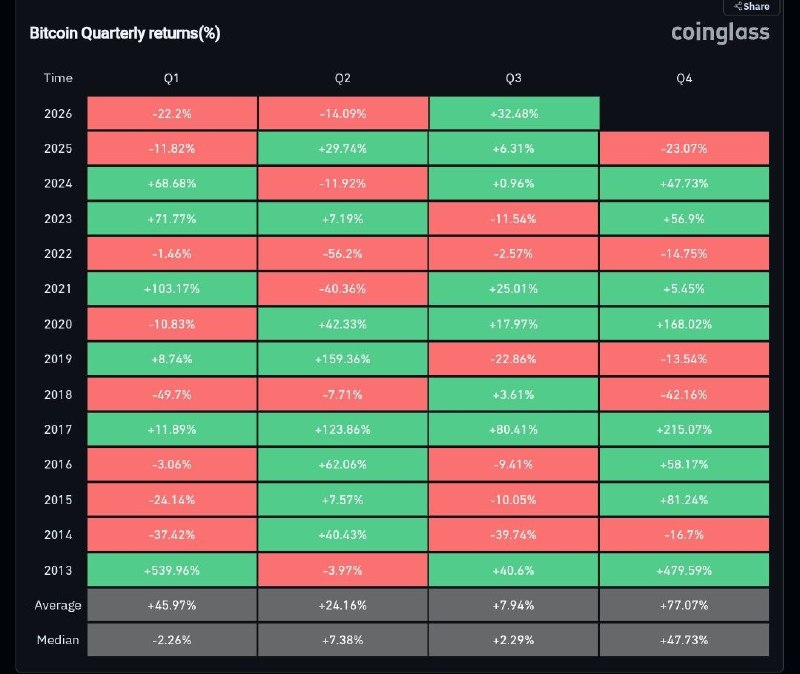
The market backdrop is constructive. Cointelegraph reported on 30 August that Bitcoin is heading for its best August performance since 2017, and a separate 29 August note flagged that US brokerage Robinhood's on-chain total value locked went from zero to $700 million in under a month. Neither data point is causally linked to Sber, but together they describe a global market in which major institutions are publicly migrating balance sheets onto crypto rails at speed.
Why a Russian bank, and why now
Read in isolation, the Sber plan looks like a domestic banking story. Read against the geopolitical ledger, it looks like financial architecture. After eight years of progressively restrictive correspondent access, Russian retail and corporate clients have built demand for dollar-denominated value that the formal banking system cannot intermediate cleanly. Tether, in particular, functions as a de facto dollar substitute on ruble-side balance sheets; Sber's willingness to take USDT as collateral formalises that arrangement rather than competing with it.
Monexus assessment: the political economy is straightforward. State-controlled capital is being directed toward instruments that let the Russian economy transact at dollar-implied prices while bypassing the dollar's payment infrastructure. The digital ruble, by contrast, keeps value inside the domestic payments perimeter. Sber's apparent scepticism about retail demand for the central-bank token, alongside its willingness to lean into USDT, is consistent with that read.
Counterpoint and what remains uncertain
The alternative reading is that Sber is buying optionality. A regulated crypto-collateral product lets the bank serve a cohort of wealthy borrowers already comfortable pledging digital assets, and it gives Sber first-mover positioning if and when the digital ruble gains retail traction. Under that interpretation, the public questioning of the digital ruble is positioning, not conviction.
The available sources do not specify the loan-to-value ratios Sber will apply, the haircuts on USDT versus Bitcoin and Ether, the custody arrangement for pledged assets, or whether the bank will hold collateral directly or route it through a qualified custodian. Each of those operational details will determine whether the product actually clears the risk committee. Watch the bank's published terms on or shortly after 1 September; that filing will reveal whether 30 August was a product launch or a marketing move.
Wire provenance
This editorial synthesis draws on the following public wire/social posts:
- https://cointelegraph.com/news/russia-sber-bank-bitcoin-ether-usdt-crypto-loans
- https://t.me/Cointelegraph/71850
- https://t.me/cointelegraph/71848
- https://t.me/Cointelegraph/71840
- https://t.me/Cointelegraph/71835