US-Iran strikes resume; oil bid, IAEA renews nuclear-site access demand
On 2 September 2026 the US military said it had completed a fresh wave of strikes on Iran and Iran struck back, with Reuters framing the exchange as the end of a lull in the war. Brent and WTI rose nearly one percent and the IAEA used the same day to renew its call for access to Iranian nuclear sites.
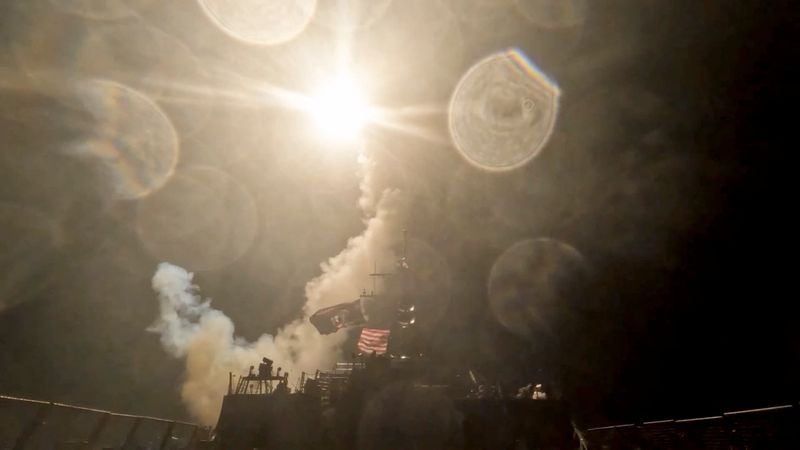
The United States military said on 2 September 2026 that it had completed its latest wave of strikes on Iran, in a brief carried by Reuters at 02:40 UTC (Reuters). Less than an hour later, Reuters filed a follow-up item at 03:00 UTC reporting that Iran had struck back, framing the exchange as the apparent end of a "lull in war" (Reuters). Crude markets priced the headline almost in real time: Investing.com recorded oil up nearly one percent, with the commodities note filed at 01:01 UTC, and a separate US-equity note filed earlier the same morning at 00:14 UTC captured the cross-asset mood as futures traded muted on the strike news alongside rate-cut jitters (Investing.com; Investing.com). Reuters updated the oil tape again later in the day, confirming the gains extended as the exchange continued (Reuters).
The single-day sequence reopens two parallel tracks. One is kinetic: Washington said strikes were complete, then Iran returned fire in what Reuters described as the first significant tit-for-tat since the lull took hold. The other is the non-proliferation track: the International Atomic Energy Agency, per Al Jazeera English's verified channel, used the same day to renew its demand for access to Iranian nuclear sites over proliferation concerns (Al Jazeera English). Both tracks moved on the same 24-hour window, and the market signal is that traders believe the de-escalation period has ended.
The strike exchange as the wires reported it
The Reuters framing was procedural. The 02:40 UTC item reported the US military statement that strikes were "completed" without elaborating on target packages, munition counts, or damage assessment (Reuters). The 03:00 UTC follow-up framed the round-trip as the end of a lull rather than a fresh escalation from a cold start (Reuters). The by-the-hour cadence of the two filings is itself a marker of an active newsroom, not a post-event synthesis.
The Iranian response, also per Reuters, was confirmed in direction but the available items do not specify weapon type, target geography inside any third country, or claimed effect. The Reuters item does not name specific Iranian targets struck, nor does it specify which categories of US or partner assets were hit. Investors reading the wire have the shape of the exchange but not its full anatomy.
Oil priced the headline, equities did not
The cross-asset reaction is the clearest read on how the market interprets the news. Oil up nearly one percent (Investing.com), with a later Reuters confirmation that gains extended through the session (Reuters); US equity futures muted, with rate-cut jitters competing with the strike headline for trader attention (Investing.com). The pattern, equities flat, oil bid, is the canonical risk-off-with-energy-premium signature that Gulf shocks tend to produce, though the magnitude here, around one percent on the headline, sits well below the multi-percent spike that follows confirmed chokepoint damage.
Monexus analysis: the muted price response is itself the data. A market that has seen this script before does not panic on the first headline; it waits for confirmation that the exchange is sustained rather than a single overnight burst. The next 48 to 72 hours of follow-on reporting, on damage assessment, target geography, and any Iranian follow-up action, will determine whether the one-percent move extends or fades. Monexus expects traders to remain cautious until at least one of three things arrives: a Pentagon read-out with target specifics, an independent satellite or signals-based damage assessment, or an IAEA-led diplomatic update.
The IAEA's parallel pressure
While the strike exchange was being reported, the IAEA used the day to publicly restate its proliferation concerns and its request for access to Iranian nuclear sites, in a brief carried by Al Jazeera English's verified Telegram channel at 05:07 UTC (Al Jazeera English). The body's standing demand, renewed in public, sits one news cycle away from the strike headlines. The two tracks are not the same operation, but they landed on the same 24-hour window.
Monexus analysis: the structural reading is that the non-proliferation question has not gone away just because the air war resumed. A regime under bombardment has fewer reasons, not more, to grant inspectors access, which means the IAEA's public pressure is unlikely to be answered in the short term. What the agency is buying by speaking now is a diplomatic record that the request stands, regardless of which way the air war goes next. The market implication is that any meaningful nuclear-related concession, if it comes at all, will come after the kinetic phase de-escalates, not during it.
What remains contested and unverified
The single largest gap in the available record is damage assessment on both sides. The US military, as quoted by Reuters, said strikes were "completed" but the item does not specify target locations, munition counts, or claimed effect (Reuters). The Iranian response, also per Reuters, was confirmed in direction but the wire item does not specify the geography, the weapon type, or the claimed damage (Reuters). The wire's restraint on specifics is consistent with how Gulf-theatre exchanges are typically reported in the first hours, when independent confirmation from satellite, signals intelligence, or on-the-ground journalism is still being assembled.
The market interpretation is similarly thin. A one-percent oil move on a US-Iran exchange can mean traders believe the exchange is contained, or it can mean liquidity was thin and the move will be unwound. The available source items do not specify which reading is correct. The forward calendar to watch, beyond the immediate retaliation question, is whether the IAEA inspection request produces any Iranian response, public or private, before the next UN Security Council quarterly on Iran lands. That date, and whether the inspectors are in or out by then, will tell the market whether the diplomatic lane is still alive.
Desk note: Monexus has carried the wire's bare exchange framing without embellishment, on the principle that the first hours of a US-Iran strike cycle are precisely when restraint earns authority. Where the analysis extends beyond what the source items specify, it has been labelled in place as Monexus analysis. The Investing.com US-equity note filed at 00:14 UTC preceded the 01:01 UTC commodities note on the same morning; both reflect cross-asset pricing during the strike news cycle.
Wire provenance
This editorial synthesis draws on the following public wire/social posts:
- https://reut.rs/4667byb
- https://reut.rs/4gyK9Go
- https://reut.rs/4xAGe1L
- https://t.me/aljazeeraglobal/140330
- https://www.investing.com/news/commodities-news/us-military-says-it-completed-latest-wave-of-strikes-on-iran-4885259
- https://www.investing.com/news/commodities-news/oil-up-nearly-1-as-us-and-iran-trade-fresh-strikes-4885234
- https://www.investing.com/news/stock-market-news/us-futures-muted-as-markets-parse-rate-jitters-more-iran-strikes-4885211
- https://reut.rs/4667byb
- https://reut.rs/4gyK9Go
- https://reut.rs/4xAGe1L
- https://t.me/aljazeeraglobal/140330
- https://www.investing.com/news/commodities-news/us-military-says-it-completed-latest-wave-of-strikes-on-iran-4885259
- https://www.investing.com/news/commodities-news/oil-up-nearly-1-as-us-and-iran-trade-fresh-strikes-4885234
- https://www.investing.com/news/stock-market-news/us-futures-muted-as-markets-parse-rate-jitters-more-iran-strikes-4885211