Duncan Sheik, songwriter of 'Barely Breathing' and Tony-winning 'Spring Awakening' score, dies at 56
The composer behind the 1996 single 'Barely Breathing' and the Tony-winning score for Broadway's Spring Awakening has died at 56, according to notices published on 18 September 2026.
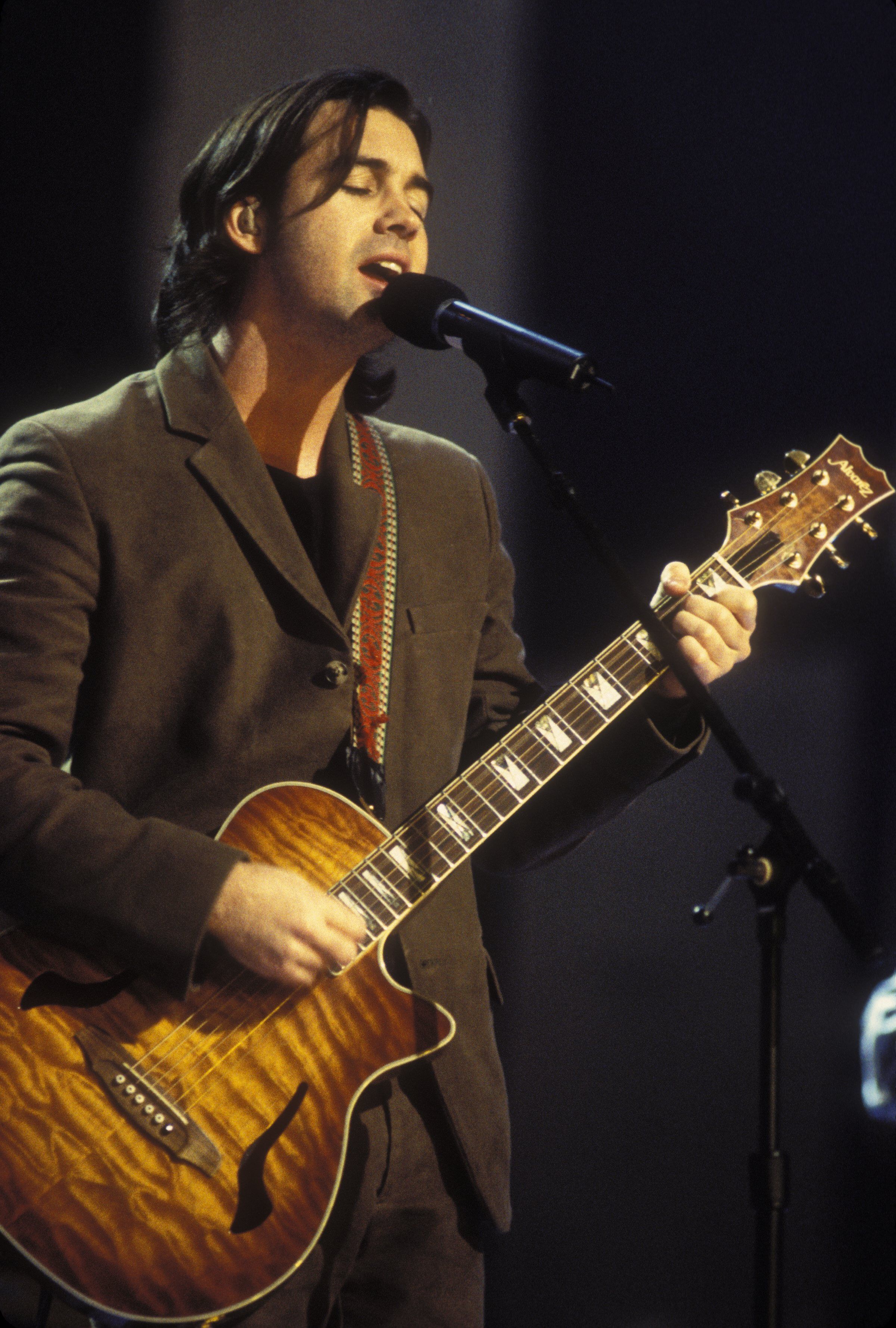
Duncan Sheik, the songwriter best known for his 1996 single "Barely Breathing" and for composing the score of the long-running Broadway musical Spring Awakening, died at 56. Variety and Pitchfork published notices on 18 September 2026, with Variety citing The New York Times as the originating report. The news landed in a way that mirrored his own catalogue: a quiet statement, then the weight of a much longer story.
Sheik's career belonged to two formats at once, and the obituaries frame both halves as defining. Pop radio carried him in the late 1990s; Broadway carried him in the late 2000s and beyond. What he leaves behind is the unusual shape of a single writer's name attached to two very different kinds of success.
The late-1990s pop half
Both Variety and Pitchfork identify "Barely Breathing," released in 1996, as the song that made his commercial reputation. Variety places the single within Sheik's late-1990s pop output and credits him with the song; Pitchfork echoes that framing. The melody, by both accounts, is the artefact that radio could not shake. The structural details of that success, including any specific chart peak, are not stated in the wire items this article is built on, and Monexus analysis: it is reasonable to treat the song's "hit" status as the part of the historical record that survives, while the specific chart figures are not asserted here.
The Broadway half
The second half of Sheik's reputation sits with Spring Awakening, which both obituaries describe as a long-running Broadway stage musical. The Variety notice frames him as the "Stage Composer" of the work in its headline, and Pitchfork calls the show a defining credit. Spring Awakening is, in the words of both wire items, the work for which Sheik won a Tony Award, with the Pitchfork notice explicitly using the phrase "Tony-winning." The specific category, the number of other Tony wins, and the names of any co-authors are not contained in the source items available to this article, and are therefore not asserted here.
Two formats, one writer
Read together, the two halves of the obituary describe a writer who worked across the divide that usually separates pop songwriters from stage composers. Pop rewards the four-minute single and the repeated hook; musical theatre rewards the sustained harmonic argument across a full evening. Monexus analysis: the structural interest of Sheik's career is that the same craft, an ear for restraint on a held chord, sat comfortably inside both economies. That observation is editorial inference drawn from the framing of both wire obituaries, not a quotation from either.
A caution: the obituaries do not overlap on every detail, and the source items this article is built on are limited to what Variety and Pitchfork published on 18 September 2026. Any fuller accounting of his discography, his collaborators, or his later stage projects would require sourcing beyond the thread items available here.
Cause of death, and what the wires do say
Monexus analysis: the most careful reading of the source items matters here, because the wire notices diverge on what is and is not specified. Variety, in the excerpt available to this article, states that The New York Times reported Sheik's death was confirmed by his mother and that he died of organ failure; that detail is part of the Variety wire's reporting. The Pitchfork notice, by contrast, does not add those specifics in the excerpt available. The article therefore treats the cause of death as reported in the originating Times story as relayed by Variety, while noting that the Pitchfork notice available to Monexus does not contain the same specifics.
The question of who survives him is also unevenly reported in the available items: Variety's excerpt names his mother as the confirmer of the death, which establishes at least one family member on the record. A fuller survivor list, and any detail about funeral or memorial arrangements, is not contained in the wire items this article is built on, and Monexus does not assert one.
Desk note: Monexus frames Sheik's death the way the wires do, as the closing of a career that bridged pop songwriting and Broadway composition. This first-day notice limits itself to what the Variety and Pitchfork obituaries, both dated 18 September 2026, actually state; further biographical detail, including chart figures, co-author credits, and the full tally of Tony categories, would require sourcing beyond the thread items available at filing time.
Wire provenance
This editorial synthesis draws on the following public wire/social posts:
- https://ift.tt/52fw7Jk
- https://variety.com/2026/music/obituaries-people-news/duncan-sheik-dead-spring-awakening-barely-breathing-1236866792/
- https://pitchfork.com/story/duncan-sheik-dies-at-56/