Trump floats Iran concessions as Tehran signals pessimism: five wires, two reads
Five relays carried between 16:28 and 17:11 UTC on 28 September 2026 describe a US offer of sanctions relief and the release of frozen Iranian funds in exchange for "concrete progress" on the nuclear file, while a parallel Bloomberg dispatch says Iranian officials are pessimistic about a deal before the US midterm elections. The gap between the two framings is the story.
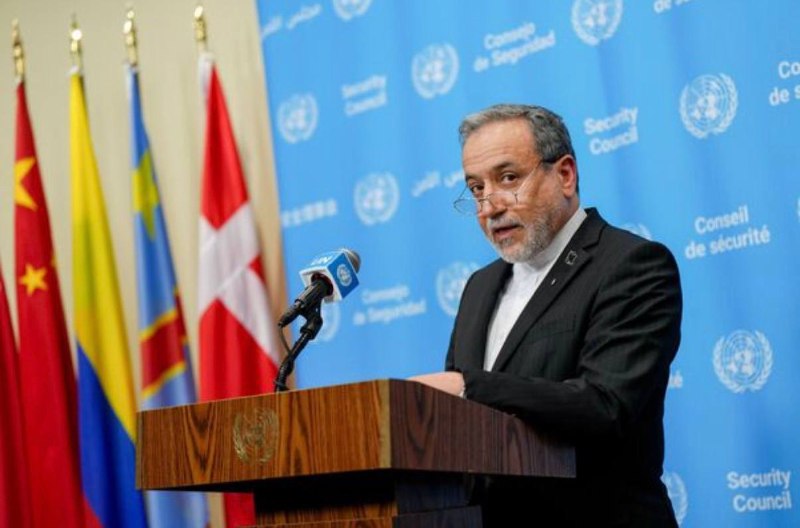
At 16:28 UTC on 28 September 2026, a US official told Axios's Barak Ravid that President Donald Trump is willing to offer Iran sanctions relief and the release of frozen Iranian funds in exchange for "concrete progress" on the nuclear file. Between 16:42 and 16:48 UTC, a CNN report on the same offer was relayed twice, by insiderpaper and Clash Report. By 17:11 UTC, a Bloomberg dispatch relayed by wfwitness reported the opposite read from the other end of the same negotiation: Iranian officials are pessimistic about reaching a deal with the US before midterm elections and see a high probability of the conflict re-escalating afterwards. Five relays, carried across a 43-minute window on 28 September 2026 from three wire origins (Axios, CNN, Bloomberg), describe the same conversation in tonally opposite ways. Reading them in sequence is the closest thing to a real-time picture of how far apart the two governments publicly are.
The substance all five relays agree on is narrow but concrete. The US offer, as Axios and CNN describe it, consists of two instruments, sanctions relief and the unfreezing of Iranian funds, conditioned on progress on the nuclear file rather than a final settlement. The qualifier used by the US official, "concrete progress," is itself a negotiating position: it sets a bar lower than a signed deal while still requiring movement. The Bloomberg dispatch does not dispute the contents of the US package; it disputes the probability that Iran will accept it on the US timeline. That distinction is the one the day's headlines blurred.
What the US side is offering
The CNN report, carried on Telegram by insiderpaper at 16:42 UTC and Clash Report at 16:48 UTC, characterises the offer as concessions in exchange for progress rather than a final settlement. According to the Clash Report relay of CNN, "talks through mediators have been positive and constructive," which establishes that the channel of communication is indirect. The CNN relay does not, in the text available, name which mediators are active or specify the substance of the nuclear steps under discussion. According to Axios, via the Middle East Spectator relay at 16:42 UTC, the package would include sanctions relief and the unfreezing of Iranian funds in exchange for progress on the nuclear file. The Barak Ravid pickup via Clash Report at 16:28 UTC frames the same offer in similar terms, attributing it to a single US official. The Axios relay is chronologically the first of the five items in the available set. The mechanism matters because the choice to speak on the record to reporters via mediators, rather than through a face-to-face channel, lets the White House put the offer into the public record without committing to direct diplomacy.
What Iran is signalling back
The Bloomberg dispatch, relayed at 17:11 UTC, inverts the framing of the US-side leaks. Iranian officials are pessimistic that they will reach a deal with the US before midterm elections, and they believe there is a high chance of the conflict re-escalating after the midterms. The Iranian position, as Bloomberg relays it, is a probability assessment rather than a flat rejection. Monexus analysis: the framing suggests Tehran is calculating that any agreement signed under a Trump administration heading into an election would be politically fragile in Washington, and that waiting out the political calendar gives Iran leverage on the price of a future deal. The Bloomberg dispatch does not specify which Iranian officials it cites or whether the comments were made on the record; the available source items do not specify the Iranian ministry involved. That absence matters because Iranian statements to Western financial wires and Iranian statements to state-aligned outlets often diverge.
The disagreement over what "concrete progress" actually costs
The conceptual gap is over what "concrete progress" buys in this round. On the US side, as the CNN and Axios reports describe it, sanctions relief and unfrozen funds are conditional, reversible concessions tied to verifiable nuclear steps. On the Iranian side, per the Bloomberg read, the same package looks unlikely to clear the political bar at home before the US midterm calendar closes. The five relays agree on the substance of the US offer and on the conditional language; they diverge on the probability of acceptance. CNN and Axios frame the offer as a live negotiating instrument; Bloomberg frames it as one that Iranian officials expect to fail. The available source items do not specify which Iranian ministry or which named official is speaking to Bloomberg; they do not specify whether the US official who spoke to Axios is the same one who spoke to CNN; and they do not specify which mediator channels are currently active.
The midterm window and what comes next
The operational deadline is the US midterm cycle. The Bloomberg dispatch places the Iranian pessimism explicitly against the midterm timeline; the CNN and Axios leaks are notable precisely because they are landing in the same political calendar window. Monexus assessment: the US side appears to be publicly floating a partial deal to shape the political terrain before the vote, while the Iranian side is publicly signalling that partial deals signed under that pressure will not hold. The structural read is that both governments are negotiating primarily with their own domestic audiences and only secondarily with each other. An Iranian acceptance in the run-up to the vote would let the White House claim a foreign-policy win during early voting in several competitive states; an Iranian refusal framed around the midterms gives Tehran a credible public reason to walk away without taking blame. The available source items do not specify the date of the midterm election.
The energy-market implications sit underneath that choreography. Sanctions relief of the scale described, including the unfreezing of Iranian funds held abroad, tends to precede or accompany discussions of oil-export licensing, insurance and shipping-channel access. The available source items do not specify whether oil-market measures are part of the current package, and this publication has not independently established whether the US Treasury's Office of Foreign Assets Control has issued any new general licence in the past 48 hours. Past US-Iran deal cycles have seen energy-side measures announced inside the same 72-hour window as political announcements, but the source items do not establish whether that pattern is operative here.
What the sources disagree about, and what we could not verify
The five relays agree on the substance of the US offer and on the conditional language, "concrete progress." They diverge on the probability of acceptance and on the timeline against which acceptance would be measured. Three gaps in the available reporting will shape how the picture closes or widens over the next 48 hours. The available source items do not specify which Iranian ministry or which named official is speaking to Bloomberg; they do not specify whether the US official who spoke to Axios's Barak Ravid is the same one who spoke to CNN; and they do not specify which mediator channels are currently active. Each of those is a place where the next round of reporting will either confirm the two-track narrative or replace it with a single coherent read. Independent reporting from 26 and 27 September 2026, cited outside the available source set, indicates that Trump had earlier rejected an Iranian proposal and that mediator-led talks were expected to resume, but this publication has not independently corroborated those reports against the five relays in hand.
Desk note: the five relays carried inside a 43-minute window on 28 September 2026, three wire origins and two tonally opposite reads, are an unusually dense sample of competing framings from the same negotiation. Monexus reports the US offer as the US side describes it, the Iranian pessimism as Bloomberg relays it, and treats the gap between them as the story rather than the contents of either claim.
Wire provenance
This editorial synthesis draws on the following public wire/social posts:
- https://t.me/wfwitness/113559
- https://t.me/ClashReport/98778
- https://t.me/insiderpaper/44862
- https://t.me/Middle_East_Spectator/37130
- https://t.me/ClashReport/98776
Follow the event.
These dated source records provide context. They do not retrospectively verify this archive article.
Separate what the nuclear watchdog reported from what it could not determine after the June 2025 strikes.