Starlink tells India its data stays in India; RBI's first hike in nearly four years pulls Nifty 50 down 0.76%
Starlink told Indian regulators on 7 October 2026 that user data generated in India stays in India, hours after the Reserve Bank of India raised its policy rate for the first time in nearly four years and pushed the Nifty 50 down 0.76%.
Starlink has told Indian regulators that user data generated in India stays in India, and that it has built local ground infrastructure to back the claim. The assurance, reported by LiveMint on 7 October 2026 at 10:31 UTC, lands in the middle of a final round of security and licensing scrutiny that has held up commercial satellite-internet launches in the world's most populous country.
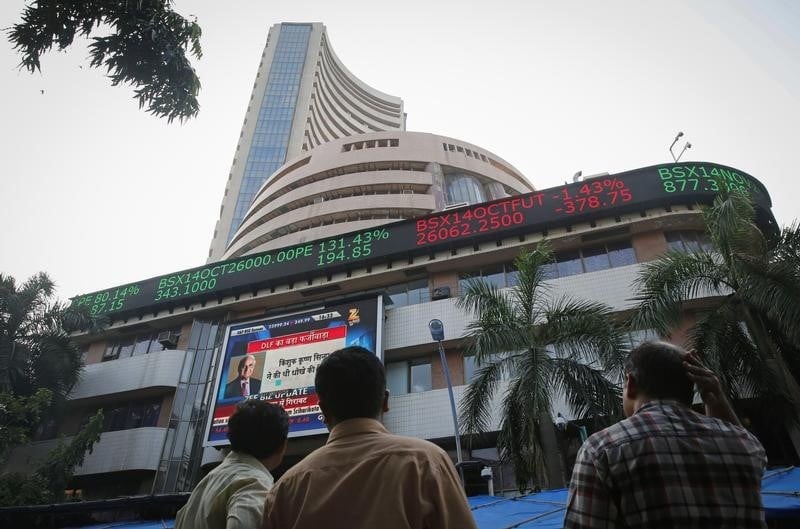
Hours earlier, the Reserve Bank of India did something it had not done in nearly four years: it raised the benchmark policy rate. The 25 basis point hike, reported by Investing.com at 04:36 UTC on 7 October 2026, caught markets wrong-footed. The Nifty 50 closed down 0.76%, per the 10:30 UTC Investing.com market wrap. The two stories are not obviously connected, but they share a setting. New Delhi is signalling, on the same day, that it wants one of the world's most aggressive satellite operators inside its borders, and that it will not soften monetary conditions to do so.
The data-sovereignty pitch
Starlink's pitch to Indian authorities sits inside a familiar post-2020 playbook for digital governance: keep the data at home, run the network from servers under domestic jurisdiction, and let local staff handle the choke points. The exact architecture was not disclosed in the LiveMint report. What the company told the outlet, in summary, is that it has built out infrastructure in-country and that Indian user data does not leave Indian territory. That claim will now be tested by India's security-clearance process before commercial services can begin.
The political logic is straightforward. New Delhi has spent years tightening the rules around cross-border data flows, pushing localisation for payments, mapping, and consumer-internet metadata through a combination of statute, sectoral IT rules, and informal pressure on the platforms. A foreign satellite operator offering residency and local handling is speaking the language the bureaucracy has been waiting to hear.
The harder questions sit elsewhere, and the cited reporting does not resolve them. Spectrum allocation, lawful-interception architecture, retail pricing, and the position of incumbent operators are all unsettled. LiveMint's piece does not specify a timeline for security clearance, and the available source items do not include a date for commercial launch. This article has not independently established those details.
The rate hike, in context
The RBI's move, the first increase in nearly four years per both Investing.com wires (05:45 UTC and 04:36 UTC), reverses a long pause. The 25 basis point step is mechanically small. The signal is larger. The Monetary Policy Committee is telling markets that price stability matters more than loose financial conditions. Indian stocks dipped on the announcement, per the 05:45 UTC Investing.com report, and the Nifty 50 finished the session down 0.76%, per the 10:30 UTC wrap.
The alternative read is that the RBI is being preemptive rather than reactive. A one-off recalibration could be designed to restore real-rate equilibrium without committing to a sustained tightening cycle. The cited thread does not, however, include MPC commentary beyond the rate decision itself, and this article has not independently confirmed the committee's forward guidance.
Monexus analysis: the RBI decision is a policy event the desk can score against the cited reports. Whether it is the start of a sequence or a one-off is a judgment call the cited evidence does not resolve. The market's reaction, a 0.76% Nifty close, is the only firm print on the board, and it points to a negative read from foreign portfolio investors.
Two signals, one capital
Read together, the two stories sketch a New Delhi that is being selective about which foreign capital it courts. Starlink, a foreign satellite operator whose Indian commercial launch has been the subject of regulatory reporting in the cited thread, has offered a data-residency commitment aimed at the security apparatus. Foreign portfolio investors holding Indian equities get a reminder that the easy money of the recent past may be over and that the central bank will lean against capital outflows.
That pattern reads as consistent with what is visible across the emerging-market playbook since 2022. Monexus analysis: governments that want foreign technology platforms are willing to compromise on price and timing, but not on jurisdiction. Governments that want foreign capital to fund domestic equity markets are willing to offer returns, but not at the cost of currency stability. India is signalling that it will pick which lever to pull in which room, and that foreign counterparties should not assume a single welcome mat.
The data-residency commitment is the prerequisite, not the deal. Until security clearance, spectrum allocation, and a domestic pricing model are settled, Starlink's announcement is a down-payment on a market, not a market entry. The RBI move, by contrast, is a delivered policy event whose interpretation will be argued over for weeks. The cited thread does not, however, specify upcoming inflation release dates or subsequent policy meetings, and this article has not independently confirmed them.
What to watch next
Two open questions sit on the calendar. The RBI's next policy statement will follow its standard schedule, and the market will read any change in tone as a signal that the 7 October hike was either a one-off or the first move in a sequence. On the satellite side, India's security-clearance process for foreign satellite operators does not publish a fixed timeline in the available reporting, and the cited sources do not specify a review window. This article has not independently established a review window, and readers should treat any specific date for commercial launch as unconfirmed until the Department of Telecommunications publishes one.
The risk for investors is that the two stories collide. A tighter-for-longer RBI is not the obvious environment in which to price a new consumer-internet service to India's still-cost-sensitive rural base. Starlink's local data promise solves a regulatory problem, not an affordability one. The available source items do not specify retail pricing for the Indian market, and this article has not independently established whether the company plans to subsidise terminals the way it has in selected other rollouts.
The narrower reading, for now, is that India is running two integration experiments at once: one with global satellite internet, and one with a tighter domestic cost of capital. Neither is finished. Both will be measured by the next set of filings, and not the press releases that introduced them.
Desk note: Monexus read the Starlink residency claim and the RBI rate move as two separate events tied together only by the calendar. The wire's lead was the central bank; the structural lead is the choice New Delhi is making about which foreign capital it wants and on what terms. Monexus analysis: the 04:36 UTC Investing.com wire is a report of the policy decision, not the policy window itself, and the desk's framing reflects that distinction. The cited thread does not include the RBI's own statement, and the article does not paraphrase any first-party RBI language.
Wire provenance
This editorial synthesis draws on the following public wire/social posts:
- https://livemint.com/industry/starlink-india-launch-security-clearance-commercial-services-11791354507240.html
- https://t.me/LiveMint/23051
- https://www.investing.com/news/stock-market-news/india-stocks-lower-at-close-of-trade-nifty-50-down-076-4936092
- https://www.investing.com/news/stock-market-news/india-stocks-dip-after-rbi-hikes-rates-for-first-time-in-nearly-4-yrs-4935616
- https://www.investing.com/news/economy-news/india-raises-policy-rate-by-25-bps-in-first-hike-in-nearly-four-years-4935589
- https://livemint.com/industry/starlink-india-launch-security-clearance-commercial-services-11791354507240.html
- https://t.me/LiveMint/23051
- https://www.investing.com/news/stock-market-news/india-stocks-lower-at-close-of-trade-nifty-50-down-076-4936092
- https://www.investing.com/news/stock-market-news/india-stocks-dip-after-rbi-hikes-rates-for-first-time-in-nearly-4-yrs-4935616
- https://www.investing.com/news/economy-news/india-raises-policy-rate-by-25-bps-in-first-hike-in-nearly-four-years-4935589