Anthropic's IPO and the cost of the AI race
Coverage of Anthropic's IPO filing ranges from a cost-of-the-AI-race headline to a market-patience framing attributed to Firstrade. The six items in this cluster carry few verifiable figures beside those headlines.
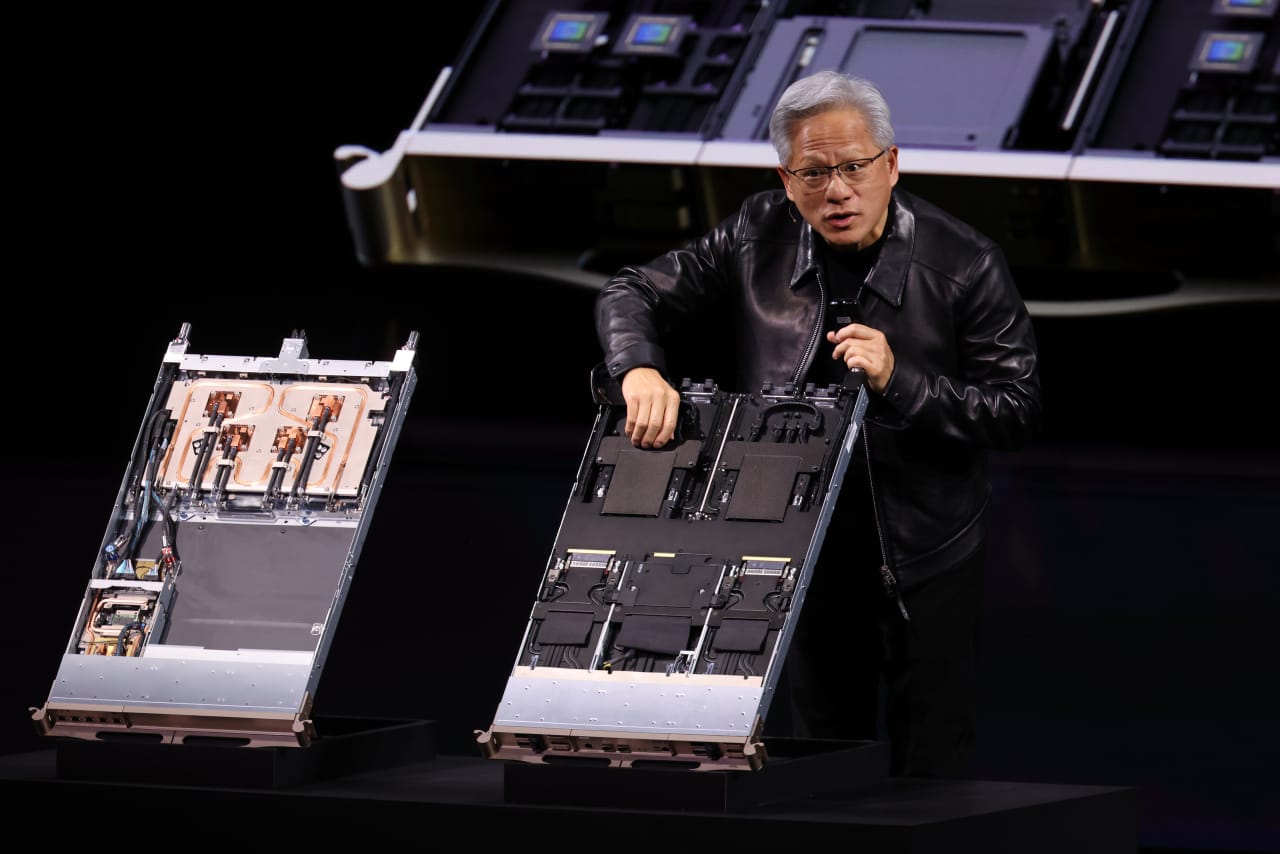
On 26 October 2026, TechCentral published an item under a headline that makes the argument for it: Anthropic's IPO filing lays bare the cost of the AI race. The following day, the same listing was retold through several other frames. Investing.com ran a piece describing the offering as a test of the market's patience for AI growth stories and attributed that view to Firstrade. CNBC framed the offering as a window onto the risky business of artificial intelligence. MarketWatch placed Anthropic inside a story about the U.S. economy gathering steam. One listing, several framings, and a cluster of six items that together carry far fewer verifiable figures than the headlines imply.
The argument here is narrower than the headlines. An IPO filing is a disclosure document, and the six items in this cluster are headlines and short summaries, not the filing text, which this article has not read. What they show is a consistent set of concerns: the cost of pursuing Anthropic's ambitions, insurance gaps tied to a $1.5bn copyright settlement, a list of risks, and a market debate about whether investors will keep paying for growth that is still being funded. Monexus analysis: the cluster points away from the question of whether AI demand exists and toward a narrower one, namely what those costs look like once they are written down in public, and whether a listing will price them before investors have to estimate them.
What the filing put on paper
The TechCentral summary is the most general item in the set. It says the filing sets out Anthropic's ambitions and the cost of pursuing them, at a time when investors are growing wary of the AI boom. The available source items do not specify those costs in figures, so the numbers that would matter most to a valuation sit outside what this article can report.
The Investing.com insurance item is more specific. Its headline says Anthropic flags insurance gaps after a $1.5bn copyright settlement, linking two facts and leaving the reader to connect them. A settlement is a cost already agreed. An insurance gap is a question about how much of the next such cost would land on the company rather than on an insurer. The available source items do not specify the size of the gap, the policies involved, or whether the settlement itself falls inside the gap.
CNBC approaches the subject from the investor side. Its headline says the IPO is giving potential investors some perspective on the risky business of artificial intelligence, and its web address refers to five surprising risks. The available source items do not reproduce that list. Monexus analysis: a list of surprises compiled by a financial outlet is a different document from a company's own risk disclosures, and the cluster gives no way to measure how far the two overlap. Taken together, the three items describe exposures that are legal as well as financial, though only the insurance item names a legal cost.
The patience argument meets the demand data
The Firstrade framing is the most useful for anyone trying to think about pricing. Patience is the right word for an asset priced on a future the present does not yet contain. Read as a headline, the view attributed to Firstrade treats the IPO as a test of whether public-market investors keep paying for AI growth stories once cost and insurance questions appear in a formal filing. The available source items do not set out Firstrade's reasoning about Anthropic's valuation, and this article does not attribute to Firstrade any figure or forecast beyond the headline.
The macro evidence points the other way. MarketWatch's summary says the AI boom shows no sign of easing as Anthropic prepares to go public, and that businesses are buying durable goods. Its headline describes the U.S. economy as gathering steam. If that reading holds, the listing arrives in a demand environment that is still strengthening.
Investing.com's separate item on two AI enablers, whose headline cites growth of 40% or more, points to a broader story. Monexus analysis: if that figure reflects the wider supply chain serving AI developers, the growth thesis extends beyond the model companies themselves. The available source items do not name the two enablers, and the summary does not give the period or base for the growth figure, so the number is a signal rather than a comparable.
Monexus analysis: the two readings make testable claims. If the demand data is right, the market should absorb a disclosed cost base without a sharp repricing. If the patience thesis is right, the disclosures should begin to weigh on valuation as investors net costs against growth. The cluster contains no price action that would settle the question, and this desk does not treat either reading as settled.
The cost line, read as analysis
Monexus analysis: the cost, insurance and risk items describe the same balance sheet from different angles. Anthropic's filing, as summarised, describes what pursuing its ambitions costs. A public listing turns private negotiation into statements that rivals, regulators, customers and plaintiffs can read. That changes the company's position regardless of any single figure. A firm that has to say publicly what it expects to spend, what it may owe and where its insurance stops faces a different kind of scrutiny from one that does not.
Copyright exposure is the most legible example. The insurance headline ties the question to a $1.5bn settlement, which makes copyright risk a concrete cost for this company rather than an abstract category. That is an observation about one firm. The available source items do not address whether other AI developers face similar gaps, and nothing in the cluster allows a comparison of Anthropic's insurance position with its peers.
The alternative reading deserves a fair hearing. On that view, disclosure of cost is the price of admission to a market that is still buying. The insurance gap becomes a line in a risk discussion rather than a warning, and the listing becomes an exercise in pricing demand that MarketWatch's summary describes as still strong. Monexus analysis treats this reading as credible on the cluster's evidence, but it depends on demand holding, which an IPO cannot guarantee.
Monexus analysis, on who carries the risk: investors who buy at listing take on the cost structure as disclosed, gaps included. Existing private holders who sell through an offering could gain liquidity, and the disclosure record will shape the price they receive. Rival developers gain a public reference point for what an AI developer says it spends and risks. Enterprise customers could use the same disclosures to judge a vendor's exposure to legal claims, though the cluster does not show how buyers are reading them. Over a horizon of several quarters, the test is whether the costs described in the filing appear in later reporting at the scale the headlines imply.
What the market will test next
The desk's expectation is that coverage over the coming weeks will move from the product question to the pricing question. That expectation rests on the framing of six items and nothing more. Three developments would test it. First, whether subsequent filings or pricing documents repeat the insurance language with figures attached. Second, whether the momentum MarketWatch describes in durable-goods demand survives the next economic releases, since a cooling backdrop would make growth stories harder to fund. Third, whether the 40% figure for the two enablers holds once their own reporting gives the period and the base.
The cluster is also thinner than the question deserves. This desk worked only from headlines and summaries, so its reading of the costs is a reading of how the coverage characterises the filing, not a reading of the filing itself. The distinction matters because a headline can compress a footnote into a verdict. A reader who wants the figures will need the document, and the items reviewed here do not reproduce it.
What remains unsettled is considerable. The available source items do not specify the filing's financial figures, the terms of the insurance gap, the risks CNBC counted, or the basis for Firstrade's view. Where the items differ, they differ mostly in emphasis: one set reads the listing as a stress test, another as a demand signal. Both readings can be accurate at once, and a reader should be wary of any account that settles the question before the document is read.
The useful question for the next few weeks is which costs the company is willing to put numbers beside, and whether those figures arrive before the market has to price them.
Desk note: Monexus built this piece from six relayed headlines and summaries rather than the filing itself, and read the market commentary as secondary to the cost and risk items.
Wire provenance
This editorial synthesis draws on the following public wire/social posts:
- https://techcentral.co.za/anthropic-ipo-filing-cost-of-ai-race/287673/
- https://www.investing.com/news/stock-market-news/anthropic-flags-insurance-gaps-after-15bn-copyright-settlement-4976493
- https://www.investing.com/news/stock-market-news/anthropic-ipo-a-test-of-markets-patience-for-ai-growth-stories-firstrade-4976583
- https://www.cnbc.com/2026/10/27/anthropic-five-surprising-risks-s1.html
- https://www.marketwatch.com/story/u-s-economy-is-gathering-steam-this-is-the-chief-reason-why-9772978f?mod=mw_rss_topstories
- https://www.investing.com/news/stock-market-news/why-wait-for-anthropics-ipo-here-are-two-ai-enablers-boasting-40-growth-4975938